Accusations against Labour leader Keir Starmer reignite debate over trust, transparency, and the future of democratic confidence in Britain
The UK political landscape has been jolted by fresh controversy after Tommy Robinson publicly accused Keir Starmer of “electoral fraud,” following the abrupt cancellation of four local elections.
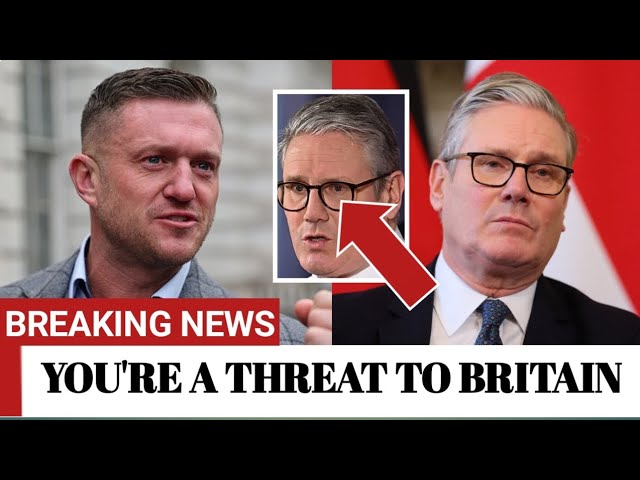
At a moment when public confidence in democratic institutions is already fragile, Robinson’s remarks have struck a nerve, igniting intense debate across social media and political circles. Supporters describe his comments as a warning about democratic erosion, while critics argue the claims risk inflaming mistrust without proof. What is undeniable is that the episode has reopened uncomfortable questions about how elections are managed, explained, and perceived by voters.
A Shock Announcement That Triggered a Political Storm
The controversy centres on the unexpected decision to cancel four local elections, a move that left many citizens confused and frustrated. While officials cited procedural and administrative reasons, the absence of immediate, detailed explanations created space for speculation.
Robinson quickly framed the cancellations not as a technical necessity but as a serious democratic failure. In his view, cancelling elections without clear public justification undermines voter confidence and weakens the integrity of the electoral process.
“This isn’t just about legality,” Robinson said in public remarks. “It’s about how it looks to ordinary people who already feel shut out of politics.”

Allegations That Tap Into a Growing Trust Deficit
Robinson’s use of the term “electoral fraud” has proven particularly explosive. Although no formal evidence has been presented, the accusation resonates with sections of the electorate who already believe political decisions are being made behind closed doors.
Supporters argue that democracy depends not only on lawful procedures but also on public trust and transparency. Online, many echoed the sentiment that cancelling votes without clear communication inevitably raises suspicion.
Critics counter that Robinson is deliberately escalating tensions, warning that such rhetoric risks undermining faith in democratic institutions at a time when stability is needed most.
Starmer and Labour Opt for Silence
So far, Starmer’s camp has largely avoided direct engagement with Robinson’s claims. Representatives for the Labour Party have maintained that all actions taken were lawful and followed established electoral procedures.

Political analysts note that while avoiding confrontation can prevent amplifying controversial voices, silence can also allow alternative narratives to grow unchecked. In a media environment shaped by rapid online discourse, a lack of clear messaging often fuels doubt rather than calming it.
Social Media Becomes the Front Line
As the story spread, social media quickly turned into a battleground. Robinson’s supporters praised him as a truth-teller challenging the political establishment, while opponents accused him of provoking outrage and distorting facts.
Notably, the discussion has moved beyond traditional party politics. Many commentators argue the issue is no longer about left versus right, but about whether citizens can trust that their votes truly matter.
“This isn’t about ideology anymore,” one widely shared post read. “It’s about whether democracy is being respected.”
Why Elections Are Sometimes Cancelled
Experts familiar with UK electoral processes caution against drawing conclusions without context. Election cancellations, while rare, can occur due to boundary reviews, administrative restructuring, legal challenges, or logistical complications.
However, specialists stress that transparency is essential. When authorities fail to clearly explain the reasons behind such decisions, public confidence erodes rapidly. It is precisely this communication gap that allows allegations like Robinson’s to gain traction.
A Wider Question About the Health of Democracy
Beyond the personalities involved, the controversy highlights a broader concern facing modern democracies: the widening gap between political institutions and the public. Trust, once damaged, is difficult to restore.
Analysts warn that even legally justified decisions can have lasting negative effects if they are poorly communicated. In today’s climate, perception often carries as much weight as process.
“Confidence is fragile,” one commentator observed. “When people start doubting elections, the entire system is at risk.”
What Comes Next for UK Politics?
There is no indication that Robinson’s accusations will lead to court cases or formal investigations. Nonetheless, the political impact is already being felt. The episode has reignited debate about accountability, transparency, and how democratic decisions are communicated to the public.
As scrutiny intensifies, pressure is mounting on political leaders to address voter concerns directly and clearly. Whether they succeed may shape public trust not just in this election cycle, but in the long-term health of Britain’s democratic system.
For now, one question remains unresolved: will political leaders move swiftly to rebuild confidence, or will suspicion continue to take root in an already uneasy electorate?