What began as a warm, almost playful holiday message quickly revealed itself as something far more calculated. In an unconventional Christmas address, Prime Minister Mark Carney blended humor, reassurance, and a quiet but unmistakable warning about Canada’s place in an increasingly unstable world. Analysts say the speech was not just seasonal optics, but a strategic signal — to Canadians and to foreign capitals watching closely.

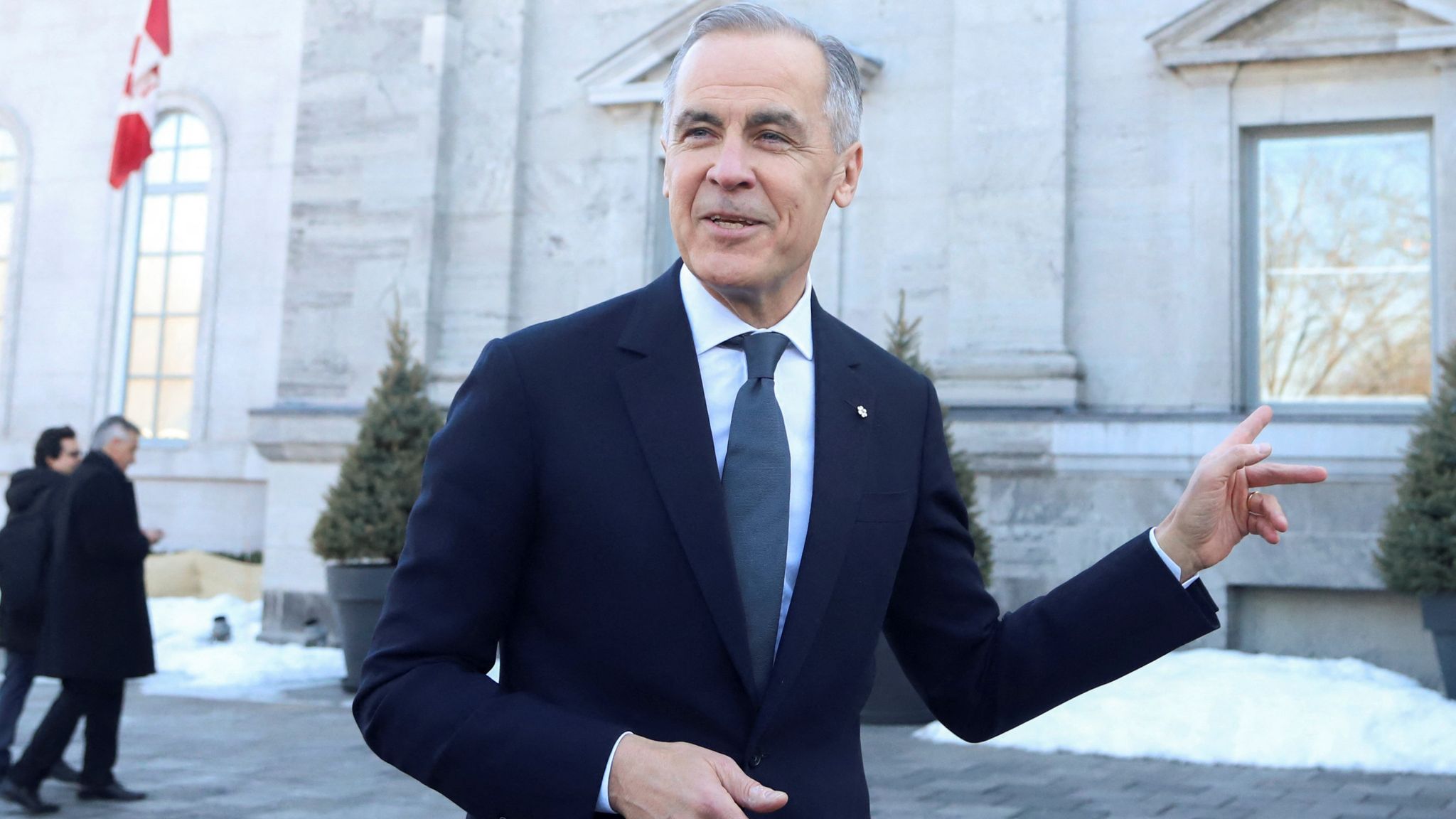
At first glance, Prime Minister Mark Carney’s Christmas message felt disarmingly different. Gone was the rigid podium, the formal cadence, the predictable platitudes. Instead, Canadians were greeted with laughter — an unexpected, human moment delivered within a festive advertisement setting. Carney smiled, joked, and appeared relaxed, a stark contrast to the stiff, ceremonial tone that usually defines national holiday addresses.
That opening mattered.
By breaking form, Carney immediately lowered defenses. Viewers weren’t being spoken at; they were being spoken with. The warmth felt intentional, even strategic — a reminder that leadership, especially in uneasy times, can still sound familiar and grounded.
But the mood didn’t stay light for long.
As the address unfolded, Carney pivoted with subtle precision. Beneath the humor came acknowledgment — of anxiety, division, and uncertainty, both at home and abroad. He did not sugarcoat the moment Canadians are living in. Global instability, fractured alliances, economic pressure, and security concerns were not listed dramatically, but they were unmistakably present in his words.

What made the speech stand out was not what Carney said outright, but what he allowed listeners to infer.
The most striking departure from tradition came when Carney directly addressed Canada’s armed forces. Holiday speeches often thank service members as a formality. Carney went further. His tone sharpened — still calm, but unmistakably firm — as he spoke of sovereignty, readiness, and responsibility. It was not celebratory. It was declarative.
Political analysts immediately recognized the significance.
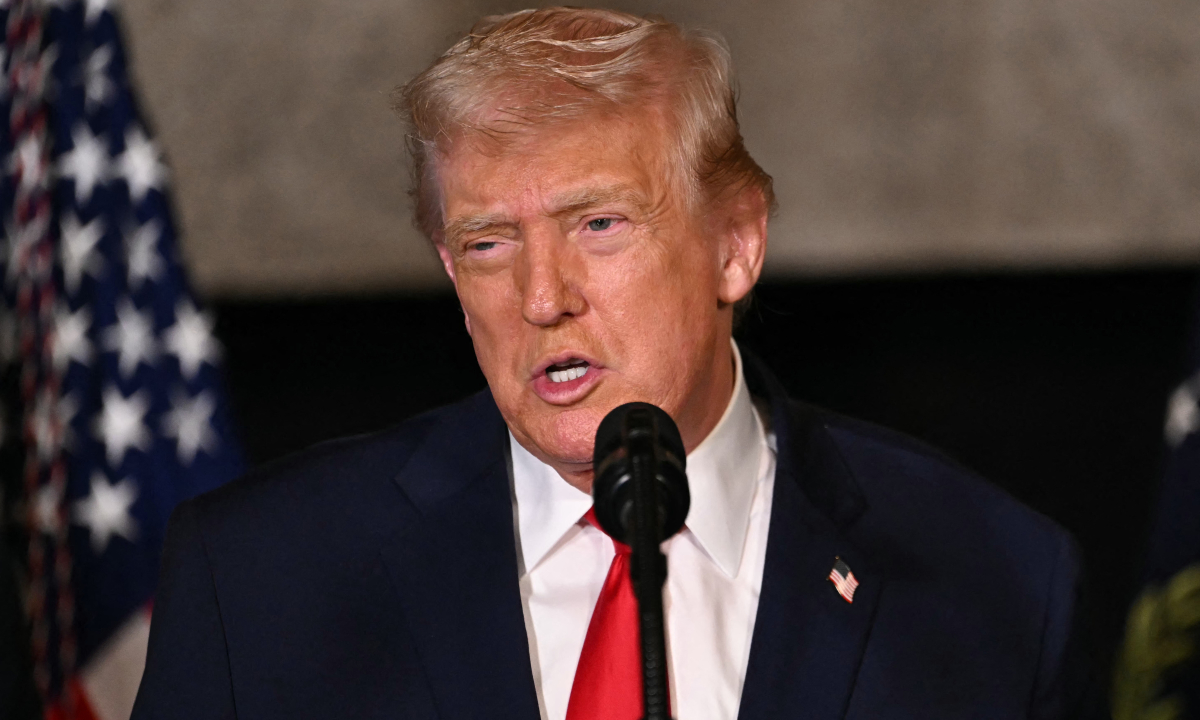
This was not a Christmas greeting alone. It was a signal. A reminder that peace is not passive, and that Canada’s posture on the world stage is changing. Without naming specific threats, Carney invoked the reality of pressure — particularly from the United States, where past rhetoric under former President Donald Trump questioned Canada’s value, leverage, and autonomy.
Notably, Carney never mentioned Trump by name.
That omission was deliberate. By avoiding overt confrontation, Carney elevated the message. Silence became emphasis. The implication was clear: Canada hears the noise, remembers the history, and is preparing accordingly.
In a global political environment dominated by outrage, chest-thumping, and performative defiance, Carney’s restraint felt almost radical. He did not raise his voice. He did not posture. Instead, he projected something rarer — quiet confidence.
Commentators were quick to note the contrast. Where other leaders seek attention through escalation, Carney opted for steadiness. Where fear is often amplified for political gain, he acknowledged unease without inflaming it. The result was a message that reassured Canadians internally while sending a measured warning externally.
Kindness, Carney suggested, is not weakness.
That idea formed the emotional core of the address. Canada, he implied, does not need to abandon its values to defend itself. Calm does not mean complacent. Civility does not mean vulnerability. In reframing strength this way, Carney positioned Canada as a nation that is prepared to defend its interests without abandoning its identity.
For many observers, the speech marked a defining moment in Carney’s leadership. Not flashy. Not loud. But deeply intentional.
This was not a reactive leader responding to crisis. It was a leader setting tone — signaling how Canada will move forward in a world where alliances are less reliable and pressure more overt.
As the holiday season continues, Carney’s words are likely to echo beyond December. They invite debate about Canada’s global role, its relationship with Washington, and how modern leadership should sound in an era of volatility.
What looked like a gentle Christmas message turned out to be something more enduring: a statement of resolve wrapped in warmth.
And for those paying close attention, the message was unmistakable.
Canada is calm.
Canada is kind.
And Canada is watching.