Frozen funds linked to Roman Abramovich move from years of legal limbo to active deployment, signalling a tougher UK stance on Russian-linked wealth
Introduction

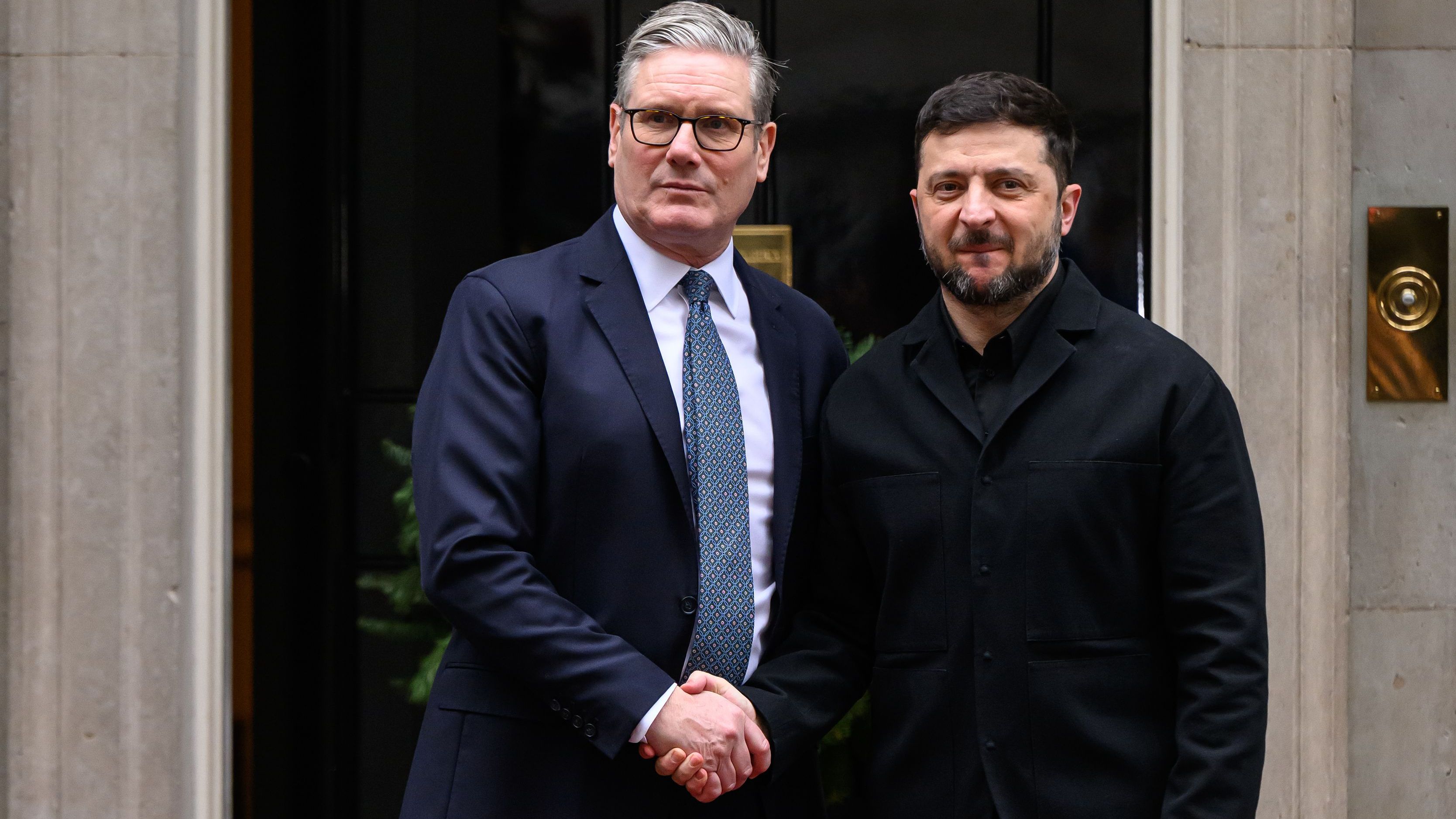
In one of the most consequential sanctions decisions since Russia’s invasion of Ukraine, Keir Starmer has authorised the release of £2.5 billion from the frozen proceeds of Chelsea Football Club’s sale, directing the money toward support for Ukraine.
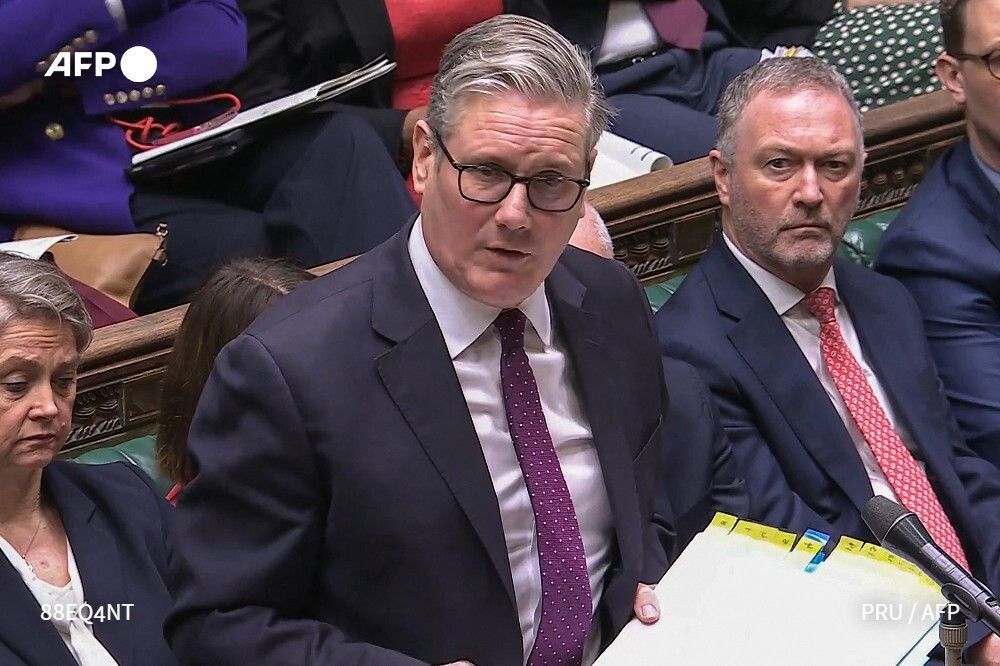
The announcement, made during Prime Minister’s Questions (PMQs), marks a dramatic shift from years of political deadlock to active enforcement. For the first time, funds frozen under UK sanctions are poised to be transformed into direct financial support for a country devastated by war.
PMQs Statement Breaks Years of Stalemate
Speaking in Parliament, Starmer confirmed that the government has granted a licence allowing the release of funds tied to the 2022 sale of Chelsea FC by former owner Roman Abramovich.
The money has remained frozen since the sale, caught in a complex legal and diplomatic stand-off linked to sanctions on Russian oligarchs. Starmer’s intervention shattered that impasse, setting a clear deadline for action rather than further delay.
Warning of Court Action if Funds Are Withheld
In a striking escalation, Starmer made clear that the government is prepared to pursue legal action if the authorised funds are not transferred.
“Every penny must reach those devastated by Putin’s illegal war,” he told MPs, framing the issue not as a bureaucratic dispute but as a moral and legal obligation.
The warning represents a significant change in tone, replacing cautious negotiation with the explicit threat of court enforcement.
A Major Shift in UK Sanctions Policy
Since 2022, Western governments have frozen billions in oligarch-linked assets, but much of that wealth has remained dormant. Starmer’s decision signals a move away from passive freezing toward proactive deployment.
The Chelsea sale funds now stand as a test case for a new UK approach: sanctioned assets will not simply sit idle but may be actively redirected to support reconstruction and humanitarian efforts.
Implications Beyond Football
While the decision centres on Chelsea FC’s sale, its impact stretches far beyond sport. It sends a clear signal to sanctioned individuals that delaying tactics will no longer be tolerated.
By linking oligarch wealth directly to Ukraine’s recovery, the government is closing loopholes that have allowed sanctioned fortunes to remain shielded while conflict continues.

Domestic Political Impact
Domestically, the move carries significant political weight. Announcing the decision during PMQs ensured maximum visibility and reinforced Starmer’s image as a decisive leader willing to confront entrenched financial power.
It also addresses growing public scepticism over whether sanctions deliver real-world consequences. By converting frozen assets into tangible aid, the government aims to restore confidence in the effectiveness of its sanctions regime.
What It Means for Ukraine
For Ukraine, the decision could unlock one of the largest single financial contributions tied to sanctioned assets since the war began. Funds long considered trapped in theory are now set to move from limbo to impact, easing pressure on taxpayers and traditional aid budgets.
If executed in full, the transfer would represent a substantial boost to Ukraine’s reconstruction and resilience efforts.
A Precedent With Global Reach
The ramifications extend well beyond the UK. By combining legal authority with political urgency, Starmer’s government may set a precedent for other countries holding frozen Russian-linked assets.
International observers suggest the move could catalyse a broader rethink of how sanctions are enforced globally, shifting the emphasis from symbolic freezes to measurable outcomes.
What Happens Next
Attention now turns to implementation. Parliament, the courts, and the public will be watching closely to see whether the funds are transferred without further obstruction.
For Abramovich and other sanctioned figures, the message is unambiguous: frozen assets are no longer untouchable. Compliance is expected, and resistance may be met with litigation.
A Defining Moment for Sanctions Enforcement
Starmer’s authorisation of the £2.5 billion transfer marks a defining moment in the UK’s response to Russian-linked wealth. It closes a chapter of uncertainty and opens a new phase of enforcement driven by accountability and urgency.
As the clock ticks, the decision stands as a clear declaration that the era of indefinite delay is over — and that frozen assets may finally be put to work in the service of justice and reconstruction.