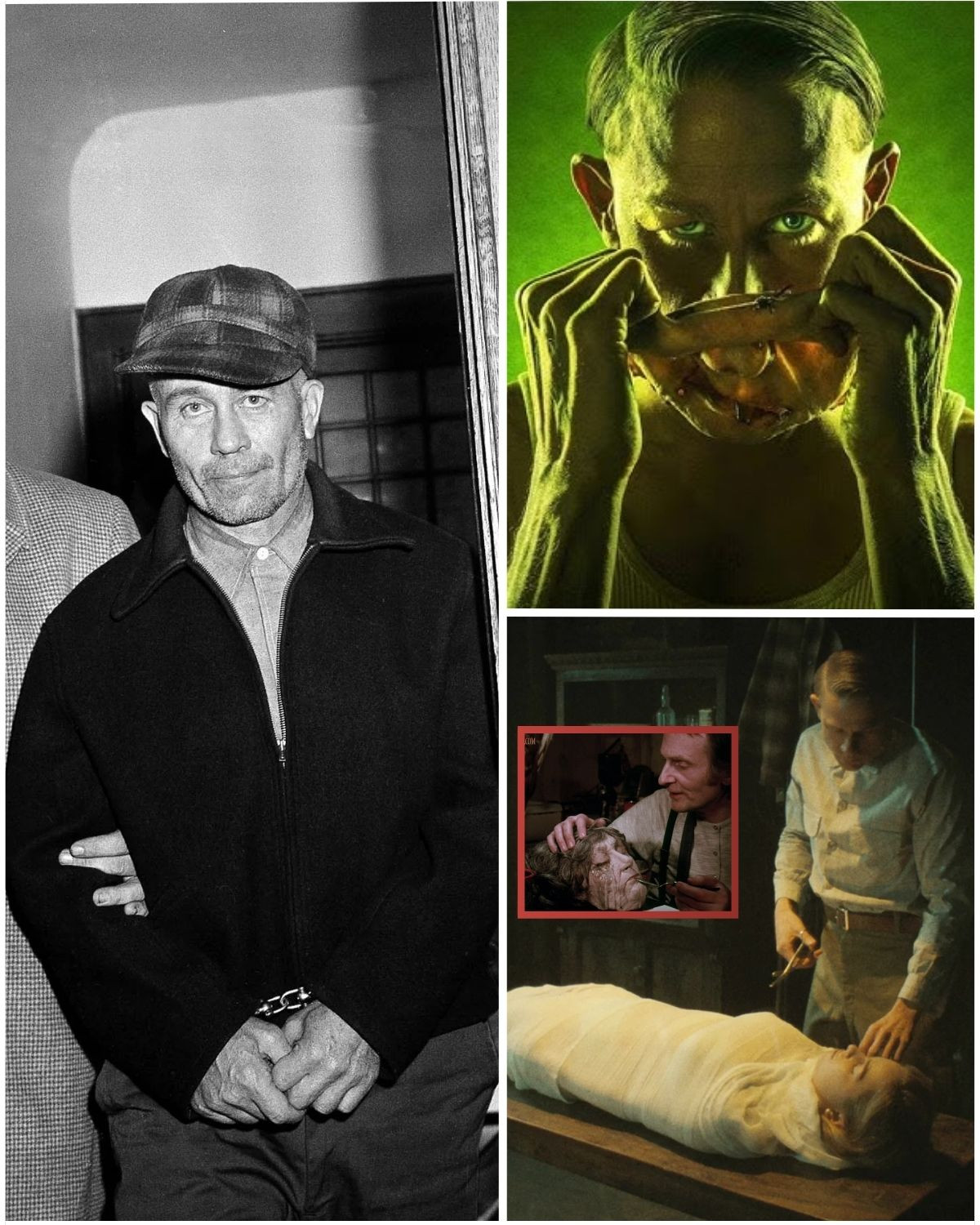
 A new Netflix series claiming to tell the true story of infamous killer Ed Gein has rocketed to the top of the streaming charts, but a leading expert on the case warns the show is riddled with dangerous and sensational fabrications. “Monster: The Ed Gein Story,” the latest true-crime anthology from producer Ryan Murphy, is captivating audiences with its chilling portrayal of the Wisconsin farmer whose 1950s crimes inspired iconic horror films. However, an exclusive interview with the author of the definitive Gein biography reveals the series takes staggering liberties with the facts, inventing relationships, murders, and a legacy that distort history.
 Harold Schechter, author of “Deviant: The Shocking True Story of Ed Gein, the Original Psycho,” states bluntly that approximately 90% of the Netflix series is inaccurate. While the broad outline—Gein’s isolation, his obsession with his mother, and his grave-robbing—is correct, Schechter asserts that the specific narratives woven throughout the eight episodes are largely “pure fabrication.” This dramatization risks cementing a false version of events for a new generation, turning complex, tragic history into Hollywood nightmare fuel.
The series, starring Charlie Hunnam, heavily implies Gein was a prototypical serial killer, a classification Schechter vehemently rejects. “Ed Gein was not a serial killer,” Schechter emphasizes, noting the term was coined for psychopathic sex murderers like Ted Bundy. Gein’s two confirmed murders were, in Schechter’s words, “executions.” He killed hardware store owner Bernice Worden and tavern owner Mary Hogan not for sadistic pleasure, but to acquire raw materials for his macabre projects, driven by a twisted desire to “resurrect” his deceased mother.
One of the most significant fabrications, according to Schechter, is the portrayal of a complex, quasi-romantic relationship between Gein and Bernice Worden, played by Lesley Manville. Schechter confirms the two had almost no relationship beyond Gein being a customer; the poignant storyline of longing and resentment is complete fiction. The Worden family has reportedly expressed distress over this fictionalized portrayal of their relative, a common repercussion of such dramatized true crime.

The invention extends to Gein’s alleged violence toward children and authority figures. Scenes depicting him as a creepy babysitter terrorizing children contradict historical accounts that he related better to children than adults and was seen as a harmless oddity. Furthermore, a shocking scene where an institutionalized Gein murders a nurse in his psychiatric ward is entirely made up. Schechter notes Gein was a model, cheerful patient who lived more comfortably in custody than he ever had on his decrepit farm.
The series also inserts Gein into other infamous crimes with no evidentiary basis. A subplot suggests detectives suspected Gein in the 1953 disappearance of 15-year-old babysitter Evelyn Hartley, a case that remains unsolved. Schechter firmly dismisses this, stating it does not match Gein’s modus operandi. Even more audaciously, the series finale presents a lucid Gein consulting with the FBI on the Ted Bundy case. Schechter calls this “imaginative fantasy,” noting the timelines do not align and the notion is “ridiculous.”

Another invented storyline involves a tragic romance with a waitress and aspiring singer named Adeline Watkins. While a woman of that name existed in Plainfield, Schechter says she was a “publicity hound” who later retracted claims of a relationship with Gein after the media frenzy. The tender, unsettling love story presented on screen bears no resemblance to reality.
The series further distorts history by heavily implying Gein’s brother, Henry, died by Ed’s hand during an argument. While Henry’s death in a brush fire was deemed suspicious, Schechter’s research leads him to believe it was an accident, with no evidence pointing to fratricide. This invention feeds the show’s theme of Gein as a born monster, rather than a product of profound abuse and isolation.

Where the series seeks to create connections, it often misrepresents Gein’s actual cultural impact. While it correctly notes he inspired characters like Norman Bates and Leatherface, it wrongly posits him as a direct inspiration to later serial killers. Schechter doubts figures like Richard Speck or Ted Bundy knew who Gein was. His true legacy, Schechter explains, is subtler: Gein’s case provided the blueprint for the “all-American monster,” shifting horror from foreign castles and laboratories to the heart of the rural Midwest.
“Monster” arrives amidst ongoing debate about the ethics of dramatizing real-life atrocities, balancing entertainment against respect for victims and historical truth. Schechter’s analysis suggests this series has overwhelmingly chosen spectacle over substance. For viewers seeking to understand the real Ed Gein, the expert advice is to take the Netflix portrayal not with a grain of salt, but with “a whole salt shaker full of salt.” The true story, while horrifying, is one of a deeply damaged man whose crimes spawned legends far stranger and more influential than any fictionalized series can capture.