While families across Idaho gather in warmth and light, convicted quadruple murderer Bryan Kohberger spends his first Christmas in a maximum security prison cell, his holiday marked by isolation, complaints, and a single store-bought cookie. The man who admitted to the brutal 2022 killings of four University of Idaho students is learning the stark, unyielding reality of a life sentence.
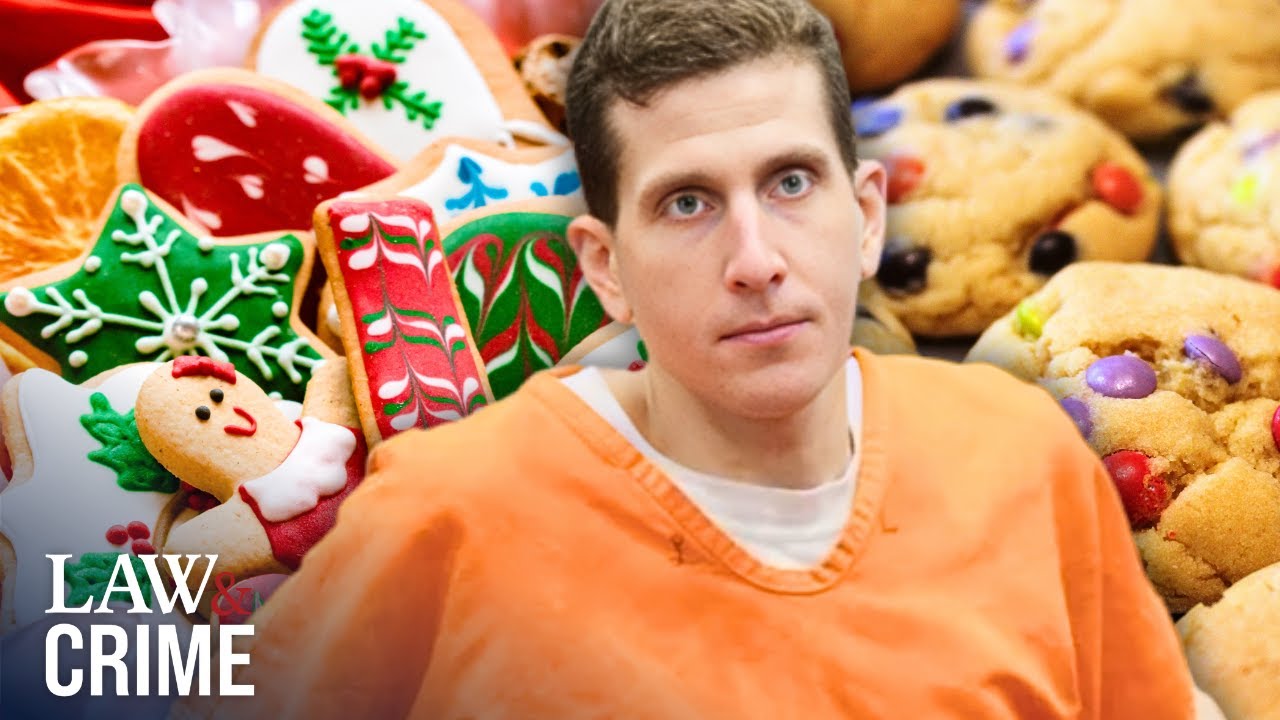 Kohberger, 29, is held in long-term restrictive housing at the Idaho Maximum Security Institution in Kuna, the most isolated custody level within the state’s prison system. A spokesperson for the Idaho Department of Corrections confirms the holidays bring little change to the relentless daily routine. For Kohberger, Christmas Day means 23 hours in a single-person cell, movement only in restraints, and limited contact with the outside world. The sole festive gesture comes from a charity program. “Cookies for Corrections,” run by St. Vincent de Paul, delivers store bought cookies to every state correctional facility. The organization states this “small act of kindness” may be the only humanity shown to incarcerated individuals during the season. The Idaho DOC confirms Kohberger is eligible to receive the treat.
The holiday meal offers a slight variation on standard prison fare. The official menu provided to Law&Crime includes a holiday turkey roast or, for those with dietary restrictions like Kohberger, a holiday vegan stuffed pepper. The meal is served with sides, bread, a pumpkin dessert, and a vitamin beverage. Phone calls for inmates in restrictive housing are severely limited and often not permitted for high-profile individuals, with no special Christmas visits allowed.
 This bleak reality stands in devastating contrast to the third Christmas endured by the families of victims Madison Mogen, Kaylee Goncalves, Xana Kernodle, and Ethan Chapin. Their holidays are forever altered by empty chairs and profound loss. Kohberger’s guilty plea last summer, which spared him the death penalty but required no explanation of his crimes, provided legal resolution but no closure.
Behind the concrete and steel, Kohberger has reportedly become a significant source of frustration for prison staff. Sources indicate he has filed a litany of formal grievances, complaining about food quality, specific dietary portions, and alleged taunting from other inmates. His behavior has required increased staff attention and resources.
Retired homicide detective Chris McDonough, who hosts “The Interview Room” and maintains sources within the prison, provided further insight. “He’s really out there complaining about just about everything,” McDonough stated. He described Kohberger’s housing situation, noting the inmate is kept separate from others during his one hour of daily recreation, often conducted in secured outdoor enclosures, due to safety concerns and the relentless harassment from the general population.

McDonough suggests Kohberger may be struggling to adapt to the harsh social hierarchy of maximum security. “He goes into the prison system thinking… he’s made his mark into the serial killer game, for lack of a better term,” McDonough said, referencing information that Kohberger attempted to communicate with another notorious inmate. This perceived arrogance, coupled with his frequent complaints, has made him a target and an outcast among the prison population.
There are also concerns about Kohberger’s mental state. McDonough reports the inmate has made ambiguous statements to staff about self-harm, forcing officials to evaluate whether he is manipulating the system for preferential treatment or requires psychological intervention. “The question is, is he playing this… like a prison diva, or is he in fact going to harm himself?” McDonough asked.
 The prison’s “JB Block” or Special Housing Unit (SHU) is reserved for the most disruptive or vulnerable inmates. Here, the routine is immutable. Kohberger has reportedly chosen to forgo his limited recreation time entirely, remaining in his cell around the clock out of fear or protest. This means his Christmas, like every other day, is defined by unbroken confinement.
Corrections officials emphasize that the priority is security and order, not comfort. The gestures of the season—a cookie, a modified meal—are minor concessions within an environment designed for permanent punishment. For the families of the victims, this permanent removal of Kohberger from society is the only form of justice they will ever receive.
As the charity’s cookies are distributed, the divide between the world inside and outside the prison walls has never been clearer. One community mourns irreplaceable loss amid the holiday lights, while a solitary inmate, whose actions caused that grief, confronts a forever of concrete, steel, and the consequences of his own brutal choices.