Deep beneath the marble floors of Jerusalem’s Church of the Holy Sepulchre, a discovery has emerged that could alter how the world understands one of Christianity’s most sacred sites. After centuries of tradition, faith, and fierce debate, researchers say they have uncovered what may be the original tomb of Jesus Christ—hidden in plain sight all along.
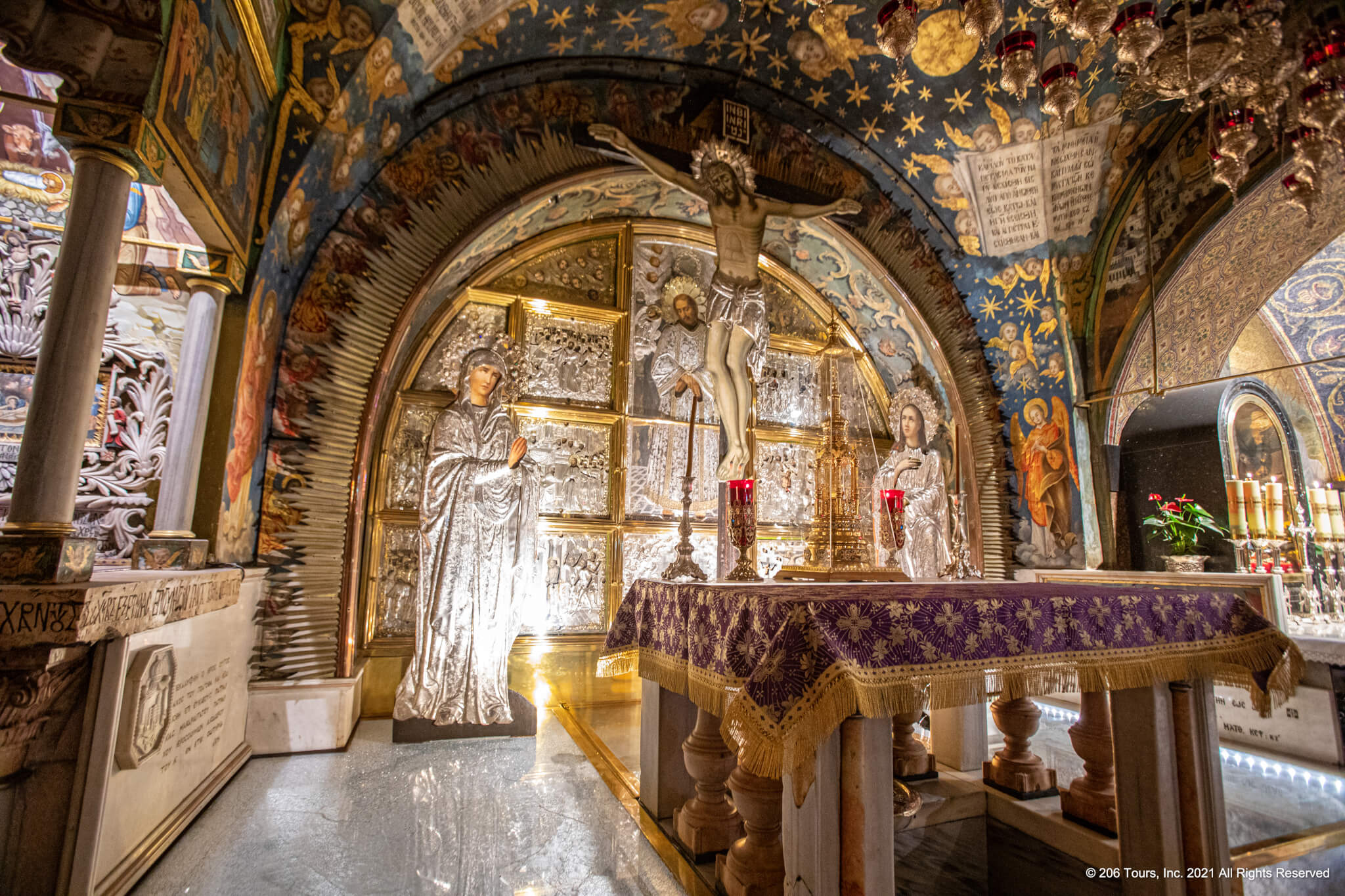
The revelation came after an intense archaeological effort led by scientists from the National Technical University of Athens. On October 26, after more than 60 relentless hours of excavation, the team peeled back layers of marble that had sealed the site since at least 1555. What lay beneath stunned even seasoned experts: a limestone burial bed, carved directly into rock, bearing a faintly etched cross.
“I wasn’t expecting this,” said Frederick Heert, National Geographic’s archaeologist-in-residence, as he stood before the exposed stone. For decades, many scholars believed the original burial surface had been destroyed by centuries of invasions, fires, and reconstructions. Instead, the discovery suggests something remarkable—the location of the tomb may have remained intact for nearly 2,000 years.
The findings didn’t stop at the burial bed. Archaeologists also uncovered sections of ancient limestone cave walls and a rare glimpse of the original rock face. For the first time in centuries, researchers were able to examine the physical stone believed by many to have once held the body of Jesus.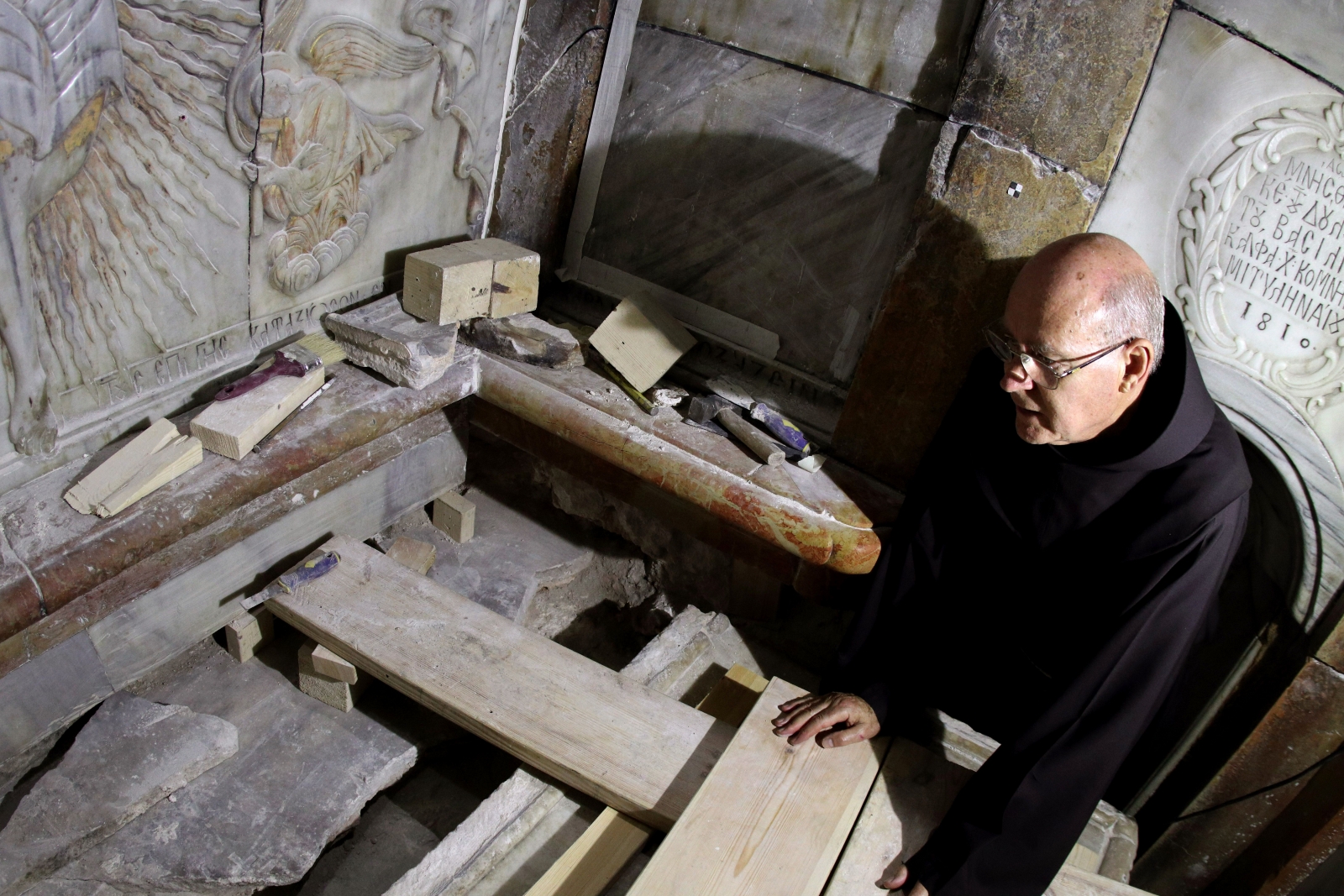
Adding to the shock, scientists identified remnants of a 2,000-year-old garden beneath the church, complete with evidence of olive trees and grapevines. Seeds and pollen preserved in the soil closely match descriptions found in the Gospel of John, which references a garden near the place of crucifixion and burial. What was once dismissed as symbolism may now have a physical counterpart beneath Jerusalem’s most contested holy ground.
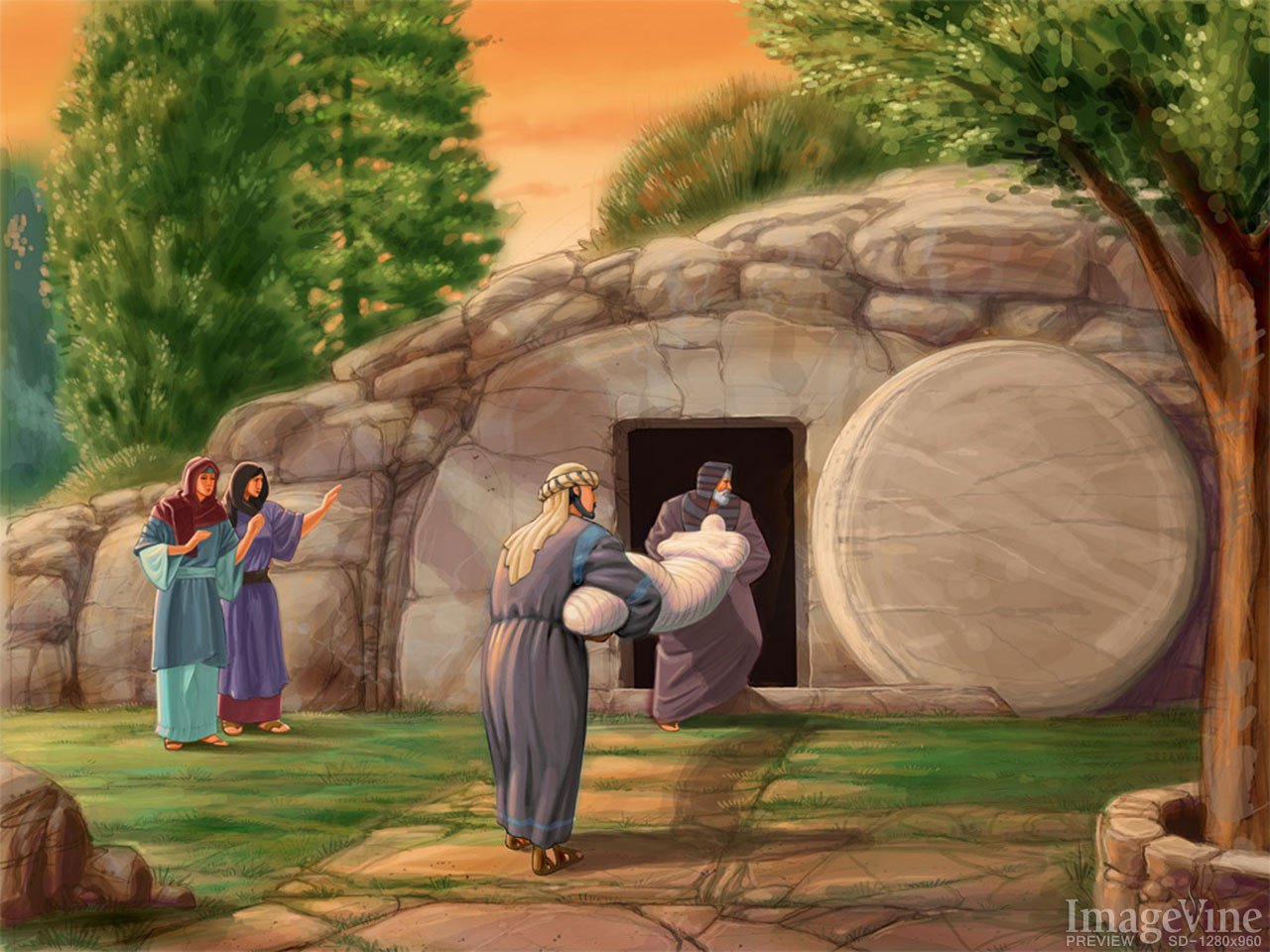
While scholars caution that definitive proof remains elusive, the discoveries closely align with biblical accounts describing a rock-cut tomb owned by Joseph of Arimathea, a wealthy follower of Jesus. The burial customs revealed by the site match known practices of the period, lending new credibility to centuries-old tradition.
For believers, the findings offer a powerful affirmation of faith. For skeptics, they present compelling historical evidence that demands serious consideration. Either way, the discovery blurs the long-standing divide between belief and science.
The tomb has since been resealed beneath its marble covering, potentially for centuries to come. But the impact of what was uncovered will linger far longer. Beneath layers of stone, conflict, and devotion, history has whispered again—reminding the world that some truths endure, even when buried.