For centuries, Queen Hatshepsut stood as one of ancient Egypt’s most enigmatic rulers—a woman who dared to rule as Pharaoh in a world built for men. Now, modern science has reopened her case, and the truth hidden in her DNA is rewriting everything we thought we knew about her life, her health, and her mysterious death.

What began as a routine effort to confirm the identity of Hatshepsut’s long-lost mummy quickly turned into a stunning scientific revelation. Using advanced DNA analysis and CT scans, researchers not only verified that the remains belonged to Egypt’s most powerful female Pharaoh, but also uncovered disturbing evidence of chronic illness, cancer, and a tragic twist of fate.
Born around 1507 BCE, Hatshepsut was the daughter of Pharaoh Thutmose I and raised within Egypt’s royal elite. After the death of her husband, Thutmose II, she initially ruled as regent for her young stepson, Thutmose III. But history shifted when Hatshepsut made a radical move—she crowned herself Pharaoh, adopting male regalia, royal titles, and the full authority of kingship.
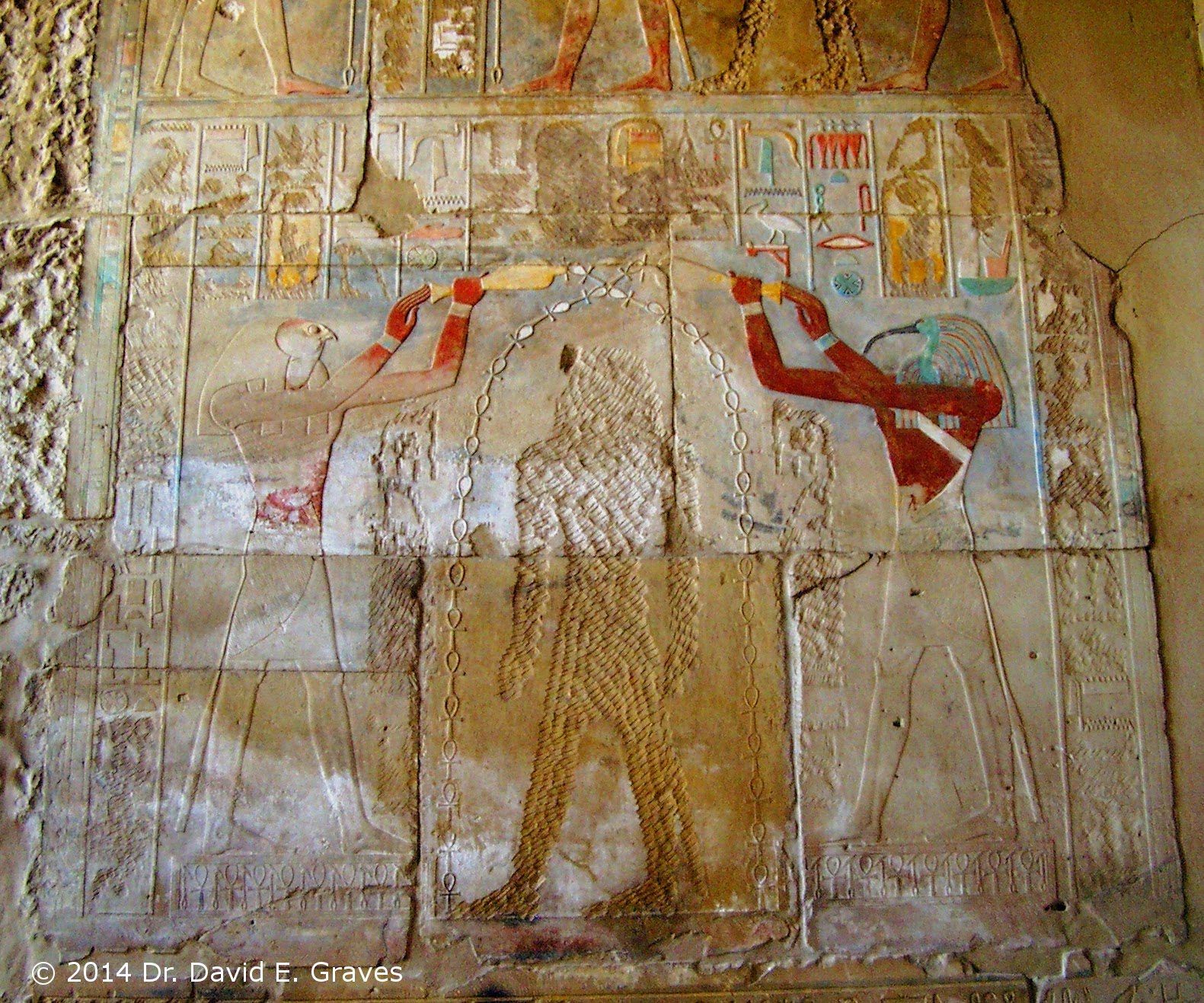
Her reign lasted more than two decades and was marked by peace, economic growth, and ambitious architecture, including the breathtaking mortuary temple at Deir el-Bahari. Yet after her death, her legacy was violently dismantled. Statues were destroyed. Her name was erased. For centuries, it appeared as if Egypt itself had tried to forget her.

The rediscovery of her mummy in the early 20th century revived interest, but only recent scientific analysis delivered definitive answers. Scans revealed that Hatshepsut suffered from metastatic bone cancer, severe dental disease, and signs of obesity—suggesting years of physical pain behind her powerful image.
The most shocking finding, however, lay in a cosmetic jar believed to belong to her. The balm inside contained benzopyrene, a highly carcinogenic substance. What was likely intended as a healing treatment may have slowly poisoned her, accelerating the disease that killed her.
This discovery challenges long-standing theories that Hatshepsut was assassinated or overthrown. Instead, science paints a more tragic and human portrait: a ruler undone not by political enemies, but by illness and unintended self-harm.
Hatshepsut now emerges not just as a symbol of female power, but as a reminder of how fragile even the greatest authority can be. Her DNA has restored what history tried to erase—and in doing so, has transformed a legend into a deeply human story.