A single LNG tanker leaving Canada’s west coast has triggered a seismic shift in North American energy politics. For the first time, Canada is exporting liquefied natural gas directly to Asia—without passing through U.S. pipelines, ports, or regulatory choke points. The move challenges decades of American dominance over continental energy flows and signals a new era of Canadian energy independence. Faster routes, fewer restrictions, and massive private investment are reshaping supply chains, weakening U.S. leverage, and forcing Washington to confront a hard truth: control over energy is no longer assumed—it must be competed for.
For generations, Canada’s energy economy ran south.
Oil, gas, and refined products flowed through American pipelines, ports, and regulatory systems, giving Washington quiet but decisive leverage over its closest ally’s most valuable exports. That arrangement was so entrenched it became invisible—until it broke.
Now, it has.
When a Canadian LNG tanker departed British Columbia bound directly for Asian markets, it did more than carry fuel across the Pacific. It carried a message: Canada no longer needs the United States as its energy gatekeeper.
The shift is historic.
For decades, the U.S. sat astride nearly every major Canadian energy route. Whether through pipeline approvals, port access, or regulatory oversight, American infrastructure shaped how—and where—Canadian energy could move. In practice, that meant leverage. In politics, it meant influence. In trade disputes, it meant pressure.
That leverage has just been weakened.
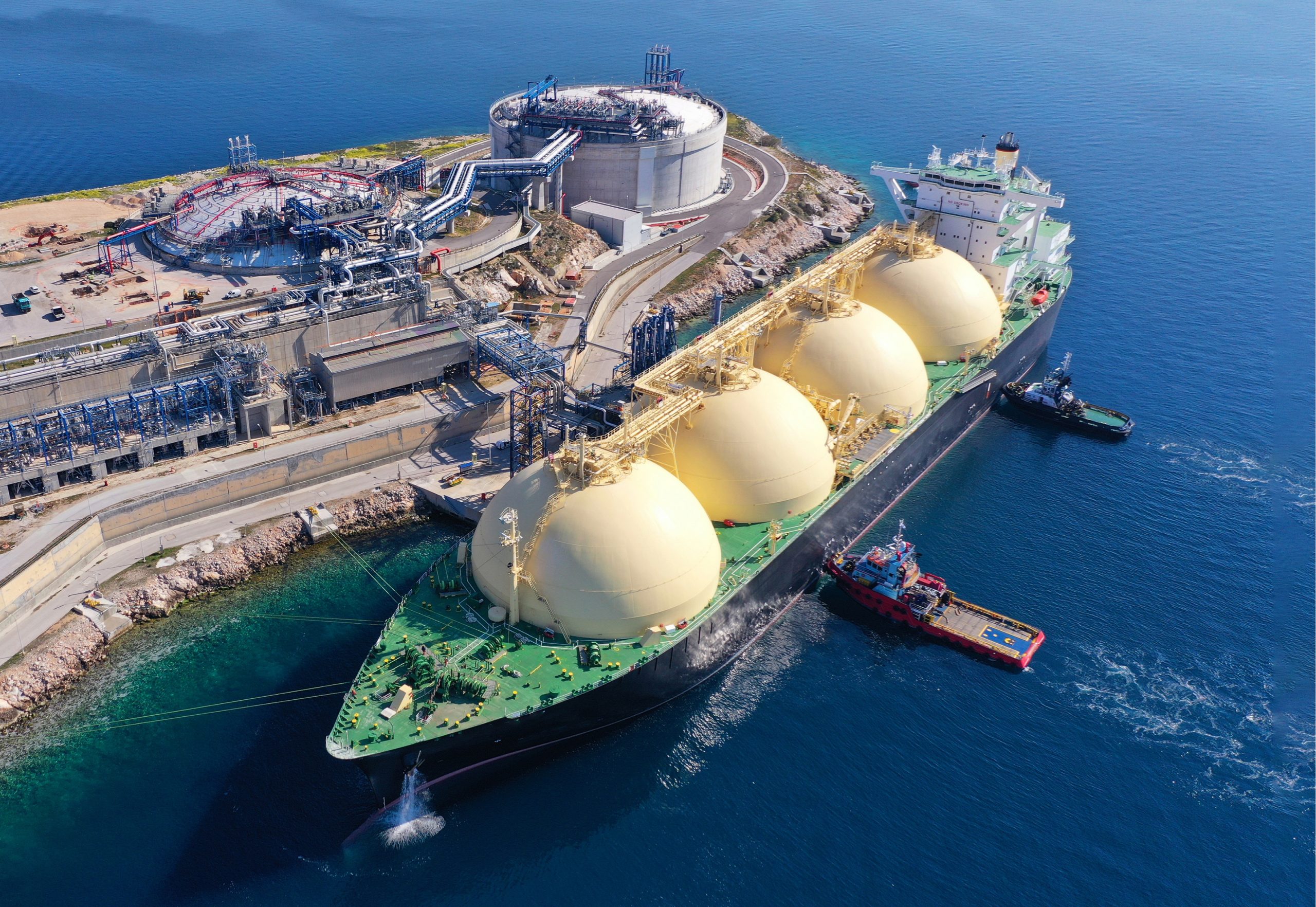
By shipping LNG directly from Canada’s west coast, Ottawa has unlocked a faster, more efficient pathway to Asia—one that cuts travel time nearly in half compared to U.S. exports routed through the Panama Canal. The logistical advantage is immediate. The political implications are deeper.
This is not a symbolic shipment. It is the opening move in what is expected to become the largest private investment project in Canadian history. Multiple global energy companies have already locked in long-term contracts, betting that Canada’s Pacific gateway will become a permanent fixture in global energy markets.
Crucially, Canada has done what the U.S. has struggled to do: simplify.
Ottawa has streamlined approvals, designated key infrastructure as nationally essential, and removed layers of bureaucratic uncertainty that often stall major energy projects south of the border. For investors burned by regulatory reversals and political gridlock elsewhere, Canada’s message is clarity.
The result is optionality—something Canada lacked for decades.
No longer dependent on a single buyer or route, Canadian producers can now send energy east, west, or south depending on price, demand, and geopolitics. That flexibility fundamentally alters negotiations. Tariff threats lose their sting when alternatives exist.
For the United States, the consequences are immediate and uncomfortable.
U.S. refineries that once relied on predictable Canadian crude are now facing tighter competition. Asian and Latin American markets—once peripheral for Canadian energy—are becoming central. The assumption that Canadian supply would always default to American demand is no longer safe.
This is where the geopolitical shift becomes clear.
Energy dominance in the 21st century is no longer just about reserves. It’s about routes. Logistics. Speed. Independence. The U.S. built its energy power on scale and infrastructure, but that infrastructure also created dependencies—dependencies Canada has now begun to escape.
Tariffs, long a favored tool of American leverage, are less effective in this new landscape. When energy can flow around pressure points instead of through them, threats lose credibility. Canada’s ability to absorb trade friction without disrupting exports signals a rebalancing of power.

None of this means the U.S. is suddenly weak.
But it does mean the old assumptions are obsolete.
North American energy politics were built on the idea that geography favored American control. That geography hasn’t changed—but technology, infrastructure, and strategy have. Canada has invested in connectivity. The U.S., by contrast, has often stalled its own projects through internal conflict.
The lesson is stark.
Energy power is no longer inherited. It is earned through adaptability. Those who move fastest—not those who control the past—shape the future.
Canada’s pivot is not anti-American. It is post-dependence. And that distinction matters.
As LNG tankers chart new paths across the Pacific, Washington faces a choice: adapt to a more competitive, multipolar energy system—or cling to leverage that is quietly slipping away.
One ship leaving British Columbia won’t change the world overnight. But it has already changed the rules of the game.