The Pentagon’s growing unease over the Saab JAS39 Gripen has little to do with dogfights or stealth coatings. Instead, the concern runs deeper: the Swedish-made fighter represents a model of military independence that challenges decades of U.S.-centric defense architecture. As countries reassess their reliance on American systems like the F-35, the Gripen is emerging as a symbol of autonomy, resilience, and control. From Canada to other mid-sized powers, the choice of fighter jet is becoming a proxy for a larger question—how much sovereignty nations are willing to trade for technological dominance.

At first glance, the Saab JAS39 Gripen seems like an unlikely source of anxiety inside the Pentagon. It lacks the stealth mystique of the F-35 Lightning II. It doesn’t promise overwhelming technological supremacy. And it doesn’t anchor a sprawling multinational program backed by Washington’s diplomatic weight.
That is precisely the problem.
The Gripen represents a fundamentally different philosophy of air power—one that prioritizes survival, autonomy, and flexibility over centralized control. In an era of growing geopolitical uncertainty, that philosophy is resonating with a widening circle of nations.

Born from Sweden’s Cold War reality, the Gripen was designed for a world where help might not arrive. Swedish planners assumed that air bases could be destroyed, supply chains disrupted, and allies preoccupied. The solution was an aircraft that could operate from short stretches of road, be serviced by small teams, and return to the air quickly—even under attack.
This is not just engineering. It is a worldview.
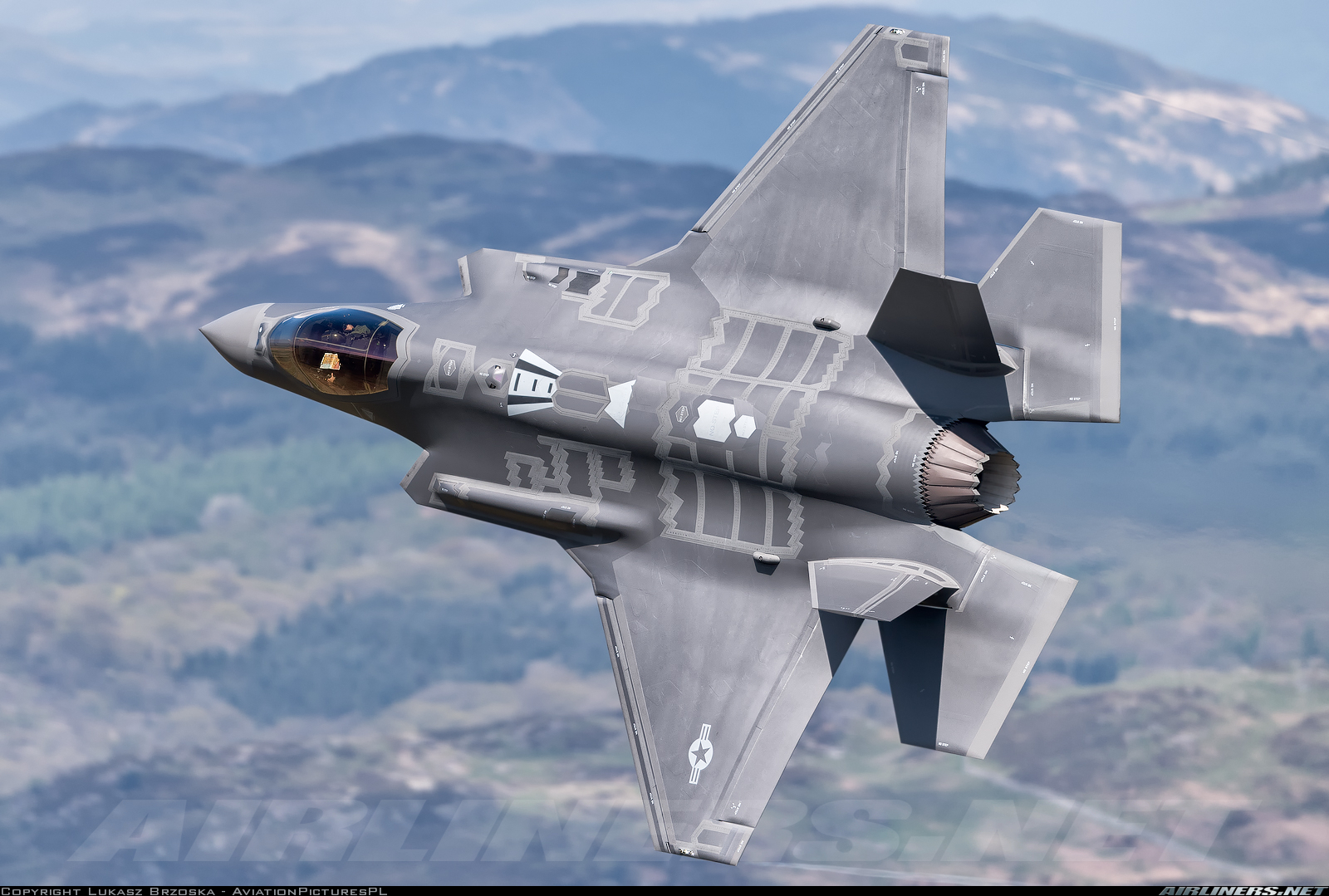
By contrast, advanced platforms like the F-35 embody a different assumption: that power flows through integration. Shared logistics, centralized software updates, complex maintenance systems, and multinational oversight are framed as strengths. They bind allies together—but they also bind them to Washington.
The Gripen quietly loosens that knot.
From the Pentagon’s perspective, the concern is not that the Gripen outperforms U.S. aircraft in combat. It doesn’t. The concern is that it offers countries a viable alternative to dependency. Nations that fly Gripens control their own data, determine their own upgrade paths, and retain greater freedom over how—and when—the aircraft are used.
That autonomy carries strategic weight.
Cost is another fault line. The F-35’s high operating and maintenance expenses have forced many air forces to limit flight hours. Fewer hours mean less training. Less training can erode readiness—especially in prolonged conflicts. The Gripen’s lower costs allow pilots to fly more, train more, and maintain proficiency without budgetary strain.
In modern warfare, sustainability often matters more than peak capability.
This calculus is becoming central in countries like Canada, where the fighter jet debate has evolved beyond performance metrics. At stake is whether national defense remains tightly interwoven with U.S. systems or pivots toward a model that emphasizes sovereignty. The Gripen’s promise of local assembly, domestic maintenance, and meaningful technology transfer makes it particularly attractive to governments seeking long-term control over their military capabilities.
And Canada is not alone.
Across Europe, Asia, and other regions, medium-sized powers are quietly reassessing what “strength” looks like. Advanced technology remains desirable—but not at the cost of operational paralysis if supply lines are cut or political relationships sour.
For Washington, this trend is unsettling. U.S. military influence has long extended beyond hardware into software, logistics, intelligence sharing, and doctrine. Aircraft like the F-35 are not just weapons; they are nodes in an American-led system. When countries choose alternatives like the Gripen, they are not rejecting alliances—but they are reducing leverage.
That subtle shift could have cascading effects.
A world where allies are less tethered to U.S. oversight is a world where coordination requires persuasion rather than assumption. Where influence must be earned repeatedly, not inherited through infrastructure. Where power becomes more distributed—and less predictable.
The Gripen’s rise also challenges a deeper belief embedded in modern defense planning: that technological superiority alone guarantees dominance. In reality, wars are often won by forces that can endure—repair, adapt, and operate under pressure.
Resilience is becoming the new currency of power.
None of this suggests the end of American military leadership. The U.S. still fields unmatched capabilities, global reach, and strategic depth. But it does suggest that the model of unquestioned reliance is eroding.
The Saab JAS39 Gripen is not reshaping global power by force. It is doing so by offering choice.
And in geopolitics, the availability of alternatives is often the first sign that the balance is beginning to shift.