In a move that stunned diplomatic and military circles, Canada has rejected a proposed $20 billion U.S. defense contract, signaling a sharp break from decades of assumed alignment with Washington. Ottawa’s decision to refuse routing critical submarine work through American shipyards is more than a procurement dispute—it reflects a deliberate shift toward strategic autonomy. As Arctic security intensifies and global supply chains grow fragile, Canada is rethinking what alliance truly means. The fallout from this choice is already rippling through NATO and raising an uncomfortable question for the United States: what happens when even its closest allies stop defaulting to “yes”?

For generations, Canada has been seen in Washington as the most reliable of allies—predictable, cooperative, and rarely confrontational. That perception took a decisive hit with Ottawa’s quiet but consequential rejection of a $20 billion U.S. defense proposal tied to submarine construction and maintenance.
The decision, confirmed by senior officials, was not accompanied by fiery rhetoric or diplomatic drama. But make no mistake: it landed like a shockwave.
At the heart of the issue was a U.S. expectation that Canada would route major submarine work through American shipyards, ensuring jobs and contracts south of the border. For Washington, the proposal fit neatly into a long-standing pattern of defense integration. For Ottawa, it increasingly looked like a strategic liability.
Canada’s submarine dilemma has been years in the making. The Victoria-class submarines—purchased decades ago as an interim solution—have become symbols of chronic delay, cost overruns, and operational gaps. Maintenance issues have repeatedly sidelined vessels, limiting Canada’s ability to project a credible naval presence, particularly in the Arctic.
And the Arctic is no longer a peripheral concern.
As climate change opens new sea routes and geopolitical competition intensifies, NATO pressure on Canada to modernize its northern defenses has mounted. Russia and China have increased activity in the region, transforming what was once a remote frontier into a strategic theater. For Canada, submarines are no longer optional—they are essential.

The U.S. proposal was framed as cooperation, but it came with strings attached. Routing work through American shipyards would have tied Canada’s naval capabilities to U.S. political cycles, labor disputes, and shifting trade priorities. In an era where tariffs can appear overnight and defense policy can swing with elections, that dependence began to look risky.
Ottawa’s response was pragmatic rather than provocative.
By declining the deal, Canada signaled that it was unwilling to outsource critical defense capacity to a supply chain it does not control. The move was not anti-American—but it was unmistakably pro-sovereignty. Canadian officials emphasized flexibility, long-term reliability, and the ability to sustain operations without external bottlenecks.
The rejection has opened the door to alternative partnerships. European and other allied suppliers offer advanced submarine technology along with greater technology transfer and domestic industrial participation. For Canada, this means more than new hardware—it means rebuilding national expertise, creating skilled jobs at home, and ensuring that maintenance and upgrades remain under Canadian authority.
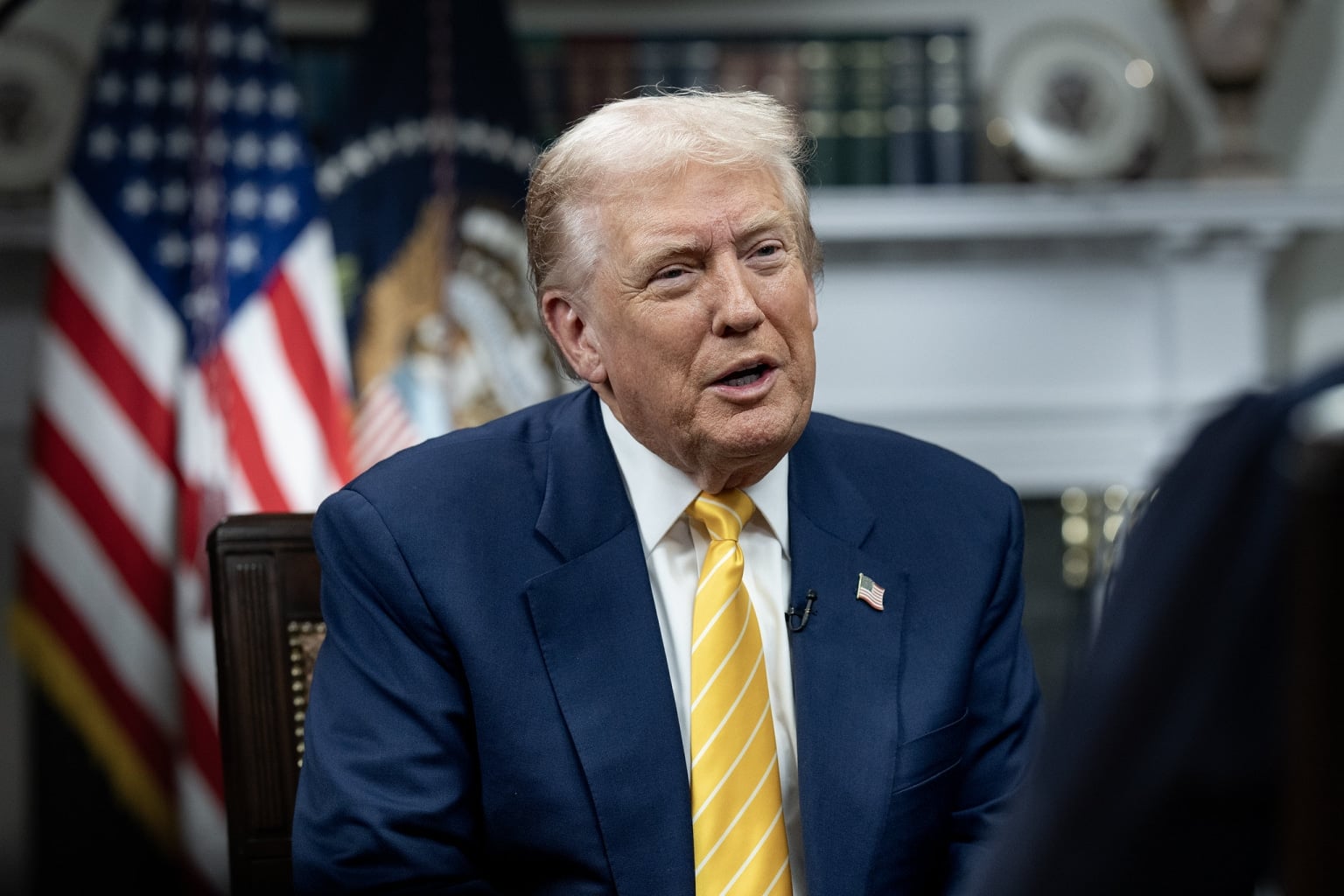
In Washington, reactions have ranged from disappointment to quiet alarm.
Some officials privately questioned Canada’s loyalty, warning that such decisions could strain allied unity. But the deeper concern lies elsewhere. If Canada—long considered the most dependable U.S. defense partner—is willing to walk away from a lucrative American deal, what message does that send to other mid-sized allies?
The precedent is unsettling.
Across the world, nations are reassessing their defense dependencies. Supply chain disruptions, geopolitical volatility, and shifting U.S. priorities have made autonomy more attractive. Canada’s move reinforces a growing belief that alliance does not have to mean submission—and that resilience often requires diversification.
Importantly, Ottawa has been careful not to frame its decision as a rupture. Canada remains committed to NATO, NORAD, and collective security. What is changing is the definition of partnership. Cooperation, Canadian leaders argue, should be balanced—not built on automatic deference.
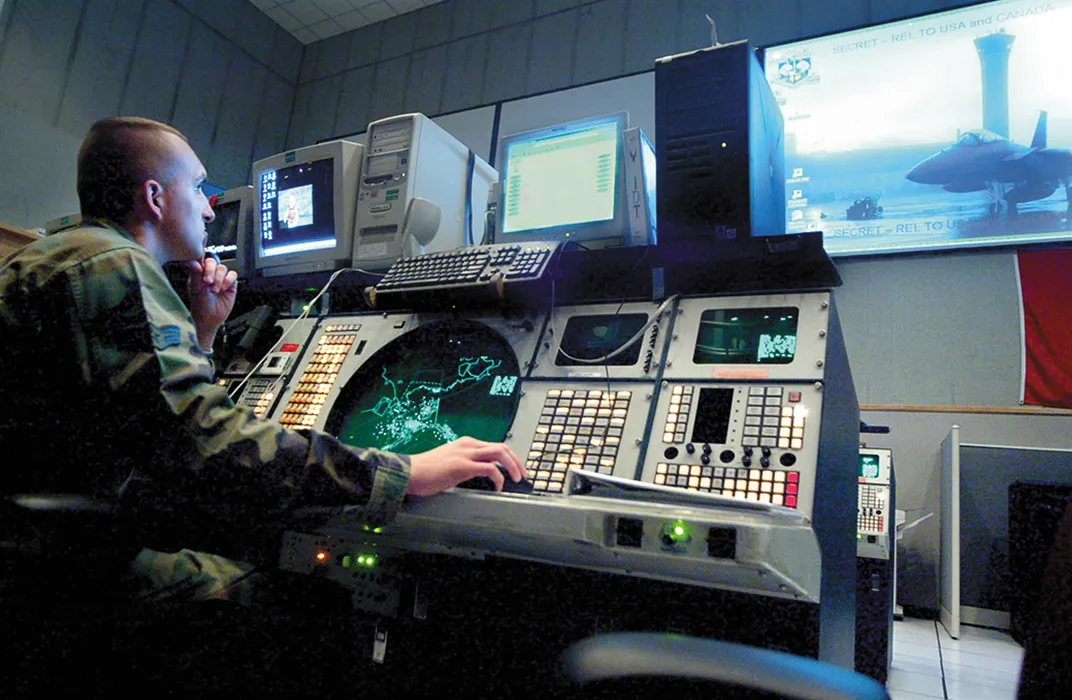
This recalibration could ultimately strengthen alliances rather than weaken them. A NATO composed of members with credible, independent capabilities may be more resilient than one dependent on a single industrial hub. Shared goals do not require shared vulnerabilities.
Still, the symbolism of the moment is hard to ignore.
Turning down a $20 billion U.S. defense contract would have been unthinkable a generation ago. Today, it reflects a broader shift in global power dynamics—where even close allies are asserting their interests more openly.
Canada’s decision will not remake the global order overnight. But it does mark a turning point in how the country sees itself: not as a junior partner by default, but as a sovereign actor capable of saying no when its long-term security demands it.
In a world where influence is increasingly contested, that quiet assertion of independence may prove to be Canada’s most strategic move yet.