For more than a century, King Tutankhamun has captivated the world as ancient Egypt’s most famous pharaoh—wrapped in gold, mystery, and myth. Now, modern science has done what tombs and curses never could: it has cracked his DNA, revealing a story far more unsettling than the legends passed down through time.

The sequencing of King Tut’s DNA has delivered shocking insights into his lineage, health, and death—insights that are forcing historians to rethink everything they thought they knew about the boy king.
The most startling revelation? Tutankhamun was likely the child of a sibling union. Genetic analysis indicates that his parents were closely related, a practice not uncommon among Egyptian royalty who believed divine bloodlines had to remain pure. But that pursuit of purity came at a devastating cost.
Tut was physically fragile from birth.

Scientists now know that the young pharaoh suffered from multiple congenital conditions, including a severe club foot, bone disorders, and compromised immunity. He likely walked with a cane—several were found in his tomb—and endured chronic pain throughout his short life. DNA evidence also confirms that Tut contracted malaria, a disease that may have played a critical role in his death at just 19 years old.
For decades, speculation swirled around palace conspiracies, murder plots, and violent betrayal. But the genetic evidence paints a far more human—and tragic—picture: a teenager weakened by inherited illness, struggling to rule an empire while his body failed him.
Tut ascended the throne at around nine years old, inheriting a kingdom in turmoil. His father, Akhenaten, had attempted to radically reshape Egyptian religion, abandoning centuries of tradition. Tut’s reign became one of restoration—returning Egypt to its old gods and customs—yet his time to rule was painfully brief.
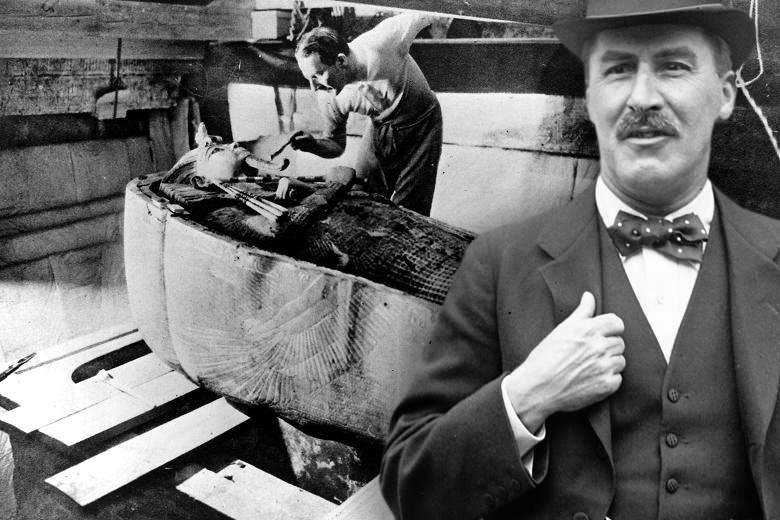
The discovery of his tomb in 1922 by Howard Carter stunned the world and ignited tales of a deadly curse after the sudden death of Lord Carnarvon. But a century later, science is stripping away the supernatural, replacing myth with biology.
Still, mysteries remain. The identity of Tut’s mother is unresolved—whether it was Nefertiti or another close relative remains debated. DNA also confirms that Tut fathered children, but none survived infancy, further underscoring the genetic toll of royal intermarriage.
Far from diminishing his legacy, these revelations deepen it. King Tut is no longer just a symbol of ancient wealth—he is a reminder that even divine kings were vulnerable to the limits of human biology.
And as science continues to probe the past, one thing is clear: the boy king is still rewriting history—thousands of years after his death.