For decades, the legend of the Nazi gold train was dismissed as wartime folklore — a ghost story whispered by survivors, treasure hunters, and historians chasing shadows. But recent discoveries beneath Poland’s Owl Mountains have reignited a global obsession, suggesting the train may not only be real, but far more disturbing than anyone imagined.
The story exploded back into public consciousness in 2015, when amateur explorers Piotr Koper and Andreas Richter claimed they had detected a massive metallic object buried deep underground using ground-penetrating radar. Their announcement sent shockwaves through the media, sparking international headlines and reviving a mystery thought long buried with World War II.
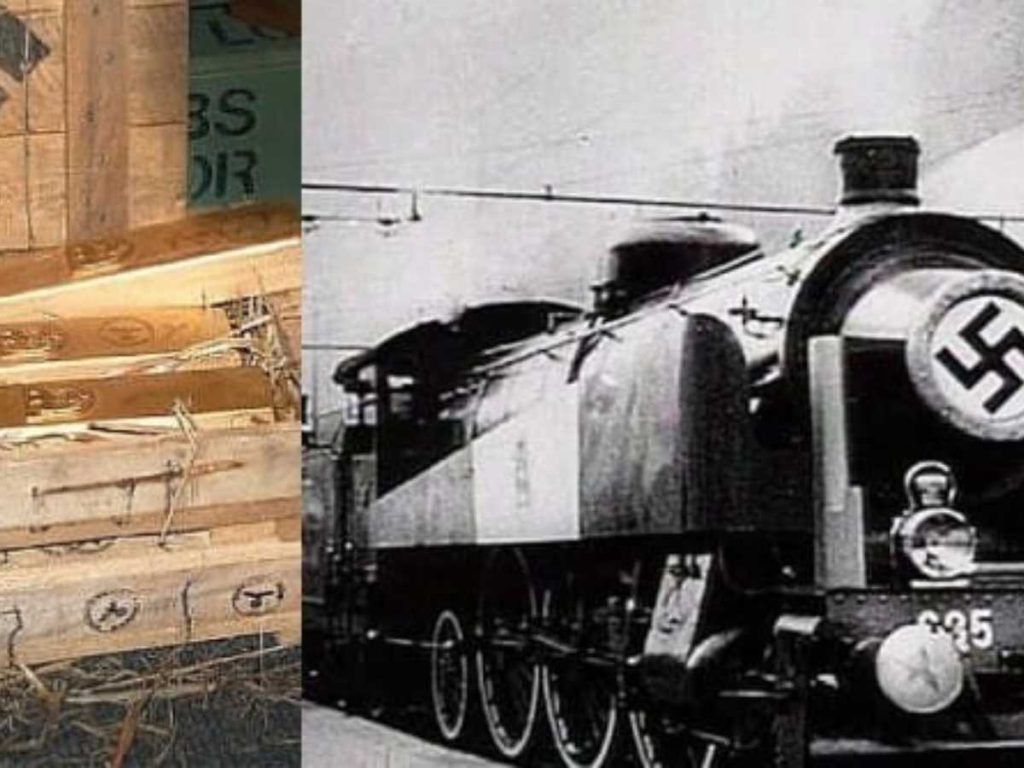
According to wartime accounts, a heavily guarded Nazi train vanished in the chaotic final months of the Third Reich. Rumors claimed it carried gold, precious gems, and priceless artworks looted across occupied Europe. But historians warn the cargo may have included something darker: physical evidence of Nazi crimes — documents, personal belongings of Holocaust victims, or experimental military technology meant to disappear forever.
The train’s suspected route runs through southwestern Poland near the Owl Mountains, an area riddled with unfinished tunnels from the secretive Nazi construction effort known as Project Riese. Built using forced labor under brutal conditions, much of the underground network remains unexplored to this day — sealed chambers that may still hold untold stories of suffering and secrecy.
When the 2015 claims surfaced, Polish authorities quickly sealed the site and dispatched military engineers to investigate. For a brief moment, the world held its breath. Cameras rolled. Expectations soared. Yet the initial excavations failed to deliver the dramatic discovery many hoped for, and official efforts soon stalled.
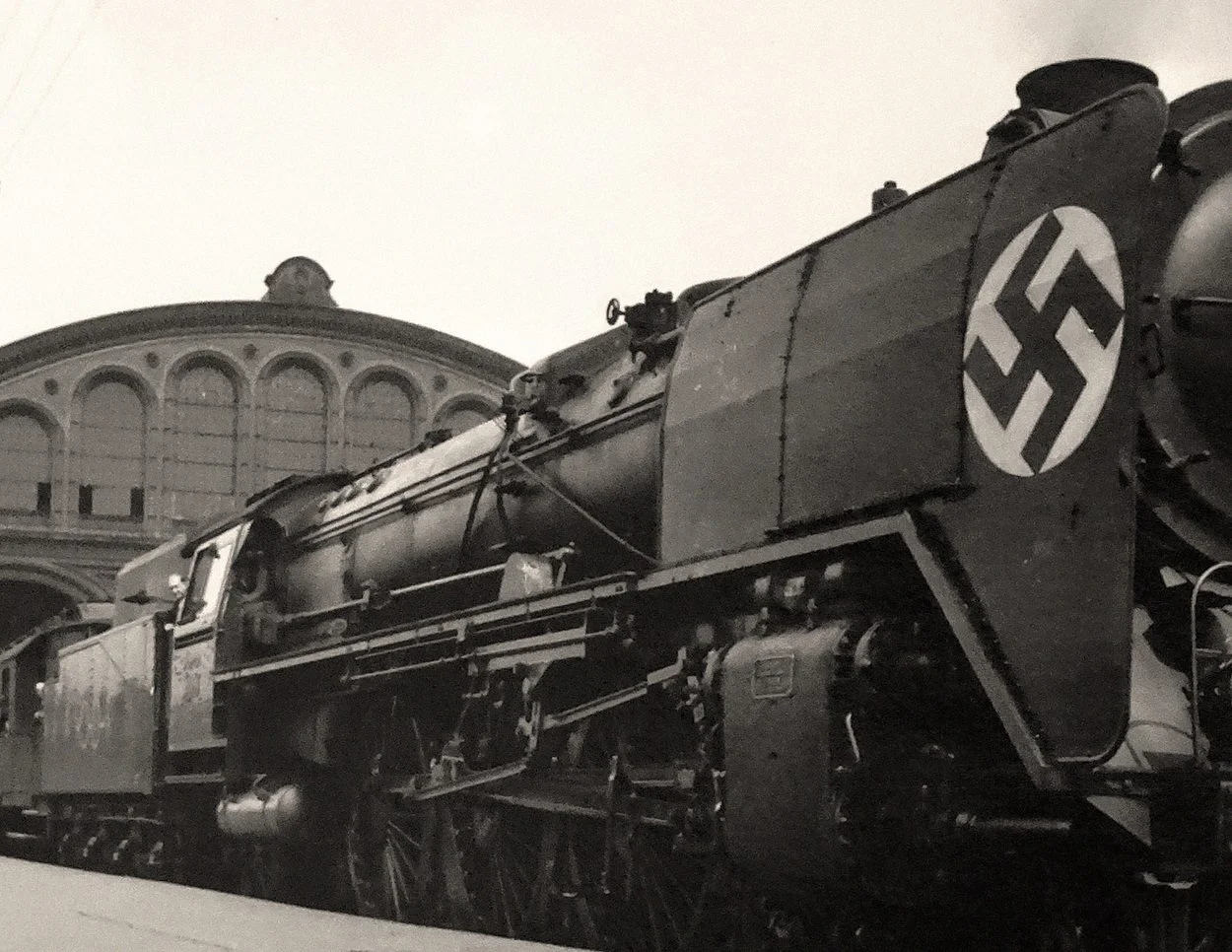
Critics argue the search barely scratched the surface. They believe the train, if real, could be buried under tons of collapsed rock and wartime debris — deliberately hidden to ensure it would never be found. Calls for renewed investigations have grown louder, driven by a haunting question: what if the Nazis succeeded in hiding not just stolen wealth, but proof of their atrocities?
The implications are staggering. A discovery could reshape historical understanding, bring long-overdue acknowledgment to victims, and force the world to confront evidence the Nazis tried to erase.
The Nazi gold train, it seems, is no longer just a treasure hunt. It is a search for truth — buried beneath layers of earth, silence, and time. And as history’s shadows refuse to fade, the world watches, waiting to see what will finally emerge from the darkness below.