Explosive parliamentary speech exposes growing backlash against surveillance, immigration failures, and state overreach
A dramatic confrontation unfolded in the House of Commons as a Reform MP delivered a blistering speech attacking Labour leader Keir Starmer, branding his approach to digital ID, immigration, and civil liberties as “pathetic” and deeply dangerous.
The intervention sent shockwaves through Westminster, laying bare intensifying political tensions as public resistance grows against what critics describe as an increasingly intrusive surveillance agenda.
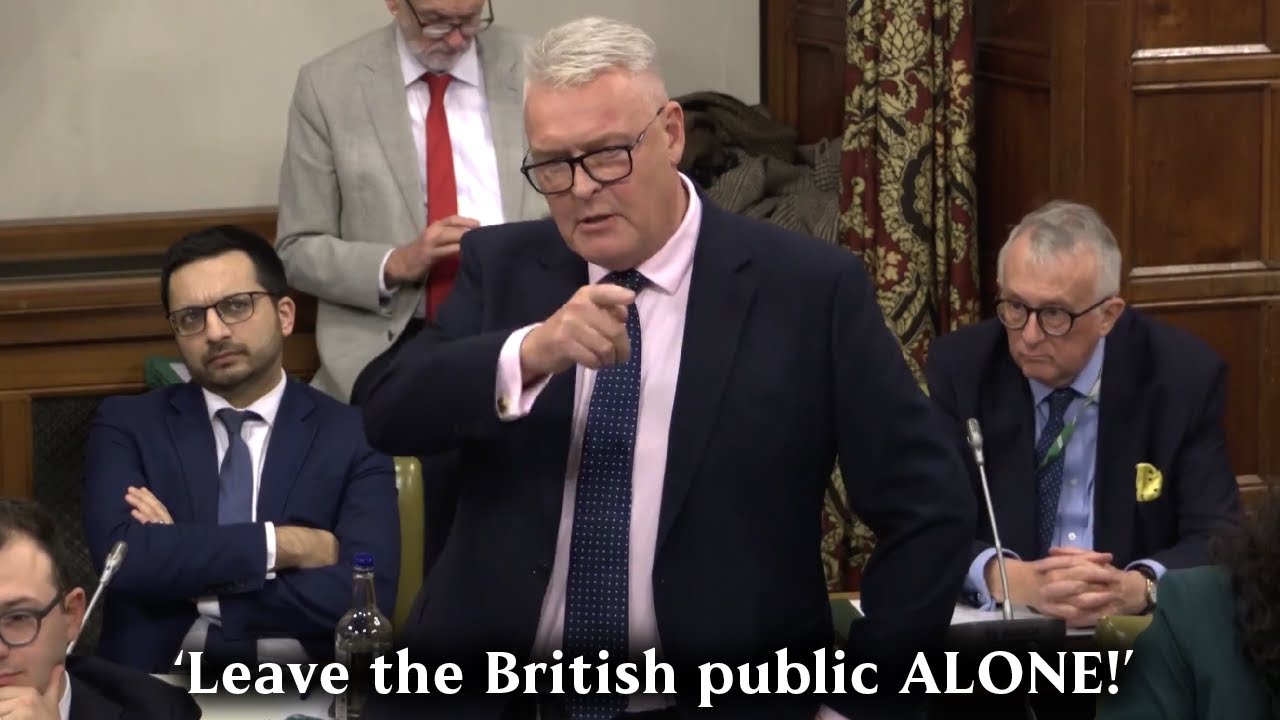
A furious speech that cut through the chamber
Rising to speak, the Reform MP unleashed a relentless critique of the government’s proposed digital ID policy. He dismissed the plan as a hollow gesture that places new burdens on law-abiding citizens while failing to tackle illegal immigration.
His central charge was blunt: the government has lost control and is now punishing ordinary people for its own policy failures.
Digital ID at the centre of the storm
The government argues that digital ID is necessary to stop illegal migrants from working. The Reform MP rejected this outright, calling the justification weak and misleading.
Instead of expanding digital checks on citizens, he demanded decisive enforcement—specifically the removal of those who arrive illegally via the English Channel. Anything less, he argued, amounts to political theatre rather than real action.
Warnings over surveillance and shrinking freedoms
The speech widened beyond immigration to broader civil liberties.
The MP highlighted the rapid expansion of facial recognition technology and claimed that more than 30 people a day are being arrested over social media posts. He warned that trial-by-jury protections are being quietly eroded in some cases, describing a justice system drifting towards excessive state control.
According to the MP, these trends point to a troubling direction for British democracy.

Schools and cultural flashpoints
Adding a volatile cultural dimension, the MP accused left-leaning teachers of radicalising children in schools. He framed this as another example of state overreach, arguing that education is being politicised and used to promote ideological agendas.
The remarks intensified an already heated debate over parental rights, education policy, and the role of the state in shaping young minds.
Grassroots opposition from Ashfield
To underline public resistance, the MP revealed that more than 5,000 constituents in Ashfield had signed a petition opposing digital ID and government intrusion into private life.
He described these residents as hardworking citizens who are being unfairly targeted, despite having played no role in creating the immigration crisis now used to justify stricter controls.
Accusations of hypocrisy
One of the sharpest moments came when the MP contrasted the treatment of undocumented migrants with that of British workers.
He criticised the government for housing illegal arrivals in hotels without requiring ID, while proposing mandatory digital identification for citizens. This double standard, he said, fuels anger and erodes trust in government authority.
Clash over dissent and free speech
The speech reached a dramatic peak when the MP accused senior figures of branding critics as “fascists” in an attempt to silence opposition.
He warned that dismissing dissent in this way only deepens division and undermines democratic debate, calling on the government to stop targeting ordinary people and confront its own policy failures.

A wider political fracture
This intervention exposed growing fractures in UK politics over digital surveillance and immigration enforcement.
As opposition to digital ID intensifies, ministers face mounting pressure to justify policies that critics say threaten privacy and civil liberties without delivering meaningful security outcomes.
Civil liberties under scrutiny
With arrests linked to online speech and concerns over judicial safeguards, campaigners warn that fundamental freedoms are being tested.
Digital ID, once framed as a technical solution, has become a symbolic battleground over trust, privacy, and the limits of state power in modern Britain.
A challenge to Starmer’s leadership
By directly targeting Keir Starmer, the Reform MP cast the issue as a broader crisis of leadership.
His accusations painted a picture of a government struggling to control events while tightening its grip on citizens, a narrative likely to resonate with voters already sceptical of expanding surveillance.

A moment that could shape the debate ahead
The speech is expected to ripple through Westminster and beyond, sharpening debate around digital ID, immigration policy, and civil rights.
As public unease grows, the government faces a critical test: defend its approach convincingly or risk a backlash that turns digital ID into a defining political fault line.
For now, the Reform MP’s explosive intervention has ensured one thing—Britain’s digital future is no longer a quiet policy discussion, but a high-stakes political battle over freedom, trust, and the role of the state.