In the history of American rock, some moments seem small at first — yet end up reshaping a legend. For Bruce Springsteen, that moment came in 1974, when Max Weinberg and Roy Bittan joined the E Street Band, forming what would become the most iconic lineup of his career.
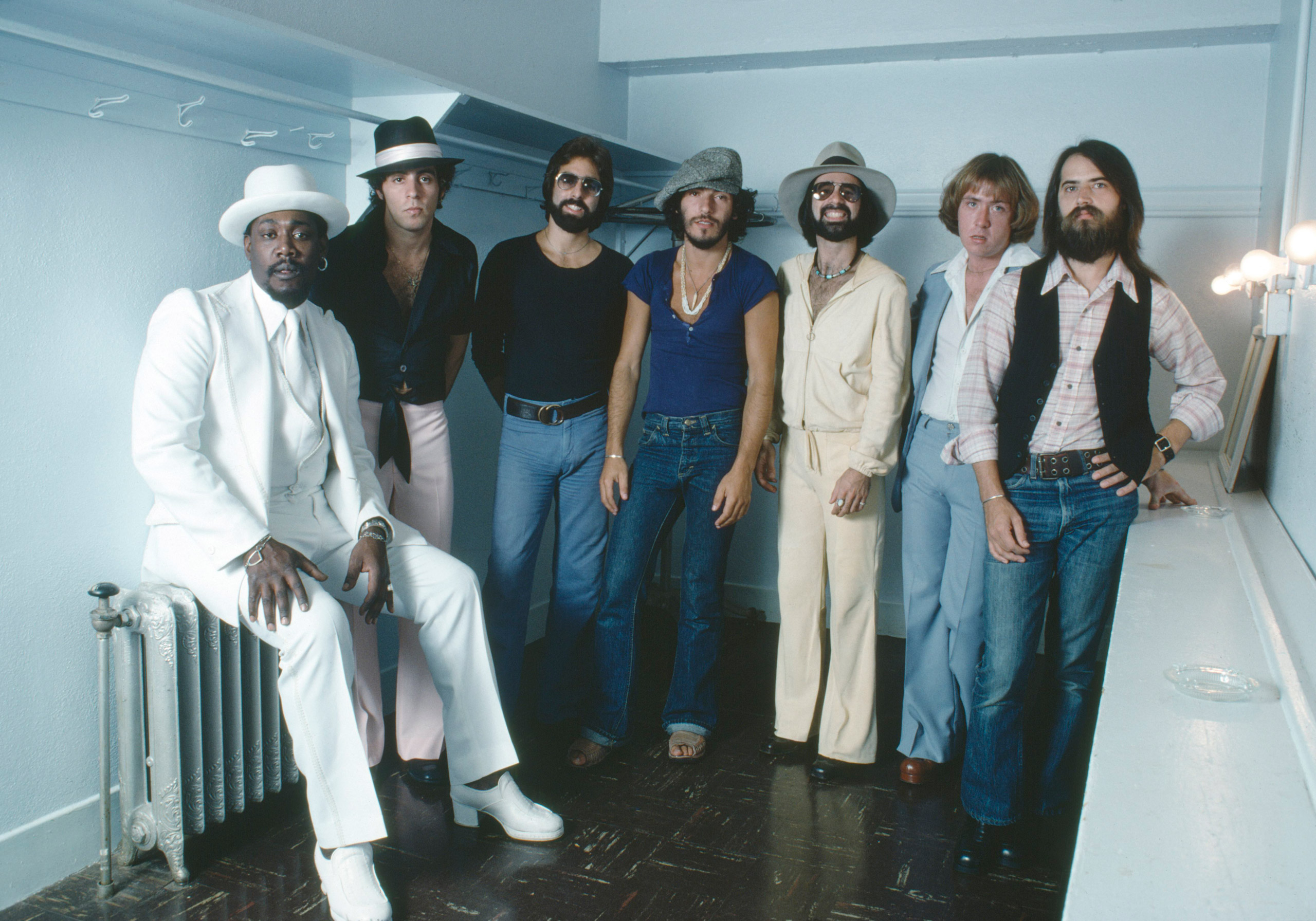
At the time, Springsteen was still searching for a sound that could fully support his ambition. He had the stories, the hunger, and the raw energy — but something was missing. That missing piece arrived in the form of two musicians whose impact would prove immediate and lasting.
Roy Bittan, with his classical piano background, brought an entirely new emotional depth to the band’s sound. His piano lines didn’t just fill space — they became the emotional backbone of Springsteen’s music, helping balance intensity with tenderness. Bittan’s playing would later define some of Springsteen’s most beloved ballads.
Meanwhile, Max Weinberg delivered exactly what the band needed behind the drums: discipline, precision, and power. His tight, controlled style transformed the E Street Band into a finely tuned machine, capable of explosive live performances without losing focus. Weinberg quickly became the rhythmic anchor that held everything together.
The effect was almost immediate. Just one year later, Springsteen released Born to Run (1975) — an album that didn’t merely elevate his career, but helped redefine American rock in the 1970s. Many fans and critics agree that without Bittan and Weinberg, songs like “Thunder Road” and “Backstreets” might never have reached their legendary status.
Looking back, 1974 wasn’t simply the year two musicians joined a band. It was the moment Bruce Springsteen finally found the lineup that could carry his vision — a group where each member played a crucial role in shaping history.
Sometimes, a legend isn’t built by one person alone. It’s forged through the right decisions made at exactly the right time. For Springsteen, Max Weinberg and Roy Bittan were that decision.