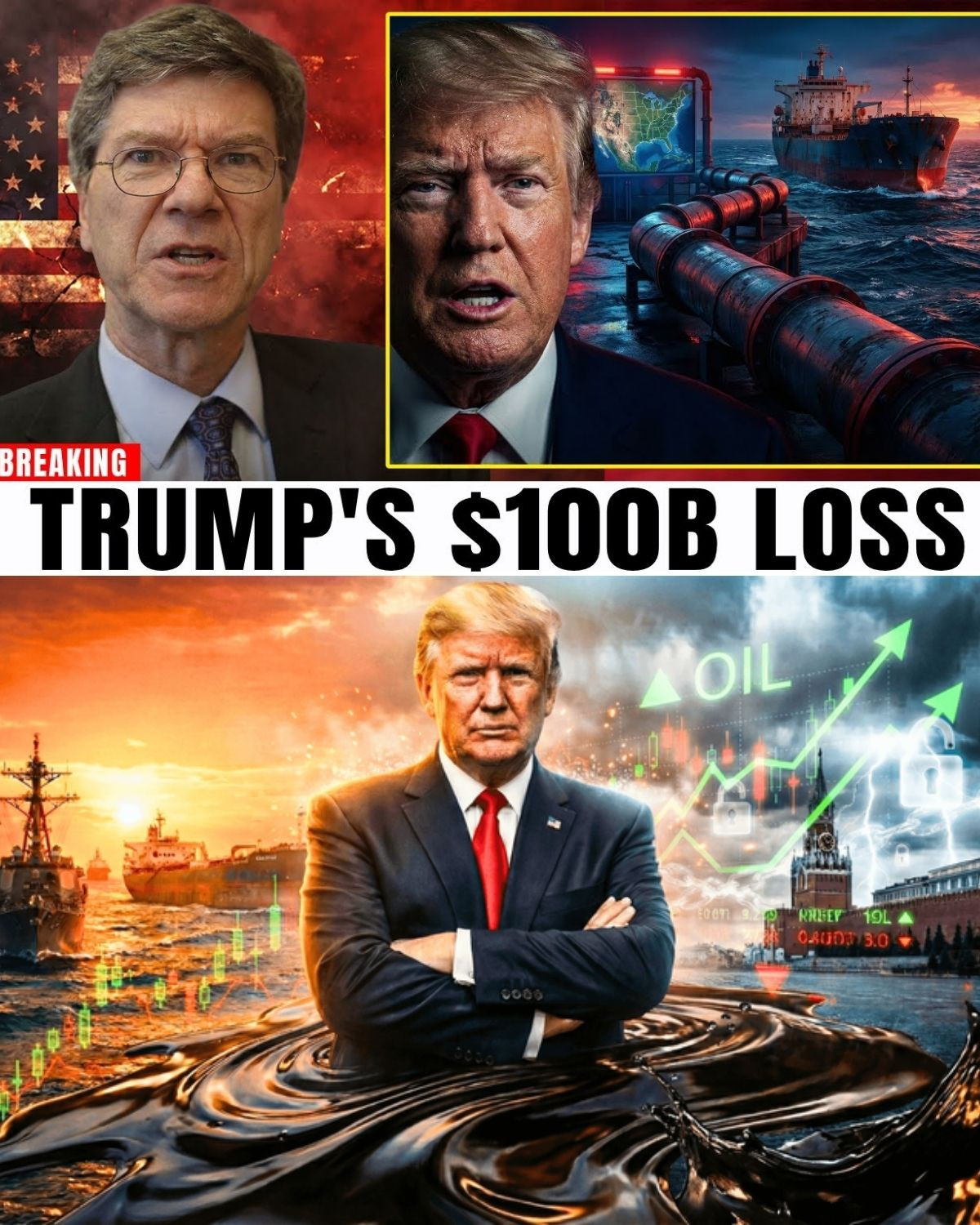
 In a seismic shift shaking the foundations of North American energy dynamics, Canada’s Trans Mountain expansion pipeline is now fully operational, redirecting oil tankers westward to Asia. This critical development threatens U.S. refinery stability and exposes the fragility of American energy dependence on Canadian crude, prompting urgent economic and political ramifications.
 As Canadian oil flows to lucrative markets in Asia, U.S. refineries face a crisis. Aging infrastructure, coupled with tightening environmental regulations, leaves them vulnerable. This shift is not merely about trade; it’s a radical restructuring of power dynamics that could redefine energy markets for years to come.
Historically, Canadian oil producers were forced to sell at discounted rates to U.S. refineries due to a lack of export capacity. With the new Pacific outlet, Canadian heavy crude is no longer a captive resource. This newfound autonomy enables Canadian producers to negotiate better prices, fundamentally altering the energy landscape.
American refiners, accustomed to cheap, reliable access to Canadian crude, now confront uncertainty. The costs of retooling and adapting to new supply chains are daunting. Local economies reliant on these refineries are bracing for potential job losses and economic instability, as community leaders express growing concern.
The media narrative often oversimplifies this situation as a mere trade dispute, but the implications are far deeper. The old arrangement benefited U.S. interests while suppressing Canadian autonomy. As the balance of power shifts, questions arise about who will bear the economic fallout and how quickly institutions will adapt to the new reality.
This transition is not just an economic issue; it’s a geopolitical one. Countries that once relied on predictable energy supplies must now navigate a more complex landscape. The emergence of alternative markets for Canadian oil could lead to a re-evaluation of alliances and trade relationships, increasing global uncertainty.
As the story unfolds, the urgency for American policymakers to rethink their energy strategies is palpable. The long-standing assumption of privileged access to Canadian resources is crumbling. The need for modernization, diversification, and investment in resilience has never been more pressing, as communities grapple with the impending changes.
In Canada, the narrative is equally complicated. While higher prices for oil can stabilize provincial revenues, they also bring challenges related to climate policy and economic strategy. The dual responsibilities of leveraging newfound power while managing global market fluctuations will test Canadian leadership in unprecedented ways.
The current energy landscape is a stark reminder of how quickly established assumptions can be upended. The fragility of dependence is now 𝓮𝔁𝓹𝓸𝓼𝓮𝓭, revealing vulnerabilities that were previously masked by complacency. As both nations navigate this critical juncture, the stakes are high, and the potential for conflict looms large.
This moment is not merely about oil; it’s about the intricate web of power, economics, and infrastructure that defines our modern world. As we watch these developments unfold, the real questions emerge: Who controls the resources? Who bears the risks? And how will both nations adapt to a shifting paradigm that could redefine their futures?