What began as a familiar show of U.S. trade muscle has taken an unexpected turn. After Washington abruptly froze talks and demanded sweeping concessions on alcohol, dairy, energy, and technology rules, Canada didn’t blink. Instead, Ottawa dug in—defending domestic industries, signaling readiness for retaliation, and quietly reminding the U.S. just how dependent it is on Canadian resources. As tariff threats boomerang back onto American farmers and manufacturers, the balance of power in North American trade appears to be shifting. Canada’s response is now being watched as a case study in strategic patience—and calculated resistance.
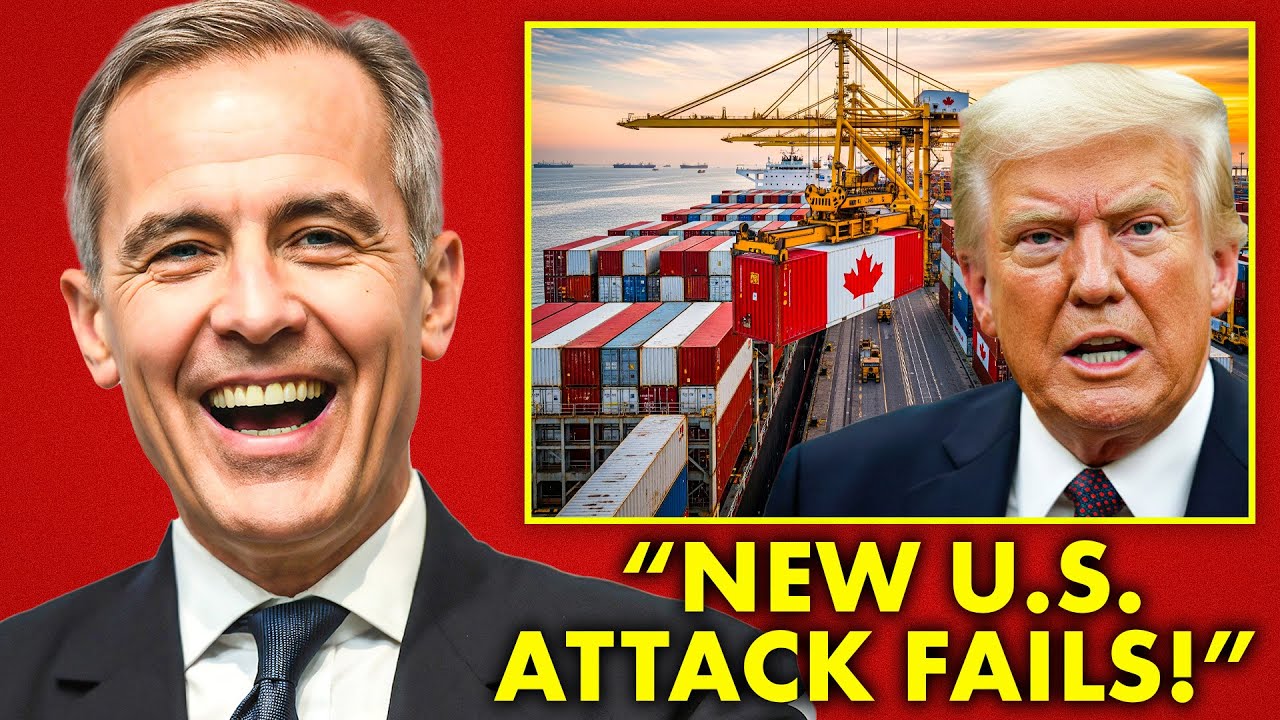
For years, trade disputes between the United States and Canada followed a familiar script: Washington applied pressure, Ottawa negotiated, and compromise eventually emerged. This time, the script changed.
The current standoff traces back to last October, when former President Donald Trump abruptly halted trade talks, triggering a wave of escalating demands from Washington. U.S. officials pushed for expanded access to Canadian markets—targeting alcohol, dairy, and energy—while also calling for changes to Canadian regulations affecting American technology firms.
Before Congress, U.S. Trade Representative Jameson Greer laid out what he described as longstanding grievances, framing Canada’s trade policies as barriers to fair competition. The expectation in Washington appeared clear: apply pressure, force concessions, move on.
Instead, Ottawa held its ground.
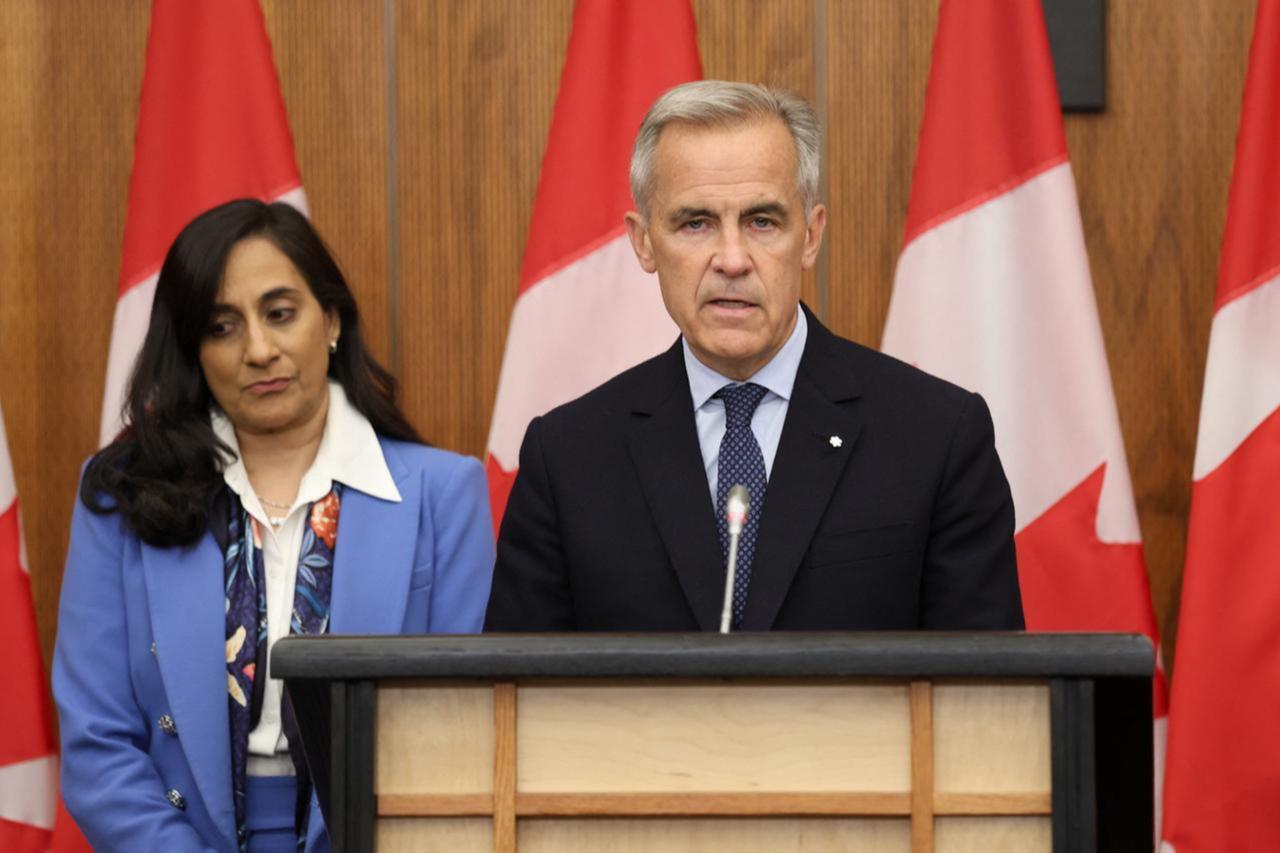
Prime Minister Mark Carney made it clear that Canada’s supply management system—particularly in the dairy sector—was not up for negotiation. Provinces, meanwhile, maintained restrictions on American alcohol sales, reinforcing political and public support for domestic producers. Far from fracturing under pressure, Canada presented a unified front that surprised many observers south of the border.
What was initially framed as American leverage soon began to look like a miscalculation.
As Canada refused to yield, the vulnerabilities in the U.S. position became more visible. American officials had underestimated both Canada’s political resolve and its economic leverage. Ottawa signaled it was fully prepared to impose reciprocal tariffs if necessary—a move that would immediately ripple through key U.S. industries.
Canada’s strength lies not in headline-grabbing threats, but in its role as a critical supplier to the U.S. economy. Canadian aluminum feeds American manufacturing lines. Canadian energy stabilizes U.S. supply chains. Canadian minerals underpin sectors Washington considers strategically essential. Disrupting that flow would come at a steep cost for the United States.
That reality is already beginning to register.

As tariff threats linger, American farmers—many of whom depend on Canadian imports and cross-border trade—are facing rising costs and growing uncertainty. Manufacturing sectors reliant on Canadian aluminum and energy are quietly warning of price increases and supply disruptions. The interconnected nature of the two economies has turned a pressure campaign into a self-inflicted strain.
Meanwhile, Canada has played a longer game.
Rather than escalating rhetorically, Ottawa has focused on diversification. Trade relationships with India, China, and other global markets have been strengthened, reducing Canada’s vulnerability to any single partner. This strategy has reframed Canada not as a junior partner in North American trade, but as a competitive actor with options.
The upcoming KUSMA review is expected to intensify these dynamics. Negotiators on both sides will face a more complex landscape—one in which Canada arrives with increased confidence and the U.S. with fewer assumptions. The days of expecting quick concessions from Ottawa may be over.
For American policymakers, the episode serves as a cautionary tale. Economic pressure is no longer a one-way tool, particularly against partners with diversified trade networks and critical resource leverage. Aggressive tactics can expose domestic weaknesses just as quickly as they extract concessions.
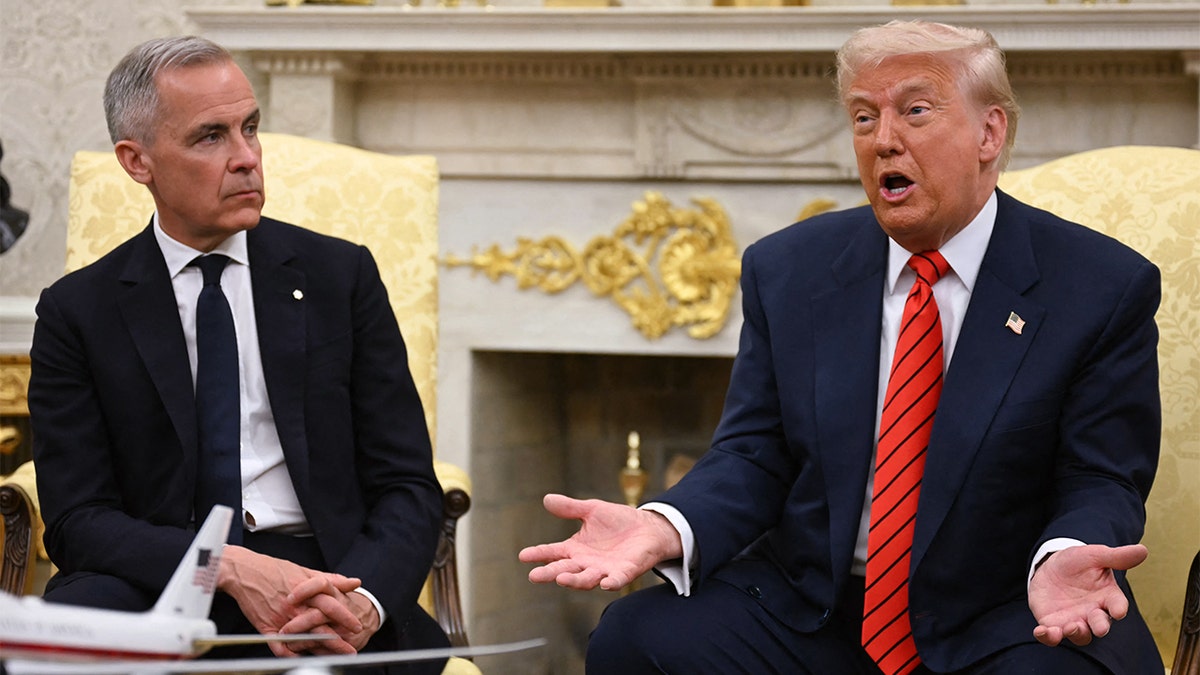
For Canada, the moment marks a quiet but meaningful shift. By resisting pressure without severing ties, Ottawa has demonstrated that firmness and cooperation are not mutually exclusive. The message is subtle but clear: partnership does not mean submission.
As tensions continue to simmer, both countries are being forced to reassess how power functions in modern trade relationships. The outcome of this dispute may not hinge on tariffs or access alone, but on who adapts faster to a changing economic reality.
In the evolving landscape of North American trade, Canada’s stance suggests a new lesson—sometimes, the strongest move is simply refusing to move at all.