In a deal that could reshape North American energy politics, Canada has approved a landmark pipeline agreement positioning Alberta’s oil industry as a rising force on the global stage. Announced by Prime Minister Mark Carney and Alberta Premier Danielle Smith, the project will send Alberta crude to Canada’s Pacific coast—unlocking Asian markets and reducing long-standing dependence on the United States. Valued at tens of billions of dollars annually, the agreement marks a rare alignment between Ottawa and Alberta and signals a strategic shift in how Canada views its energy future, economic leverage, and role in global power dynamics.

For decades, the story of North American energy has been told largely through an American lens. The United States was the dominant producer, the central exporter, and the undisputed price-setter. Canada, despite vast resources, was often cast as a supporting player—rich in oil but locked into a single customer to the south.
That narrative may be changing.
In what officials are calling a historic reset, Canada has signed a sweeping energy agreement that could redefine Alberta’s place in the global oil market and quietly challenge U.S. energy supremacy. The deal centers on a new pipeline to the Pacific coast, part of the ambitious Pathways project, designed to move nearly one million barrels of oil per day toward Asian markets.
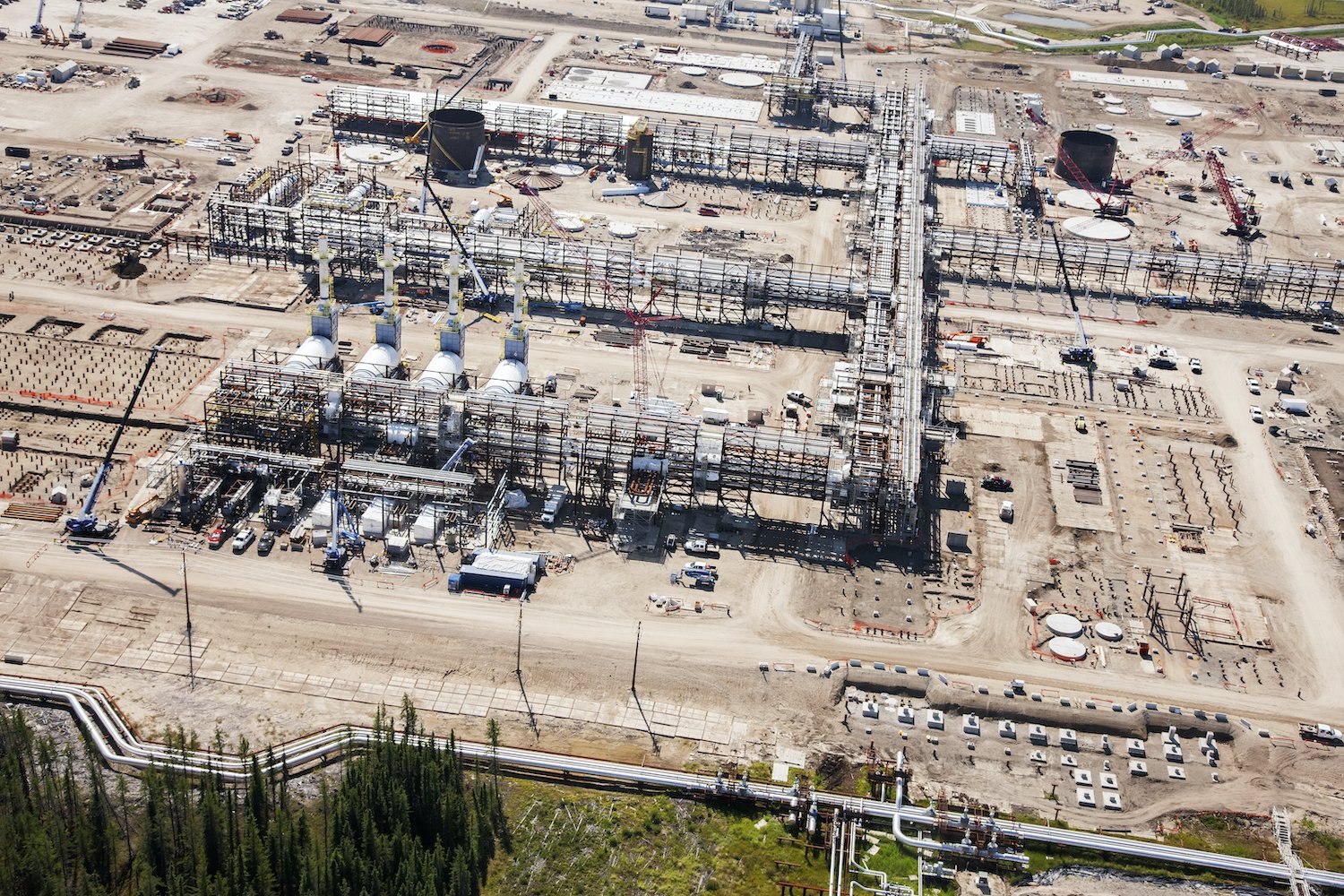
If completed, the pipeline could generate an estimated $20 billion annually, transforming Alberta’s oil sector into one of the most strategically important energy hubs in the world.
The political significance of the agreement may be just as important as the economic one.
Relations between Alberta and Ottawa have been strained for more than a decade, defined by disputes over emissions caps, carbon pricing, and federal oversight of energy development. The new deal signals a thaw. By aligning national economic strategy with provincial energy priorities, Prime Minister Mark Carney appears to be betting that energy—once a political liability—can become a pillar of national stability.
Premier Danielle Smith, for her part, approached the negotiations from a position of strength. Rather than appealing for federal concessions, Alberta emphasized its economic leverage. The province moved to ease emissions caps, retained greater control over carbon pricing mechanisms, and reframed its oil sector as a cornerstone of Canada’s economic resilience.
That posture paid off.

Alberta’s energy reserves are valued at more than $9 trillion, making them among the most significant on the planet. With Canada already exporting roughly 4.5 million barrels of oil per day—more than double its 2008 output—the case for expanding export routes has become increasingly difficult to ignore.
Crucially, more than 60% of U.S. crude imports already come from Canada. That dependence has long flowed one way: Canadian oil needed American buyers. The new pipeline threatens to rebalance that equation by giving Canada alternatives.
The timing is notable.
While Canada’s GDP has shown relative stability, the United States is grappling with rising fiscal deficits, policy uncertainty, and signs of slowing industrial momentum. Against that backdrop, Ottawa’s move looks less like a regional infrastructure decision and more like a strategic recalibration.
Energy, once again, is becoming geopolitics.

By opening direct access to Asian markets, Canada is reducing its exposure to U.S. political cycles and trade disruptions. The Trans Mountain expansion has already begun shifting shipments westward, and the new pipeline would accelerate that trend—ending what critics have long described as Canada’s “single-customer vulnerability.”
Still, the agreement is far from uncontested.
Environmental groups and Indigenous leaders have raised alarms about the pipeline’s impact, particularly along British Columbia’s coast. Concerns range from spill risks to long-term ecological damage and unresolved First Nations consent issues. British Columbia’s regulatory framework is expected to become a key battleground as the project moves forward.
Ottawa has signaled that environmental protections and Indigenous consultation will be central to the next phase of negotiations. Whether those assurances can withstand political and legal scrutiny remains an open question.
Yet even critics acknowledge the broader shift underway.
Canada is no longer acting like a junior energy partner. It is positioning itself as a global supplier with leverage, options, and strategic ambition. The symbolism matters: energy exports are no longer framed as a compromise between climate goals and economic growth, but as a tool of national power.

For the United States, the implications are subtle but significant. A Canada less dependent on U.S. markets is a Canada with greater bargaining power—not just in energy, but across trade, climate negotiations, and security planning.
For Alberta, the deal represents something closer to vindication. Long criticized as an economic and environmental problem, the province is now being recast as a solution—both for Canada’s fiscal health and its global standing.
Whether the project ultimately succeeds will depend on regulatory battles, political will, and global oil demand. But one thing is already clear: the balance of energy power in North America is shifting.
And Canada, once content to export quietly south, is now looking west—and outward—on its own terms.