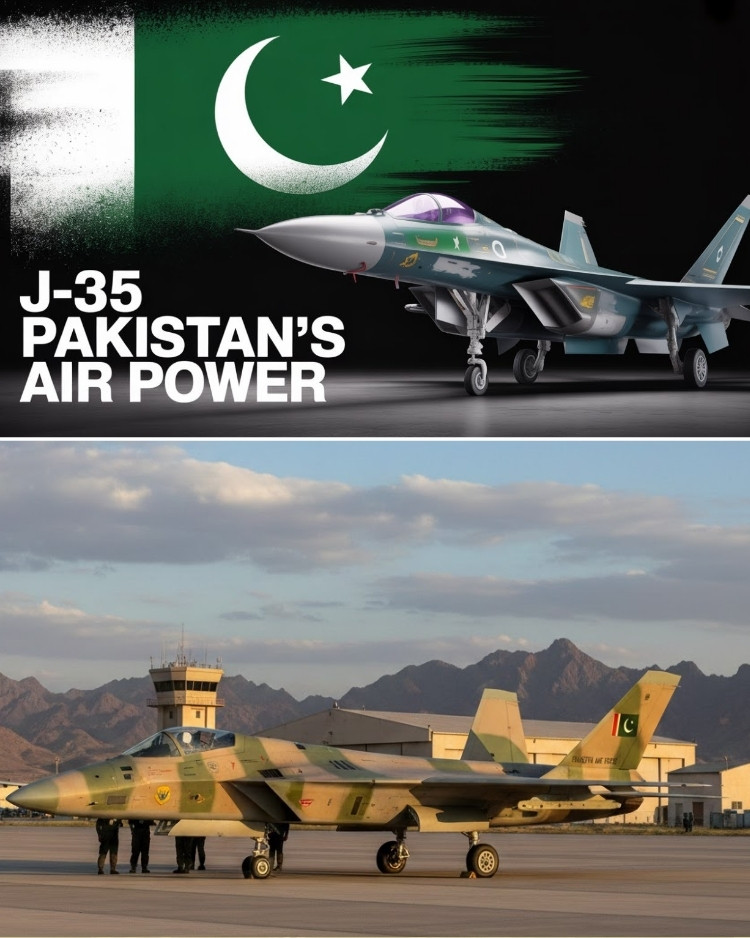
 Pakistan is reportedly on the brink of acquiring China’s J-35 stealth fighter, a move that could dramatically alter the air power dynamics in South Asia. This potential leap into fifth-generation military aviation raises urgent questions about regional stability and the balance of power between India and Pakistan.
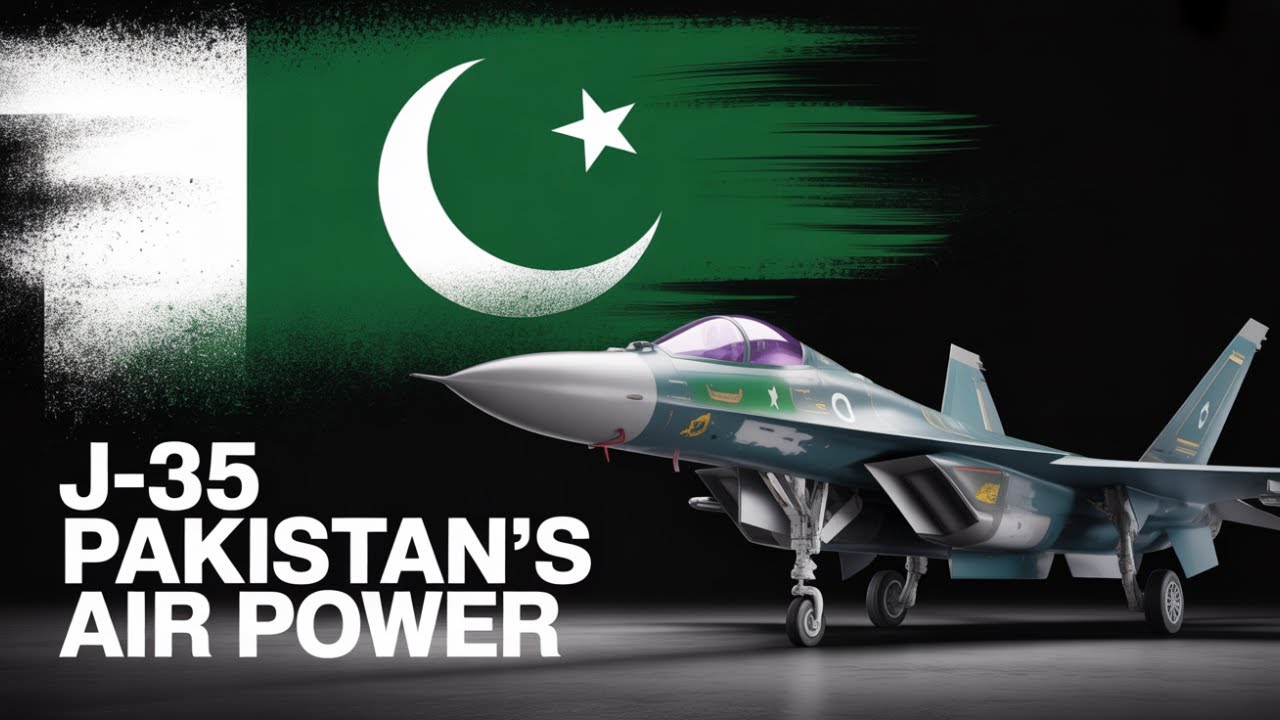 For years, the air power landscape in South Asia appeared stable, with India boasting advanced Rafale jets and developing its own stealth fighter, the AMCA. Pakistan, on the other hand, has relied on F-16s and the locally manufactured JF-17. However, the rumored acquisition of the J-35 could disrupt this perceived equilibrium.
The J-35, developed by the Shenyang Aircraft Corporation, is designed for flexibility and export potential, making it a compelling option for Pakistan. Unlike the U.S. F-35, which comes with stringent conditions, the J-35 offers a more accessible alternative for countries seeking advanced military capabilities without the strings attached.
This potential shift raises concerns among defense analysts. If Pakistan successfully integrates the J-35 into its arsenal, it would not only enhance its operational capabilities but also force India to rethink its defense strategies. The introduction of stealth technology would complicate India’s air defense planning, requiring significant investments in countermeasures and early warning systems.
Moreover, the partnership between China and Pakistan has deepened over the years, with China being Pakistan’s most reliable military ally. This long-standing relationship could facilitate the transfer of technology and operational strategies, further enhancing Pakistan’s military capabilities.
However, the J-35’s untested status in combat raises critical questions about its effectiveness. While it promises advanced features like sensor fusion and internal weapons bays, its true performance remains uncertain. The complexities of operating a stealth fighter, including maintenance and training, could also pose significant challenges for Pakistan’s defense infrastructure.
The stakes are high, as the J-35 could redefine air power in the region. Even a limited fleet could force India to accelerate its own military advancements, leading to an arms race that destabilizes the entire region. The psychological impact of stealth technology could heighten tensions, making conflicts more likely as both nations react to perceived threats.
In summary, the J-35’s potential acquisition by Pakistan represents a pivotal moment in South Asian military history. It poses a strategic dilemma that balances immediate military enhancement against long-term dependency on China. As the situation unfolds, the implications for regional security and power dynamics remain profound and unpredictable.