Beneath the soaring dome of St. Peter’s Basilica, where millions gather in awe each year, an entirely different Vatican exists—one carved in stone, silence, and centuries of buried truth. Recent archaeological revelations beneath Vatican City are transforming how historians understand ancient Rome, early Christianity, and the origins of the Catholic Church itself.
/interior-of-st--peters-basilica--rome-681958870-5c88188e46e0fb00017b31a8.jpg)
Hidden below the basilica is the Scavi, a remarkably preserved Roman necropolis dating from the first to fourth centuries AD. Discovered during excavations ordered by Pope Pius XII in the 1940s, this underground city of the dead offers an intimate glimpse into Roman life at the moment Christianity was emerging from persecution. Visitors walk along a Roman street flanked by mausoleums decorated with mosaics, frescoes, and inscriptions—some pagan, some unmistakably Christian.
At the heart of the discovery lies one of the most consequential finds in Christian history: a collection of bones believed to belong to St. Peter himself. Unearthed in the 1950s beneath a modest shrine covered in ancient graffiti prayers, the remains were officially recognized in 1968 by Pope Paul VI as likely those of the Apostle. The location—directly beneath the high altar—adds weight to centuries of belief that St. Peter was buried exactly where tradition claimed.
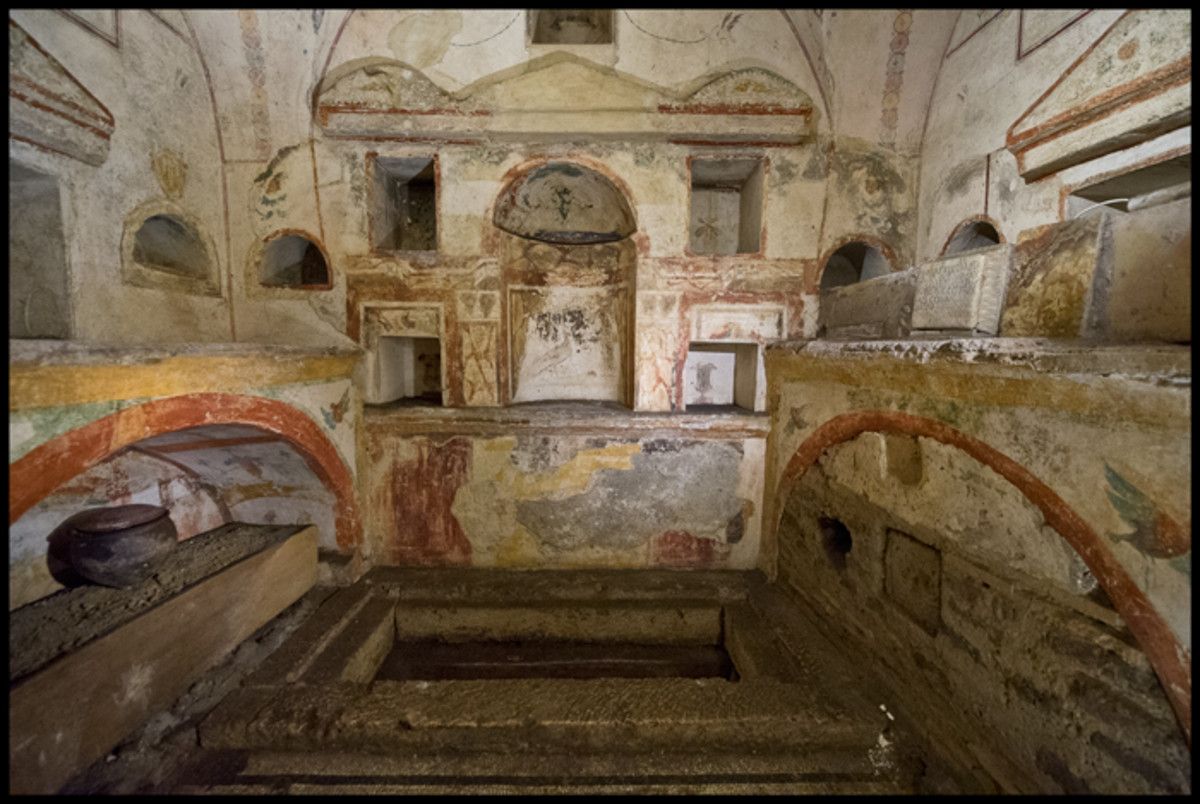
Nearby lies the chilling shadow of the Circus of Nero, where early Christians were brutally executed. Though the structure itself is long gone, its foundations remain underground, linking the basilica to a place of martyrdom. Above ground, the obelisk in St. Peter’s Square stands as the last silent witness to those executions.
Between the ancient floor of Constantine’s original basilica and today’s church sits the Vatican Grotto, home to papal tombs and fragments of earlier sacred architecture. Among its treasures are the ornate sarcophagus of Junius Bassus—an elite Roman who embraced Christianity—and the richly decorated mausoleum of the Valeri family, revealing how pagan and Christian beliefs once coexisted.
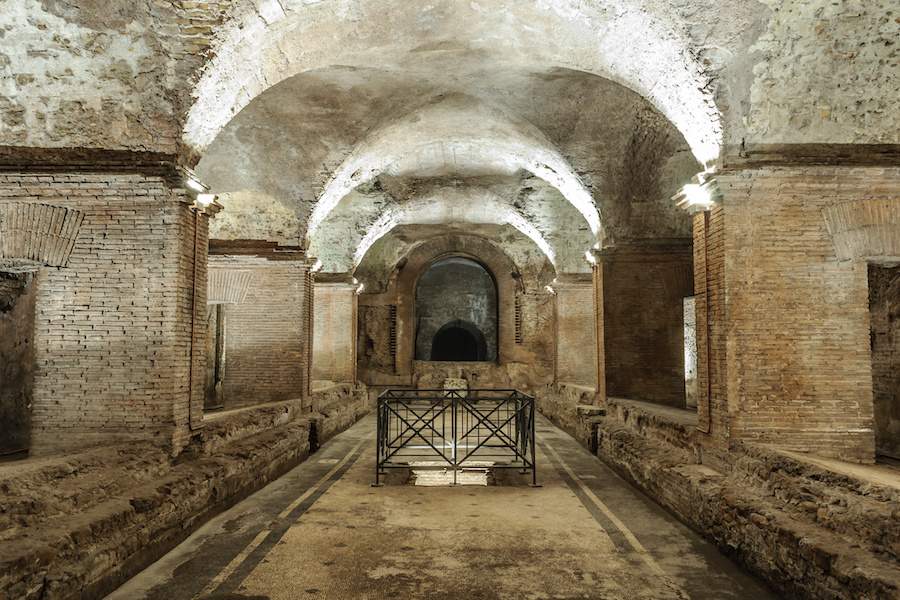
Even the smallest discoveries speak volumes. Graffiti walls bearing prayers to St. Peter, lead pipes etched with Roman names, and remnants of everyday homes all paint a vivid portrait of life before Vatican Hill became Christianity’s heart.
As excavations continue—and as secret archives yield new documents—the Vatican’s underground world keeps rewriting history. Layer by layer, it tells a story not just of faith, but of humanity itself, waiting patiently beneath the marble for its voice to be heard.