The Beatles are often spoken about as if their catalog is flawless—a run of albums so revolutionary that criticism feels almost sacrilegious. But John Lennon didn’t see it that way. In fact, Lennon was brutally honest about which Beatles records he believed sounded bad, even calling parts of their work “embarrassing.”
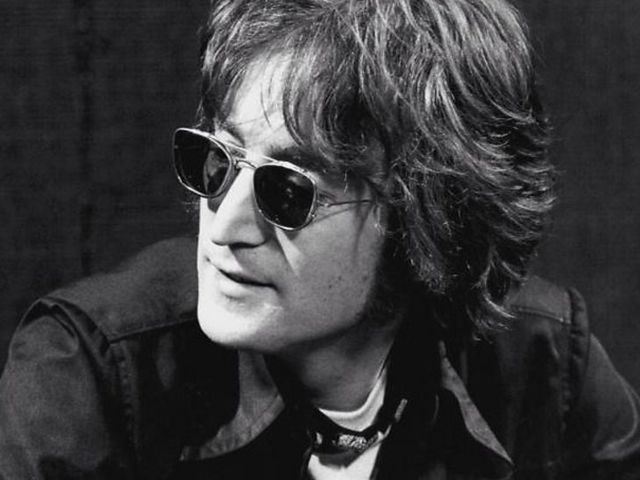
Lennon’s harshest criticism wasn’t aimed at songwriting or performance, but at sound quality and production—the technical side of the records that, in his view, failed to match the band’s ambition.
One of his biggest frustrations was with Beatles for Sale (1964). Recorded during a relentless touring schedule, the album was rushed and uneven. Lennon later admitted the band was exhausted and creatively drained at the time. The result, to him, sounded thin and uninspired—an album made out of obligation rather than inspiration. While fans still find charm in its folk-leaning tracks, Lennon saw it as proof of a band being pushed too hard, too fast.

He was even more critical of Help! (1965). Despite its massive success, Lennon famously disliked both the album and the film, once saying the whole thing felt like a mistake. The production, in his eyes, lacked depth and punch, and the songs didn’t sound as strong as they could have. Ironically, Help! contains some of Lennon’s most emotionally honest writing—but he believed the sound buried that honesty instead of elevating it.
Perhaps most surprising was his discomfort with parts of Let It Be. Though the album is now revered, Lennon despised how producer Phil Spector handled the material, especially the heavy orchestration added after the band had essentially fallen apart. He felt the production distorted the Beatles’ original vision, making the music sound bloated rather than raw.

What makes Lennon’s criticism so striking is its fearlessness. He didn’t protect the Beatles’ legacy—even when it meant criticizing his own work. To Lennon, honesty mattered more than mythmaking. If something didn’t sound right, he said so.
Decades later, fans continue to debate his opinions. Some agree. Others passionately disagree. But Lennon’s words reveal a deeper truth: even the most legendary artists hear their work differently than the audience does.
To John Lennon, perfection wasn’t about nostalgia or sales. It was about whether the sound matched the feeling. And when it didn’t, he had no problem calling it exactly what he thought it was—embarrassing.