When Johnny Cash died, it didn’t just mark the passing of a legendary musician—it felt like the end of an era. On September 12, 2003, the Man in Black took his final breath at age 71, leaving behind a legacy so towering that it continues to cast a shadow over American music decades later.
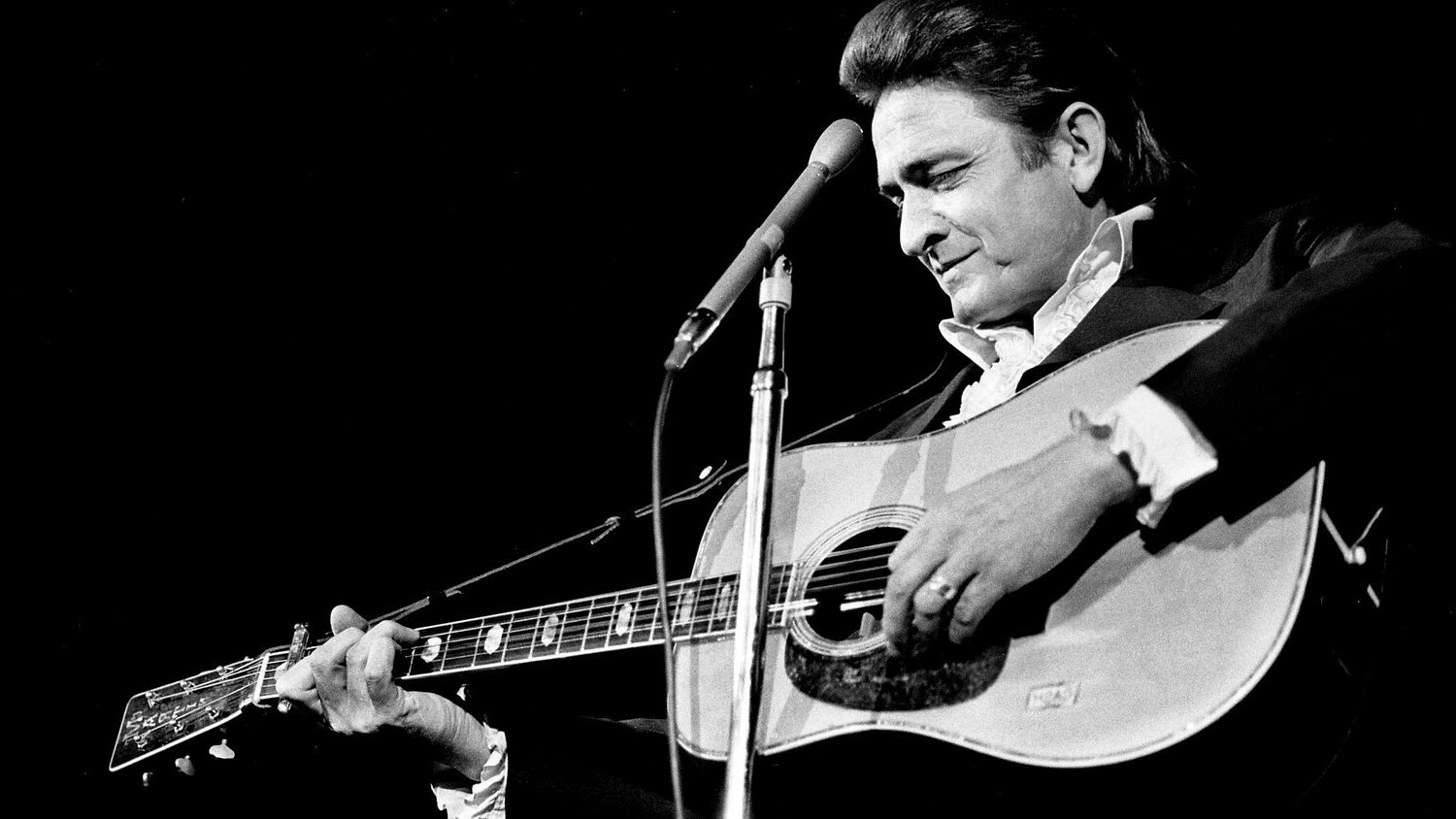
By the time of his death, Cash had already endured more loss than most legends. Just four months earlier, he had buried his wife and lifelong partner June Carter Cash, the emotional center of his life and career. Friends and family later said Johnny never truly recovered from losing her. His health, already fragile due to diabetes and complications from years of illness, declined rapidly afterward. To those closest to him, it felt less like he was fighting to survive—and more like he was preparing to follow her.
Cash died from complications related to diabetes at a hospital in Nashville, Tennessee. But reducing his death to a medical explanation misses the deeper truth. Johnny Cash didn’t simply fade away—he closed the final chapter of a life lived in extremes: fame and exile, faith and doubt, addiction and redemption.
What makes Cash’s passing especially haunting is how clearly he seemed to anticipate it. In the final years of his life, he recorded the now-iconic American Recordings albums with producer Rick Rubin. Stripped of gloss and production, these records revealed an aging voice cracked with mortality. His final music didn’t chase relevance—it confronted death head-on.

Nothing captured that reckoning more powerfully than his cover of “Hurt.” Released just months before his death, the song felt like a farewell letter set to music. The accompanying video—featuring a frail Cash surrounded by memories—has since become one of the most devastating music videos ever recorded. Even Trent Reznor later admitted the song no longer felt like his.
When news of Cash’s death broke, tributes poured in from every corner of the music world. Rock artists, country legends, punk musicians, and poets all claimed him as one of their own. Few artists ever bridged genres so completely—and fewer still did it without compromising their identity.
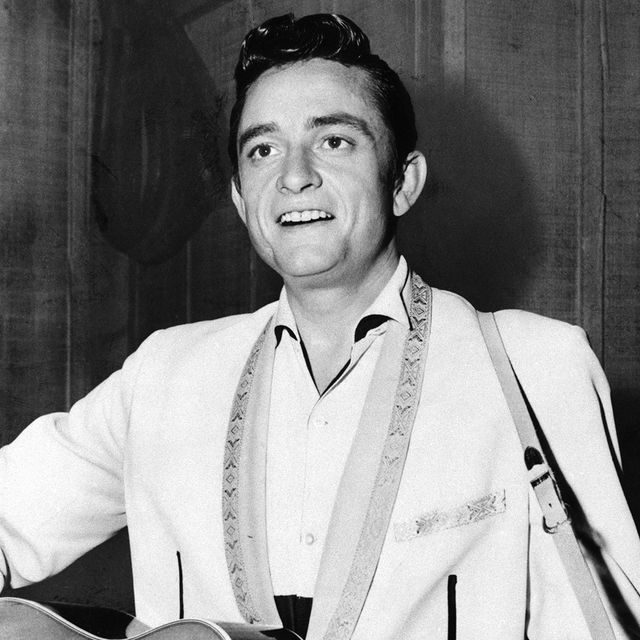
Johnny Cash was never polished. He was honest. He sang for prisoners, outcasts, sinners, and saints alike. And in the end, his death felt heartbreakingly consistent with his life: quiet, heavy, and full of meaning.
The Man in Black may have fallen silent in 2003—but his voice, rough and unflinching, still echoes wherever truth matters more than perfection.