For centuries, Queen Hatshepsut stood as one of ancient Egypt’s most powerful yet enigmatic rulers — a woman who ruled as pharaoh in a man’s world, then seemingly vanished into history. Now, a groundbreaking scientific breakthrough has finally confirmed her identity through DNA analysis, rewriting long-held assumptions about her life, her burial, and her death.

In a discovery that has sent shockwaves through Egyptology, scientists have confirmed that a mummy found in Tomb KV60 is indeed Hatshepsut herself. For decades, historians believed the queen was buried in her grand royal tomb, KV20, in the Valley of the Kings. That narrative has now collapsed.
The identification was made by a multidisciplinary team led by Egypt’s former antiquities chief, Dr. Zahi Hawass, using cutting-edge DNA and forensic techniques. Genetic material taken from the KV60 mummy was compared with remains from known royal relatives. The decisive evidence came from a direct maternal DNA match to Queen Ahmose Nefertari, Hatshepsut’s grandmother — a genetic link strong enough to end the debate once and for all.
CT scans revealed a woman in her late 40s, aligning precisely with historical records of Hatshepsut’s age at death around 1448 B.C.E. But the most unsettling revelations came from inside her bones. Scientists found clear signs of advanced bone cancer, along with metabolic disorders that suggest she endured severe physical suffering during her final years.
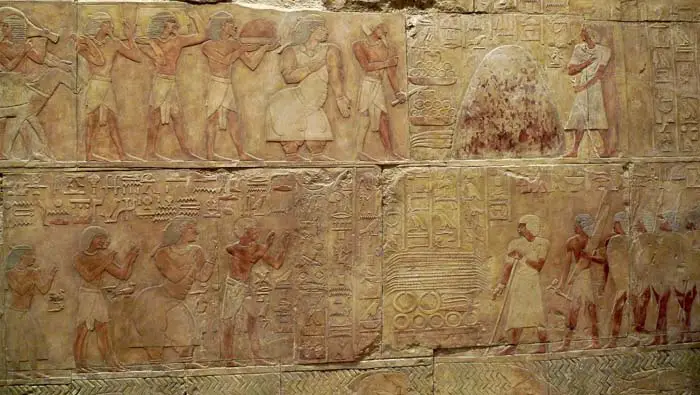
Even more disturbing was the discovery of a possible cause. Researchers analyzed residue from a cosmetic jar linked to Hatshepsut and detected benzopyrene, a known carcinogen. The substance, likely used in medicinal or cosmetic treatments, may have inadvertently contributed to her illness — a tragic irony for a ruler at the height of ancient medical knowledge.
These findings challenge long-standing theories that Hatshepsut was assassinated or politically overthrown. Instead, the evidence points to a slow, painful decline caused by disease — not betrayal.
With her identity now scientifically confirmed, historians are reevaluating Hatshepsut’s legacy. Once dismissed as a usurper, she is increasingly recognized as a brilliant and stabilizing ruler who ushered in prosperity, commissioned monumental architecture, and launched legendary trade expeditions, including Egypt’s famed voyage to the Land of Punt.

This discovery is more than an archaeological triumph. It is a moment where modern science restores a silenced voice from antiquity. After thousands of years, Queen Hatshepsut has finally stepped out of the shadows — not as a mystery, but as a fully realized human being.
History tried to forget her. DNA would not let it.