Fierce confrontation raises urgent questions about public trust, funding, and whether the BBC can survive a rapidly changing media landscape
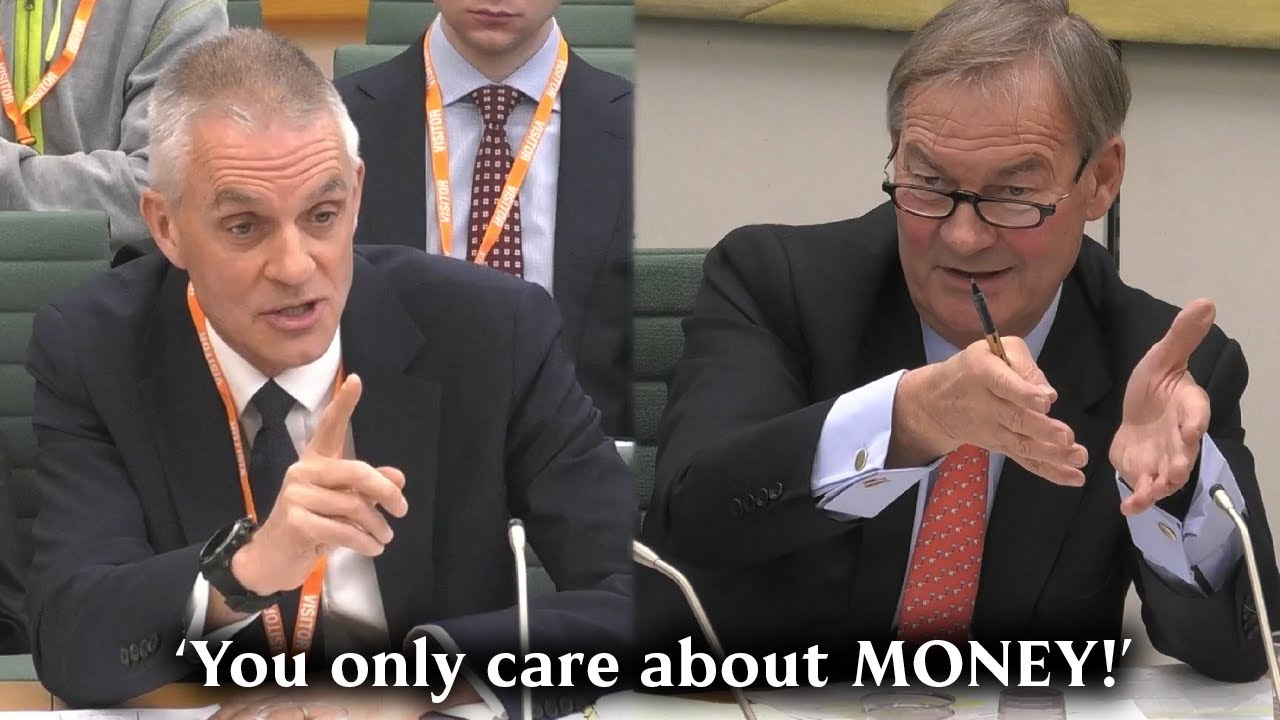
A dramatic confrontation has erupted over the future of Britain’s national broadcaster after Rupert Lowe launched a blistering attack on senior leadership at the BBC, accusing the corporation of losing public trust, mismanaging taxpayer money, and failing to adapt to the digital revolution reshaping global media.
The heated exchange unfolded during a tense public debate, instantly igniting wider scrutiny of the BBC’s relevance in an era dominated by fast-moving digital platforms and declining engagement among younger audiences.
Lowe Challenges BBC’s Relevance in the Digital Era
Lowe did not hold back as he confronted the BBC’s top executive, questioning whether the broadcaster still understands the audience it is meant to serve. He argued that the corporation is clinging to outdated institutional thinking while the media world evolves at breakneck speed.
Drawing a sharp contrast with technology-driven platforms, Lowe referenced the pace of innovation seen on services such as X, owned by Elon Musk, warning that legacy broadcasters risk irrelevance if they fail to modernize.
According to Lowe, the BBC’s traditional model of expanding budgets and headcount reflects a “state entity mindset” ill-suited to the realities of digital consumption, where agility and efficiency matter more than scale.
Falling Trust and a Generational Disconnect
At the heart of Lowe’s criticism was a stark warning about trust. Citing recent figures, he highlighted that only around half of young people now rely on the BBC for news, describing the statistic as alarming for a publicly funded institution.
He argued that declining youth engagement signals a deeper crisis, one that cannot be solved by increased spending alone. For Lowe, the issue is not just relevance but credibility, insisting that the BBC’s resistance to meaningful reform undermines its public service mission.
Taxpayers, he said, deserve transparency and proof that their money is being used wisely in a media environment where alternatives are plentiful and often free.

BBC Leadership Pushes Back
The BBC’s senior executive pushed back strongly, defending the organisation’s role as a global public service broadcaster. Emphasising the scale and reach of its journalism, the executive pointed to reporters working in difficult and often dangerous conditions worldwide, including hundreds from the World Service currently operating in exile.
He argued that quality journalism, accountability, and global reach cannot simply be replicated by technology platforms driven by algorithms and engagement metrics. Trust in the BBC, he maintained, remains strong across many demographics and international audiences.
Efficiency, Innovation, and the Monopoly Question
Unconvinced, Lowe pressed the issue of efficiency, arguing that the digital revolution demands smarter decision-making rather than larger payrolls. He challenged the BBC to prove it can innovate, allocate resources effectively, and justify its funding model without relying on its dominant position.
Invoking Britain’s long-standing skepticism toward monopolies, Lowe warned that public tolerance for an untouchable national broadcaster is fading. He insisted that if the BBC wishes to maintain its privileged status, it must demonstrate transparency, adaptability, and measurable value for money.
BBC leadership countered by noting recent efforts to modernize, including significant reductions in staff numbers over the past few years. Still, the exchange made clear that fundamental disagreements remain over the pace and depth of reform.
A Broadcaster at a Crossroads
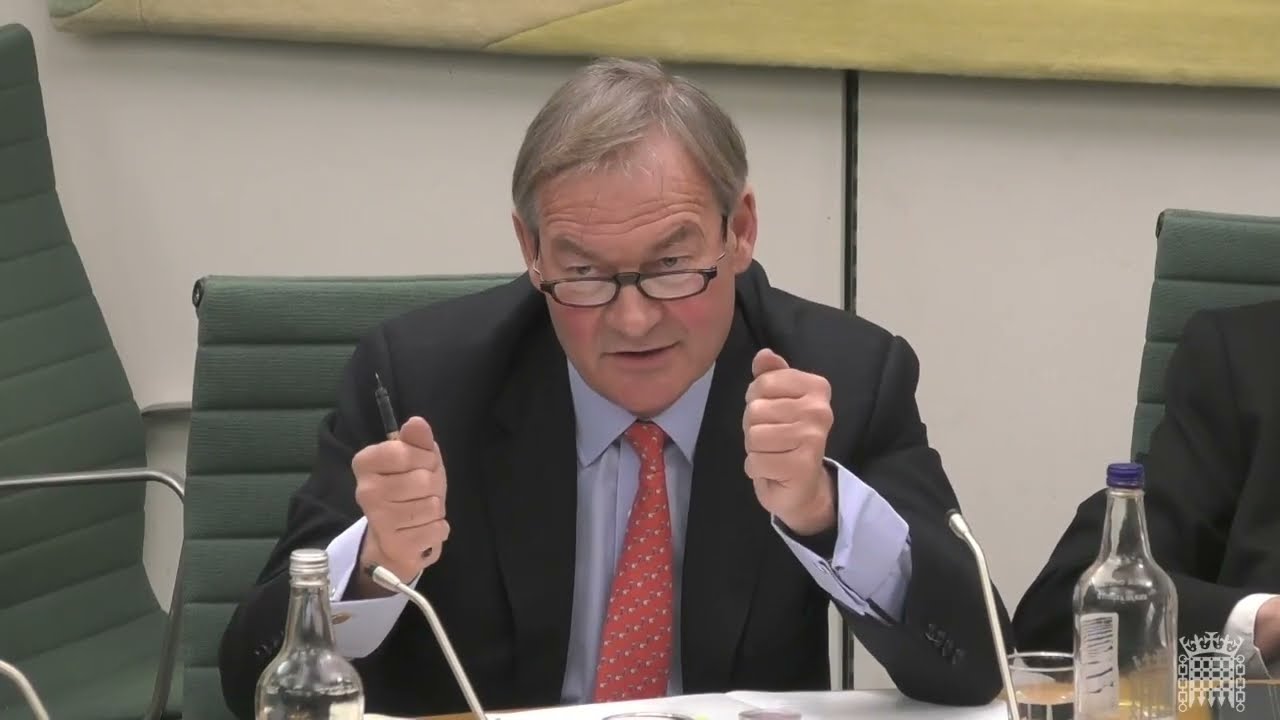
As the confrontation drew to a close, the tension underscored a pivotal moment for British broadcasting. Lowe’s closing remarks carried a stark warning about complacency in the face of rapid digital disruption, suggesting that failure to act decisively could erode the BBC’s standing beyond repair.
The clash reflects a wider national debate about how public institutions should function in a digital-first world, where trust is fragile and competition relentless. For the BBC, the challenge is now unmistakable: reconcile its historic public service role with urgent demands for innovation, transparency, and renewed public confidence.
How the broadcaster responds to this mounting pressure may determine not only its future relevance but also its legitimacy in the eyes of a generation that increasingly looks elsewhere for news, information, and connection.