Fierce confrontation reignites debate over the BBC’s relevance, funding, and survival in the digital age
A dramatic showdown unfolded today as Rupert Lowe delivered a scathing public attack on the BBC’s leadership, declaring bluntly that trust in the national broadcaster is collapsing. His explosive remarks, aimed directly at Tim Davie, have reignited urgent questions about the BBC’s future as younger audiences increasingly turn away from traditional public service media.
The clash cut to the heart of a growing national debate: whether the BBC can still justify its scale, funding model, and monopoly status in a media landscape dominated by digital platforms and shifting consumption habits.
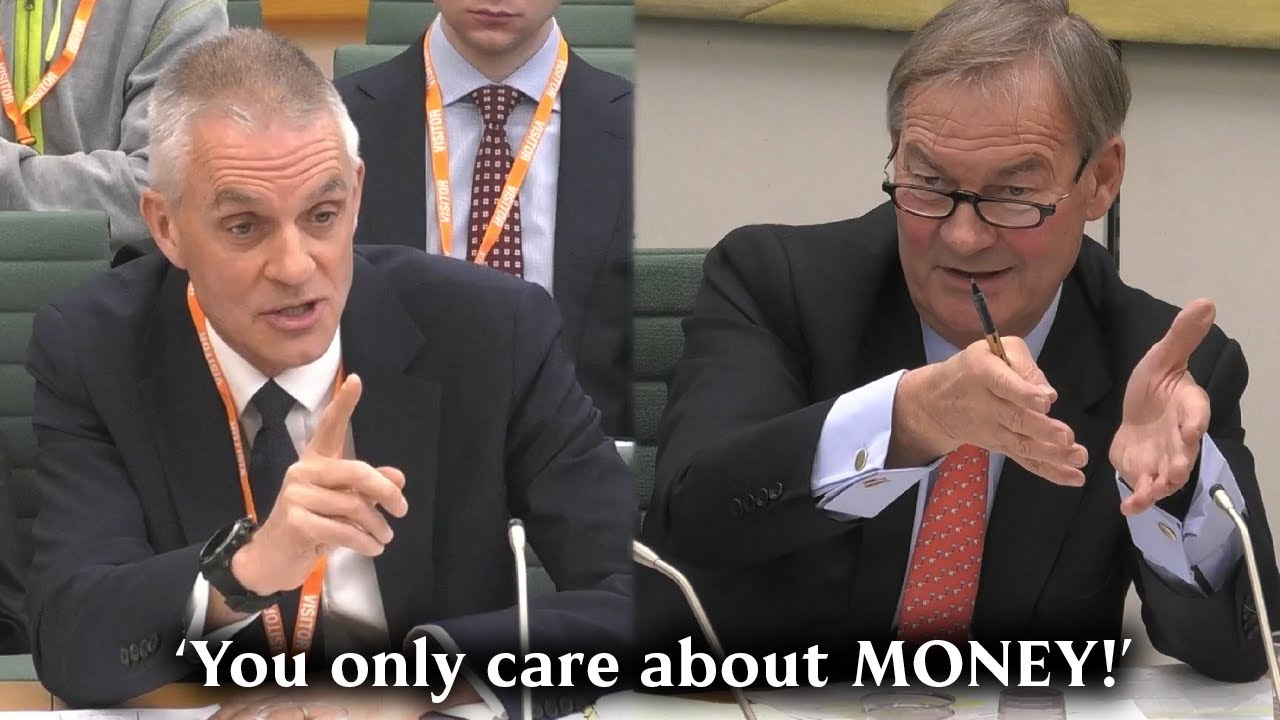
“Only 51% of Young People”: A Statistic That Sparked the Firestorm
Lowe’s most striking accusation centered on the BBC’s failure to connect with younger audiences. He cited internal figures showing that just over half of young people now rely on the broadcaster for news.
“Only 51% of young people get their information from the BBC. That is a shocking statistic,”
Lowe said, pressing the point that trust and relevance are eroding fast.
The remark landed heavily, amplifying concerns that the BBC is losing its grip on the very generation that will determine its long-term survival.
A Direct Challenge to BBC Leadership and Culture
Lowe did not limit his criticism to audience figures. He accused the BBC of clinging to outdated structures and bureaucratic thinking, arguing that simply demanding more funding is no longer credible.
“You don’t necessarily need more cash; you need more intellect,”
he said, urging a radical rethink of how the organisation is run.
Drawing a comparison with Elon Musk’s aggressive cost-cutting at X, Lowe argued that legacy media institutions must become leaner, smarter, and more adaptive if they hope to compete in the digital era.

Tim Davie Pushes Back: “Journalism Can’t Be Replaced by Tech”
In response, Davie mounted a firm defence of the BBC’s public service mission. He stressed the organisation’s global reach and the role it plays in delivering trusted journalism under extreme conditions, including reporters working in exile.
He insisted that quality journalism cannot be replicated by technology alone,
and claimed that trust in the BBC remains strong across many parts of the world.
Davie also pointed to workforce reductions already made in recent years, pushing back against claims that the BBC is unwilling to reform or cut costs.
Monopoly Under Fire: A Broader Political Reckoning
The exchange quickly escalated into a wider ideological clash. Lowe questioned whether the BBC’s monopoly position is still defensible, invoking Britain’s historical suspicion of powerful institutions that fail to adapt.
“You will be the first monopoly in history to dismantle yourself willingly,”
he warned, challenging the BBC to prove it can reform before public support collapses.
His remarks framed the issue as not just a media debate, but a matter of accountability to taxpayers who fund the broadcaster.
Efficiency, Trust, and the Taxpayer Question
Lowe repeatedly returned to the issue of value for money, arguing that taxpayers are being shortchanged by inefficiency and inertia.
“The taxpayer is on the wrong end of this deal,”
he said, calling for transparency and smarter use of resources rather than expanding headcount.
While Davie acknowledged the pressures facing traditional broadcasters, critics note that internal data continues to show declining engagement among younger audiences who increasingly favour digital-first platforms.

A Turning Point for the BBC?
The confrontation ended with a stark warning from Lowe: without deep structural change, the BBC risks losing the trust that has underpinned its authority for generations. The exchange has been widely interpreted as a sign that patience is wearing thin among politicians and the public alike.
This clash highlights a pivotal moment for the BBC. As digital platforms reshape how information is consumed, the broadcaster faces mounting pressure to modernise while preserving its core journalistic values.
Whether today’s blistering exchange becomes a catalyst for genuine reform—or simply another flashpoint in a long-running debate—remains to be seen. What is clear is that the question of trust, relevance, and public value now sits at the centre of the BBC’s future.