When The Beatles officially broke up in 1970, the music world assumed Paul McCartney would seamlessly step into a solo career. After all, he was one of the greatest songwriters of the 20th century, a man whose melodies had already reshaped popular music. But behind the legend was a quieter, more human truth: Paul McCartney was scared — genuinely scared — to go it alone.
In a resurfaced interview with British television host Terry Wogan, McCartney admitted that the idea of performing solo after The Beatles felt “terrifying.” Not creatively, but emotionally. For years, he had shared the stage with John, George, and Ringo. Suddenly, the safety net was gone.
McCartney explained that his biggest fear wasn’t failure — it was losing his voice and confidence altogether. He worried that stepping away from regular performing would cause his instincts to fade. “If I don’t keep singing,” he said, “after a couple of years, I’m going to find I can’t sing.” To McCartney, music was like a muscle: stop using it, and you risk losing it.
Ironically, the idea of standing alone onstage felt more frightening than starting over with a band. McCartney confessed he rarely performed truly solo, and when he did, it didn’t go smoothly. His most infamous example came at Live Aid in 1985, when his microphone failed during a globally televised performance. Millions watched as he continued singing, unaware that no one could hear him. “That was terrifying,” he later said — a nightmare scenario for any artist, let alone a former Beatle.
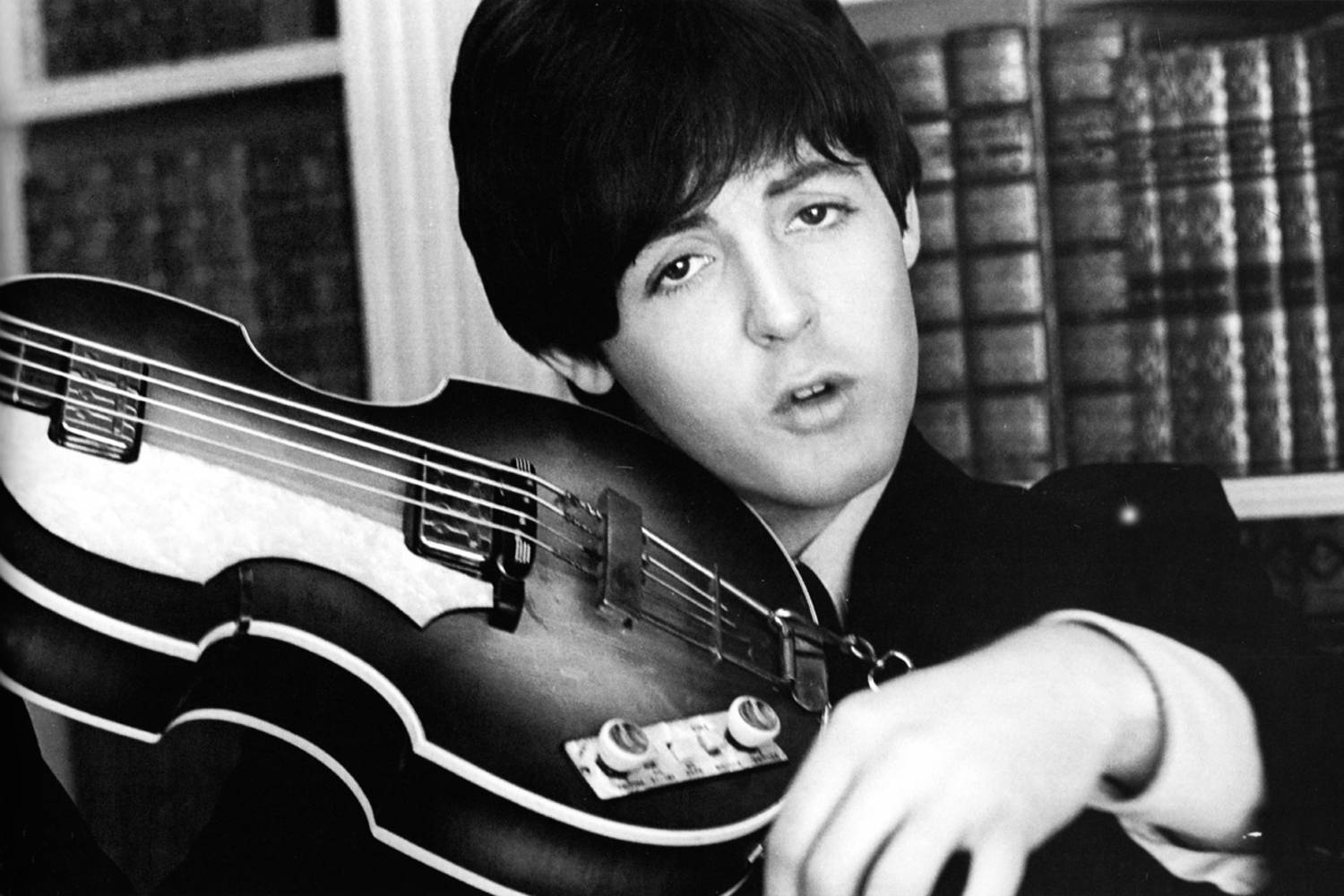
Even Live Aid organizer Bob Geldof recalled that McCartney was visibly nervous backstage. At the time, Paul hadn’t performed live in years, and the emotional weight of appearing publicly after John Lennon’s death only intensified the pressure.
Instead of diving into a traditional solo career, McCartney chose collaboration. He formed Wings with his wife Linda McCartney and other musicians, embracing the band dynamic that had always made him feel grounded. The shared energy, the creative exchange, and the emotional support mattered more than standing alone in the spotlight.
That choice paid off. Wings became one of the most successful bands of the 1970s, producing classics like “Band on the Run” and “Maybe I’m Amazed.” Over time, McCartney would grow comfortable performing under his own name — but only after rebuilding his confidence on his own terms.

Today, Paul McCartney’s legacy feels untouchable. Yet his confession is a powerful reminder: even icons wrestle with fear, doubt, and vulnerability. Sometimes, the bravest move isn’t going solo — it’s knowing when you still need others by your side. 🎶