In the history of country music, few artists have managed to bridge generations, genres, and emotions quite like Ronnie Milsap. Blind since birth, Milsap didn’t just overcome obstacles — he reshaped what country music could sound like. With a career spanning decades and more than 40 No. 1 hits, his influence is undeniable. But if anyone still questions his place among the all-time greats, these songs tell the story better than any statistic ever could.

One of the clearest examples is “Smoky Mountain Rain.” Released in 1980, the song blended country storytelling with pop polish in a way that felt effortless and emotionally raw. It wasn’t just a chart-topper — it was cinematic. The sound of rain, the aching vocal delivery, and the sense of longing turned the track into a timeless heartbreak anthem that still resonates today.
Then there’s “It Was Almost Like a Song.” This track showcased Milsap’s rare ability to sit right at the intersection of country and adult contemporary music. Tender, reflective, and deeply personal, the song proved he didn’t need bombast to make an impact. His voice carried vulnerability without weakness, a balance few artists ever master.

Another career-defining moment came with “Stranger in My House.” Darker in tone and psychologically intense, the song pushed boundaries for country music in the 1980s. It wasn’t just about lost love — it was about identity, betrayal, and emotional displacement. Milsap’s delivery turned the track into a haunting experience, proving he could take risks and still dominate the charts.
And of course, “I Wouldn’t Have Missed It for the World” reminded listeners why Milsap was such a crossover force. Warm, nostalgic, and universally relatable, the song felt like a conversation with an old friend. It captured love, regret, and gratitude all at once — themes that define the best country music.
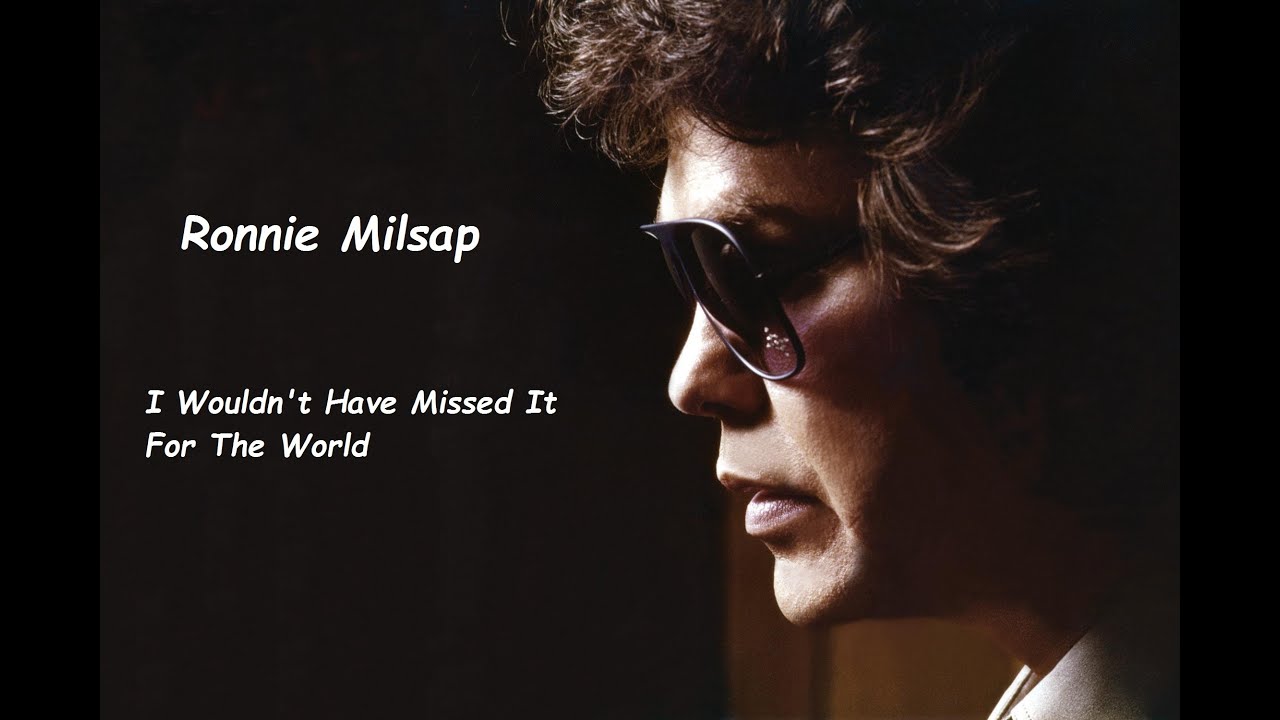
What makes Ronnie Milsap truly legendary isn’t just his success, but his versatility. He brought soul, pop, R&B, and country together without losing authenticity. He expanded the sound of Nashville while staying rooted in emotional truth.
Decades later, his songs still feel alive — played on the radio, covered by new artists, and rediscovered by younger listeners. Ronnie Milsap didn’t just make hits. He built a legacy, one song at a time — and country music is richer because of it.