Few figures in music history are as paradoxical as Lou Reed — the avant-garde visionary who helped shape rock music while openly rejecting the genre he became synonymous with. As the frontman of The Velvet Underground, Reed didn’t just challenge rock ’n’ roll conventions — he questioned whether he ever belonged to them at all.
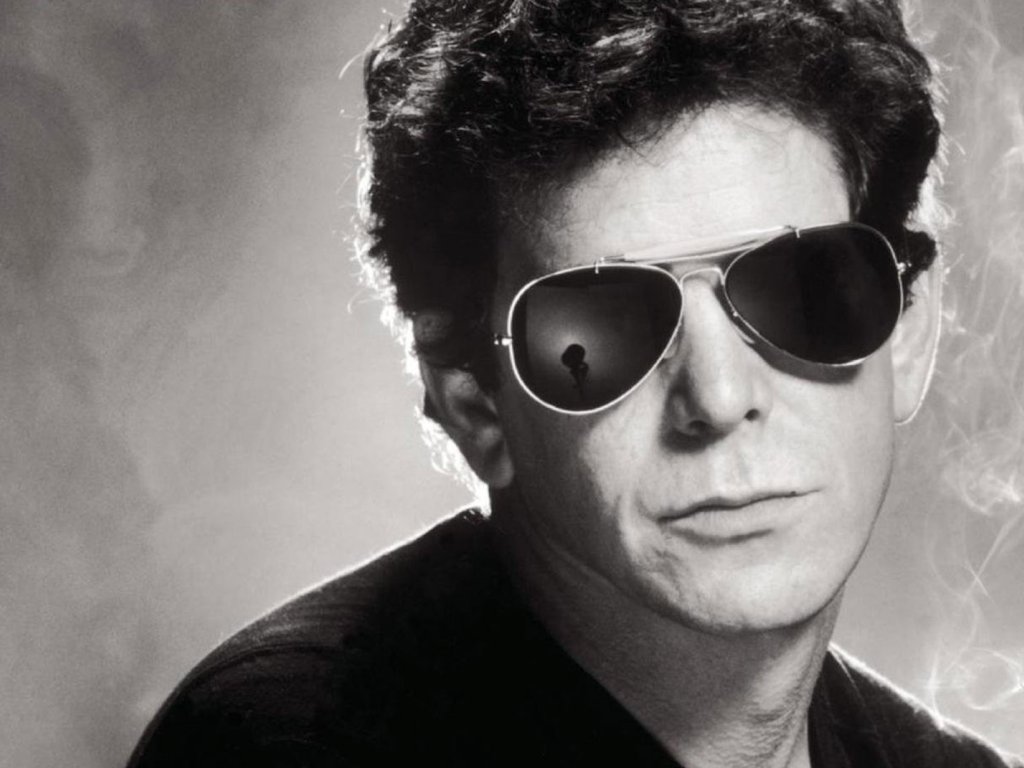
In interviews over the years, Reed was blunt about it: “Everybody in the band hated rock ’n’ roll.” For fans raised on distorted guitars and rebellious swagger, the statement sounded almost heretical. But for Reed and his bandmates, rock wasn’t the destination — it was merely a vehicle.
Formed in the mid-1960s and famously aligned with Andy Warhol, The Velvet Underground existed far outside the mainstream. While other rock bands chased chart success and youth rebellion, Reed was writing songs about addiction, urban alienation, sexuality, and emotional numbness — topics that made radio programmers uneasy and critics divided.
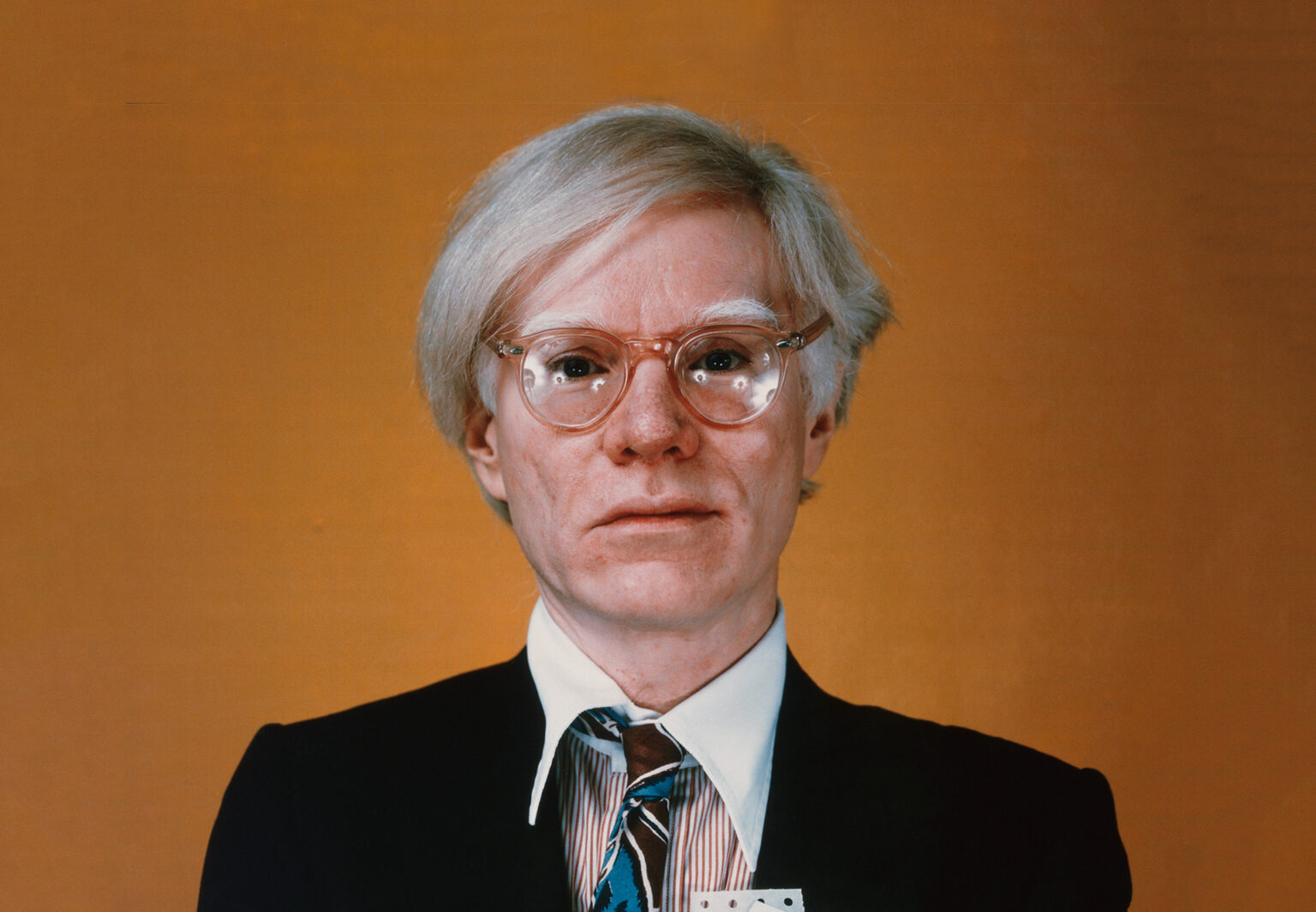
Reed’s frustration stemmed from how rock ’n’ roll had become formulaic in his eyes. He saw it as creatively limiting, overly sentimental, and obsessed with performance rather than ideas. What he wanted instead was art, experimentation, and honesty — even if it made listeners uncomfortable.
Ironically, that rejection of rock values is exactly what made The Velvet Underground so influential. Their raw minimalism, droning guitars, and confrontational lyrics laid the groundwork for punk, alternative, and indie music decades later. Bands from The Ramones to Nirvana would later cite Reed and the Velvets as foundational inspirations.
Yet Reed never softened his stance. Even during his solo success with “Walk on the Wild Side,” he resisted being boxed into any genre label. He preferred to be seen as a writer, a poet, a provocateur — not a rock star. Fame, in his view, distorted art rather than validating it.
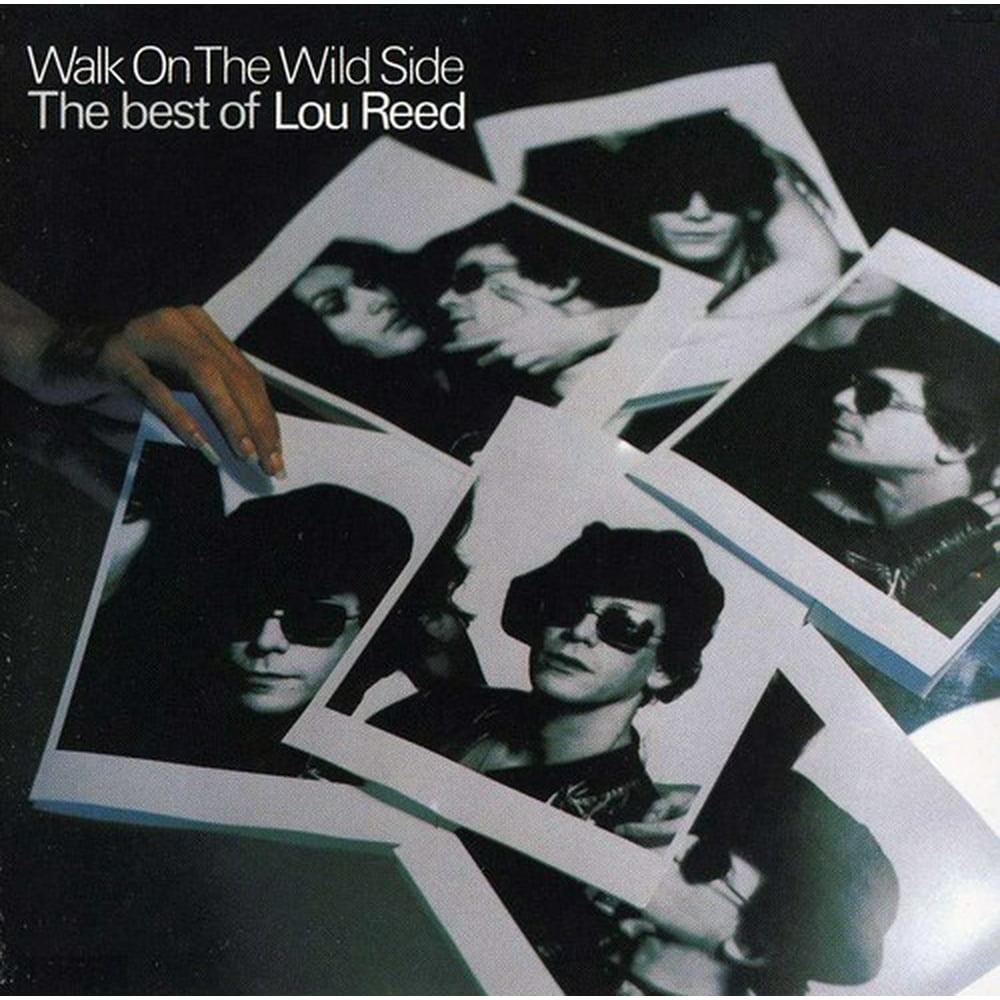
This tension followed Reed throughout his career. Critics often struggled to categorize him, while fans argued over whether he was a rock legend or something entirely separate. Reed himself seemed uninterested in settling the debate. To him, categories were distractions.
Looking back, Reed’s disdain for rock ’n’ roll wasn’t hypocrisy — it was principle. He believed music should challenge comfort, not reinforce it. And if rock music became the tool to do that, so be it — even if he never truly embraced the label.
In the end, Lou Reed’s legacy isn’t defined by the genre he rejected, but by the boundaries he shattered. He proved that you don’t have to love a genre to change it forever — sometimes, it takes someone who refuses to play by the rules to rewrite them entirely.