What was once dismissed as ancient prophecy is now drawing intense global attention, as momentum surrounding the potential construction of a Third Jewish Temple in Jerusalem appears to be growing—alongside a series of unsettling world events that many believe are anything but coincidental.

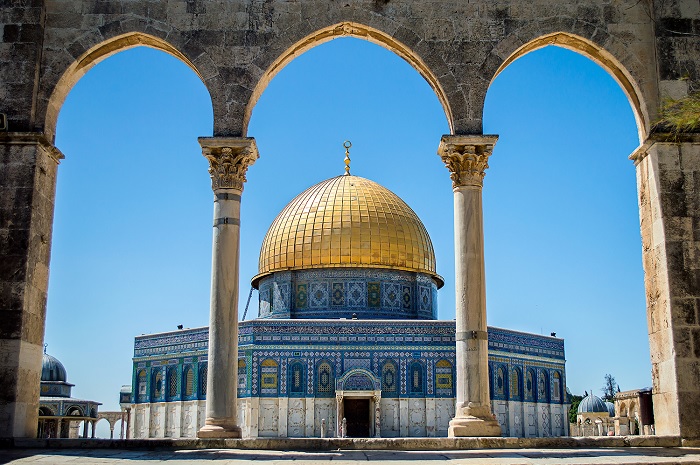
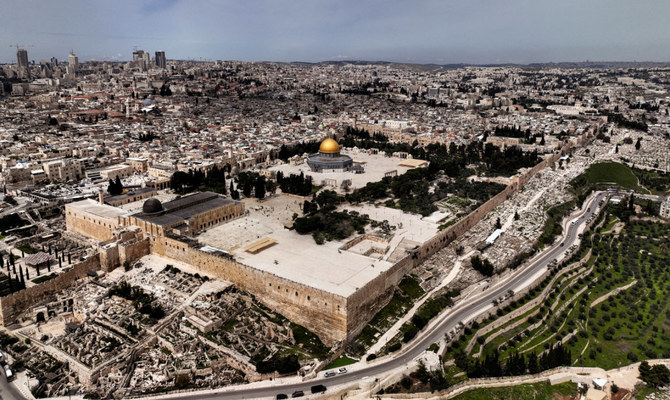
At the heart of the controversy lies the Temple Mount, one of the most sacred and contested sites on Earth. It was once home to the First and Second Jewish Temples, before becoming the location of Islam’s Al-Aqsa Mosque and the Dome of the Rock, which have stood there for centuries. Today, a growing number of religious Jewish groups are openly advocating for reclaiming the site to build a Third Temple, an act they believe would usher in the Messianic Age.
Fueling this belief are recent archaeological discoveries that researchers claim closely match descriptions found in texts written more than 2,000 years ago. These findings have sent shockwaves through both religious and academic circles, prompting renewed debate over whether history itself is aligning with ancient prophecy.
Adding to the sense of urgency is the alarming drying up of the Euphrates River, a phenomenon many view as a fulfillment of biblical prophecy described in the Book of Revelation. While scientists point to climate change and regional water management as the cause, prophetic believers interpret the river’s decline as a powerful sign that major spiritual events are approaching.
Global instability has only intensified these interpretations. Rising conflicts, particularly in the Middle East, mirror warnings found in ancient scripture, leading some to believe the world has entered a prophetic timeline marked by war, unrest, and divine reckoning.
One of the most striking developments involves the red heifer, a rare animal required for ritual purification before temple worship can be restored. After decades of searching, a candidate reportedly meeting the strict biblical criteria has been identified. For temple-focused organizations, this discovery represents a critical step toward rebuilding the temple and resuming ancient rites—an event with profound implications for both Jewish and Christian believers.
Politically, the situation remains dangerously volatile. Any discussion of altering the status of the Dome of the Rock triggers fierce opposition across the Muslim world, raising fears of widespread religious conflict. The Temple Mount remains a flashpoint where even symbolic actions carry explosive consequences.
That tension was heightened when former Israeli Knesset member Moshe Feiglin publicly carved a cornerstone intended for the Third Temple. To supporters, the act symbolized hope and divine destiny. To critics, it was a provocative gesture that could inflame already fragile relations.
Meanwhile, organizations such as the Temple Institute and Temple Mount Faithful continue preparing temple vessels, priestly garments, and ritual objects—clear signs that this movement is not merely symbolic, but increasingly tangible.
As the world watches Jerusalem with growing unease, one haunting question remains: Are ancient prophecies unfolding in real time?
Caught between faith, politics, and fear, Jerusalem once again stands as a city where history and destiny collide—its next chapter potentially shaping the future of the world.