A breathtaking archaeological discovery in Turkey is sending shockwaves through the academic world — and captivating history lovers everywhere. Deep within the ancient city of Gordion, researchers have uncovered a sealed burial chamber dating back 2,800 years, a find many believe could be connected to the era — or even the inner circle — of the legendary King Midas.
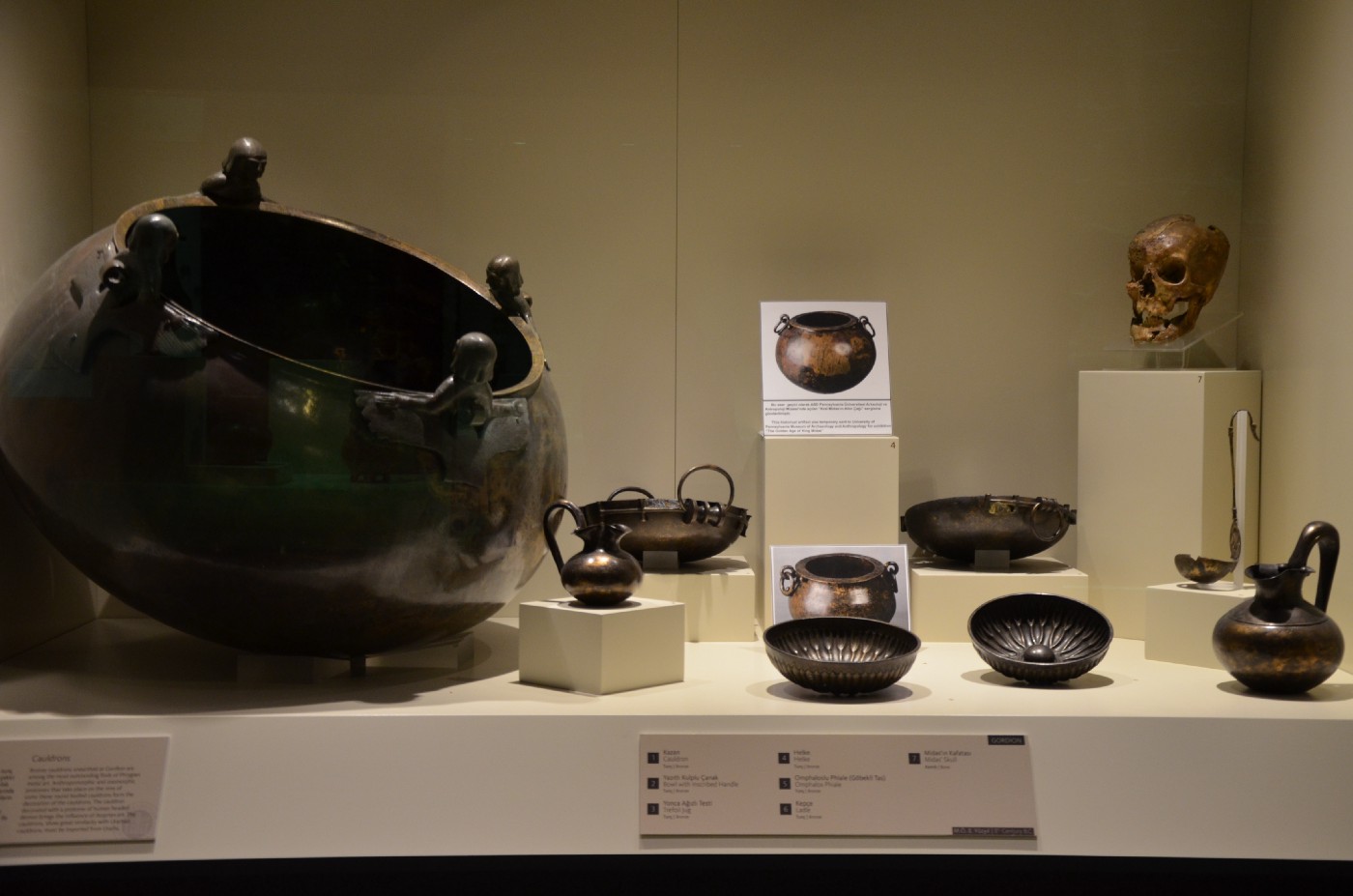
The discovery was made by a joint excavation team led by the Penn Museum, and what they found inside the chamber is nothing short of extraordinary. The tomb contained 88 remarkably preserved artifacts, including bronze vessels, iron tools, and ceremonial objects, all dating to the same period as the oldest known wooden structure on Earth, also located at Gordion. Together, the finds paint a vivid picture of a highly advanced civilization thriving centuries before modern engineering.
Experts suggest the artifacts were used in a ritual feast, possibly honoring a royal or elite figure closely tied to King Midas himself. Turkish Minister of Culture and Tourism Mehmet Nuri Ersoy called the discovery the most significant concentration of artifacts found since the original Midas mound, elevating its importance far beyond a typical tomb excavation.
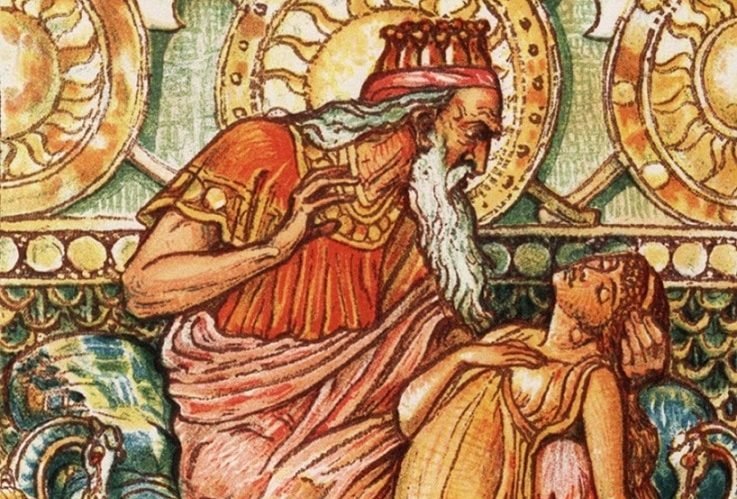
Gordion is already steeped in legend. It is famously associated with the Gordian Knot, a mythical puzzle tied to King Gordius and later “solved” by Alexander the Great with a sword stroke. This powerful blend of myth and material evidence is now becoming increasingly tangible as archaeology continues to peel back the layers of history.
But the surprises don’t stop there.
Hundreds of miles away in Turkey’s Midyat district, workers cleaning old streets stumbled upon something entirely unexpected: a vast underground city, now known as Matiate. Initial excavations have revealed 49 rooms, including worship spaces and storage chambers, but experts believe this is only a fraction of its true size.
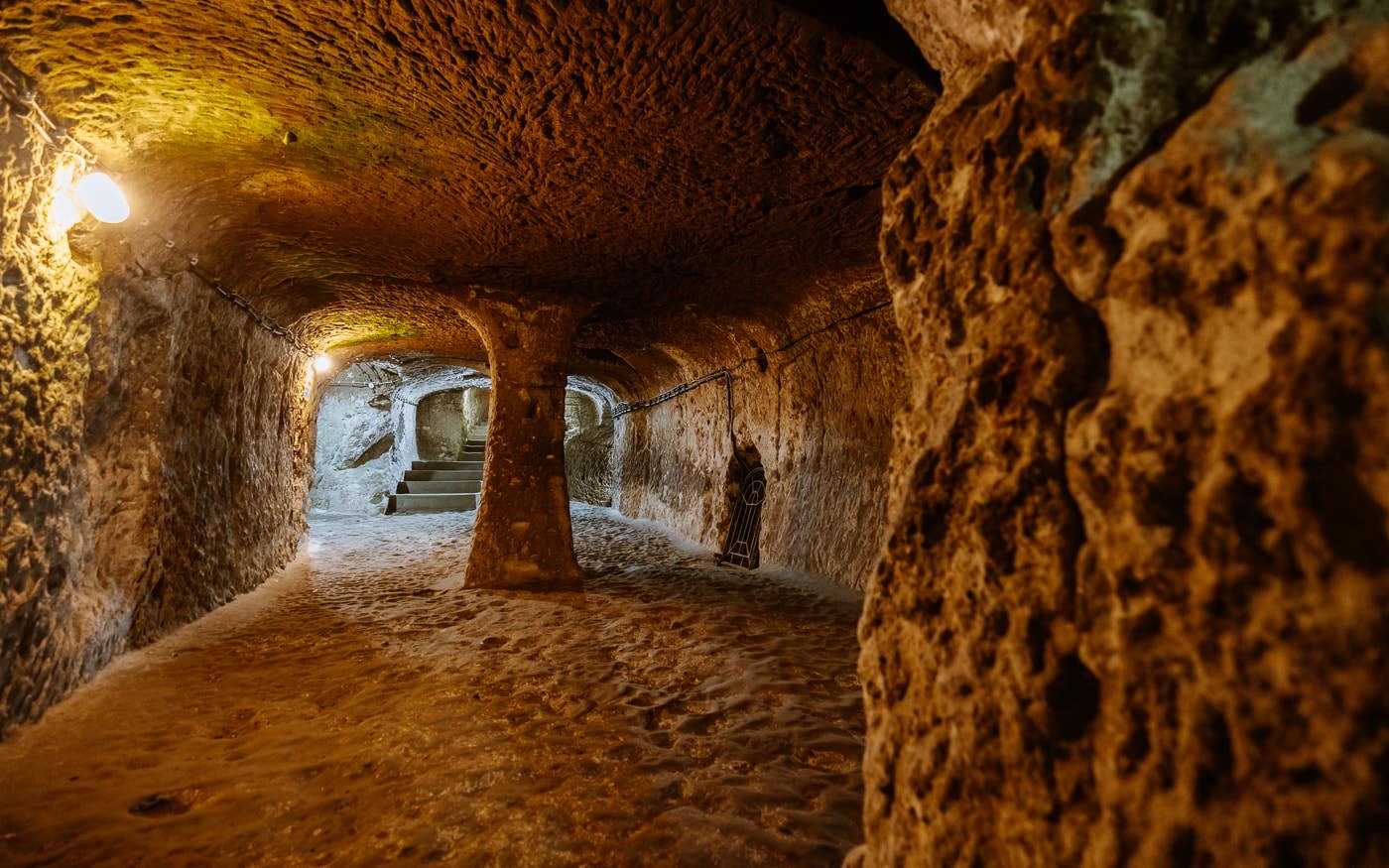
Early estimates suggest Matiate may have once housed up to 70,000 people, potentially dwarfing even the famous underground city of Derinkuyu, long thought to be Turkey’s largest subterranean settlement.
With nearly 40 known underground cities already identified across the country, Matiate could redefine what historians know about ancient urban life — and raise new questions about how and why entire populations once lived beneath the surface.
From royal tombs to hidden cities, Turkey is rapidly emerging as one of the most explosive archaeological frontiers on the planet. As excavations continue, one thing is becoming clear: some of humanity’s greatest stories are still buried — waiting to be uncovered.