 Did NASA Really Shut Down James Webb After a Shocking Discovery on Mercury?
The headline detonated across the internet with the force of a cosmic explosion: NASA shut down the James Webb Space Telescope after it revealed what is hidden on Mercury.
Within hours, the claim had been repeated thousands of times, wrapped in ominous language and breathless speculation.
Screens filled with theories about ancient structures, forbidden discoveries, and emergency shutdowns ordered from the highest levels.
It sounded like the ultimate space mystery.
It was also profoundly misleading.
To understand why the story spread so fast, and why scientists reacted with equal parts frustration and concern, it helps to separate drama from reality.
Because while something did happen involving Mercury, the James Webb Space Telescope, and NASA, the truth is far more grounded—and far more revealing about how misinformation thrives in the age of viral science.
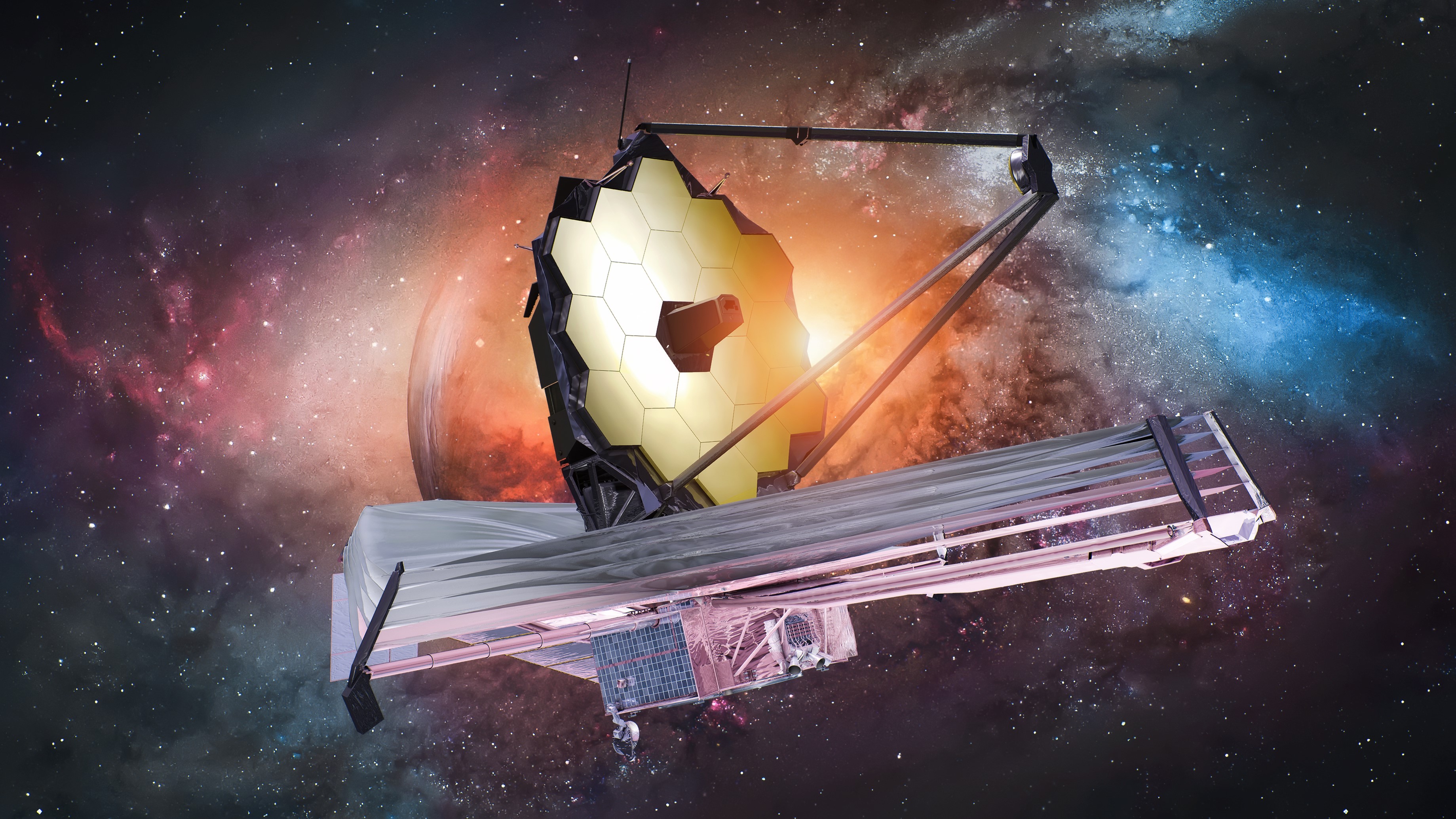
At the center of the storm is NASA and its most powerful observatory, the James Webb Space Telescope.
Since its launch, Webb has transformed astronomy, capturing unprecedented views of distant galaxies, exoplanet atmospheres, and stellar nurseries.
Its success has made it a magnet for exaggerated claims.
When something is this advanced, people assume it can see everything.
It cannot.
Mercury, the innermost planet of our solar system, presents a unique challenge.
Observing Mercury is notoriously difficult because of its proximity to the Sun.
The intense solar glare makes direct observation dangerous for sensitive instruments.
Webb, designed primarily for deep-space infrared observations, is especially vulnerable to heat and sunlight.
Its operating rules strictly limit how close it can point toward the Sun.
This is where the rumor begins to crack.
James Webb did not secretly scan Mercury and uncover a hidden truth.
In fact, Webb is not designed to study Mercury’s surface in detail at all.
Previous missions, such as NASA’s MESSENGER spacecraft, mapped the planet extensively years ago.
Those missions revealed a world shaped by extreme temperatures, ancient volcanism, and a surprisingly complex geological history—but nothing that required a shutdown or secrecy.
So why did people believe NASA shut Webb down?
The answer lies in a routine, temporary pause that was distorted beyond recognition.
Like all space telescopes, Webb occasionally enters scheduled safing modes or operational adjustments.
These are not shutdowns.
They are standard procedures to protect instruments, recalibrate systems, or manage minor anomalies.
In one such instance, unrelated to Mercury, Webb temporarily halted certain observations.
That technical pause was quickly weaponized by conspiracy accounts hungry for clicks.
The Mercury angle was added later.
Online posts claimed Webb detected something anomalous on Mercury and was immediately silenced.
But scientists point out a simple fact that dismantles the story entirely: Webb cannot safely point at Mercury in a way that would reveal surface secrets.
The telescope’s sunshield and thermal limits make such observations impractical.
Any claim that it uncovered hidden structures or shocking evidence on Mercury collapses under basic physics.
Still, the narrative persisted because it tapped into something deeper.
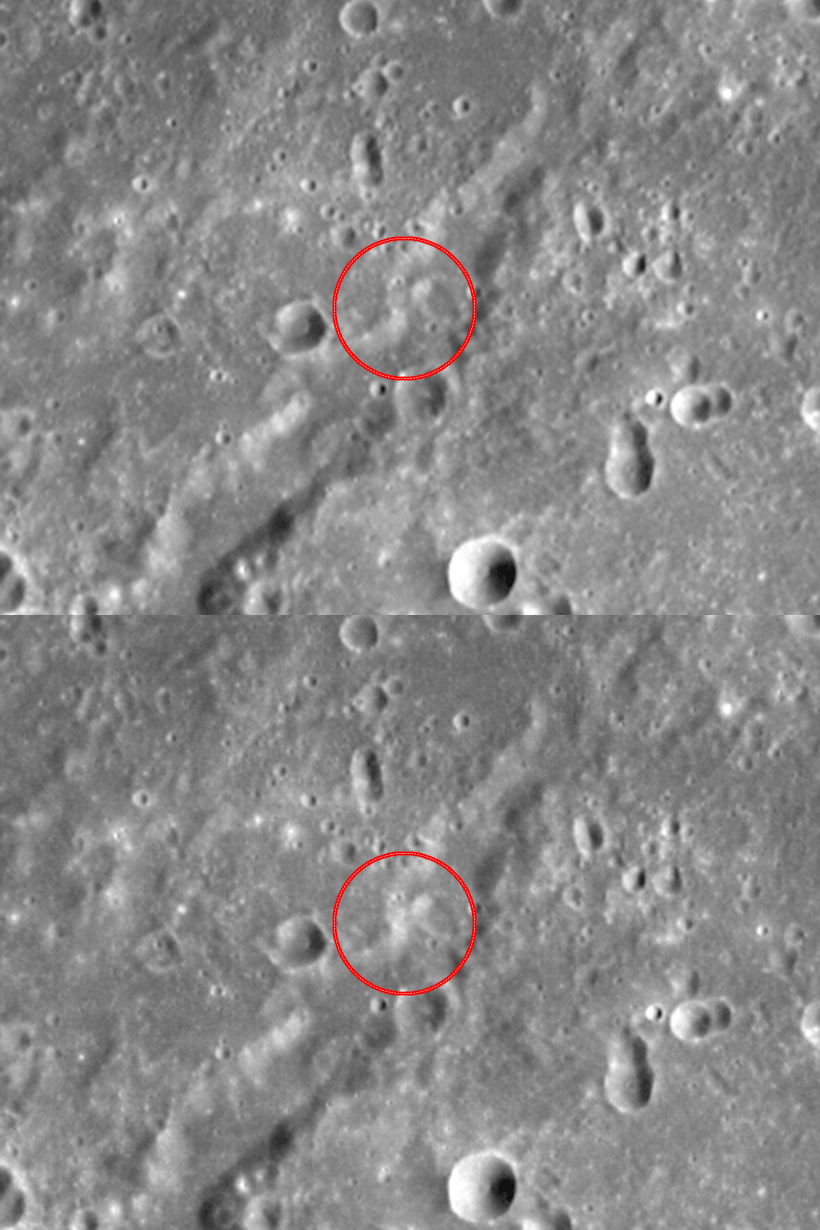
Mercury has always been a planet of mystery.
It is scarred, ancient, and extreme.
Its surface bears the marks of violent impacts and internal contraction.
There are regions near its poles where water ice exists in permanent shadow, a discovery that once surprised scientists and fueled imaginations.
That legitimate strangeness makes Mercury fertile ground for exaggerated storytelling.
NASA scientists grew increasingly concerned as the rumor spread.
Not because it threatened secrecy, but because it undermined public understanding of how science works.
When people are told that groundbreaking discoveries are being hidden, trust erodes.
Real discoveries become suspect.
Routine operations become evidence of cover-ups.
Officials clarified that James Webb remains fully operational and continues to deliver data daily.
There was no emergency shutdown.
No suppression of findings.
No hidden revelation about Mercury.
The telescope’s mission remains focused on distant cosmic phenomena, exactly as planned.
What makes this episode unsettling is not what Webb saw, but how quickly a false story replaced reality.
The language of fear and secrecy proved more compelling than explanations rooted in engineering and orbital mechanics.
Algorithms amplified outrage, not accuracy.
Ironically, the truth about Mercury is fascinating enough without invention.
Data from past missions reveal a planet that shrank as it cooled, creating massive cliffs across its surface.
Its magnetic field, though weak, is still active.
Its day-night temperature swings are the most extreme in the solar system.
These are real scientific wonders, openly studied and published.
The idea that NASA would shut down its most valuable telescope to hide a discovery defies not just evidence, but incentive.
Scientific agencies thrive on discovery.
Withholding one would contradict decades of transparent data sharing, international collaboration, and peer review.
As the rumor fades, experts hope the episode serves as a lesson.
Space exploration does not need manufactured terror to be compelling.
The universe is already strange, vast, and full of unanswered questions.
But when fiction is dressed as breaking news, it distracts from the genuine achievements happening in real time.
James Webb was not silenced.
Mercury did not reveal a forbidden secret.
What was exposed instead was something closer to home: how easily awe can be manipulated into fear, and how important it is to look past the headline before believing the cosmos has gone dark.