Trae Young’s unexpected departure from the Atlanta Hawks has sent shockwaves through the NBA, raising questions about the future of the traditional point guard role. Once celebrated as the face of the franchise, Young’s trade reflects a league evolving beyond the high-scoring, ball-dominant playmakers of the past.
 The Hawks announced the trade in a quiet manner, sparking speculation that they were more focused on clearing salary than securing a valuable return. Young, who was once the linchpin of Atlanta’s offensive strategy, has seemingly fallen out of favor as the team re-evaluates its direction.
This transition signals a broader trend in the NBA, where teams are moving away from the singular star player model. The league has witnessed a shift towards a more collaborative style of play, with an emphasis on versatile players who can contribute without monopolizing the ball.
Once, the likes of James Harden and Damian Lillard thrived under a system that put the spotlight on one primary scorer. However, as defenses have become more sophisticated, the drawbacks of relying on a single player have become glaringly apparent. Teams now seek players who can seamlessly integrate into a more dynamic offensive scheme.
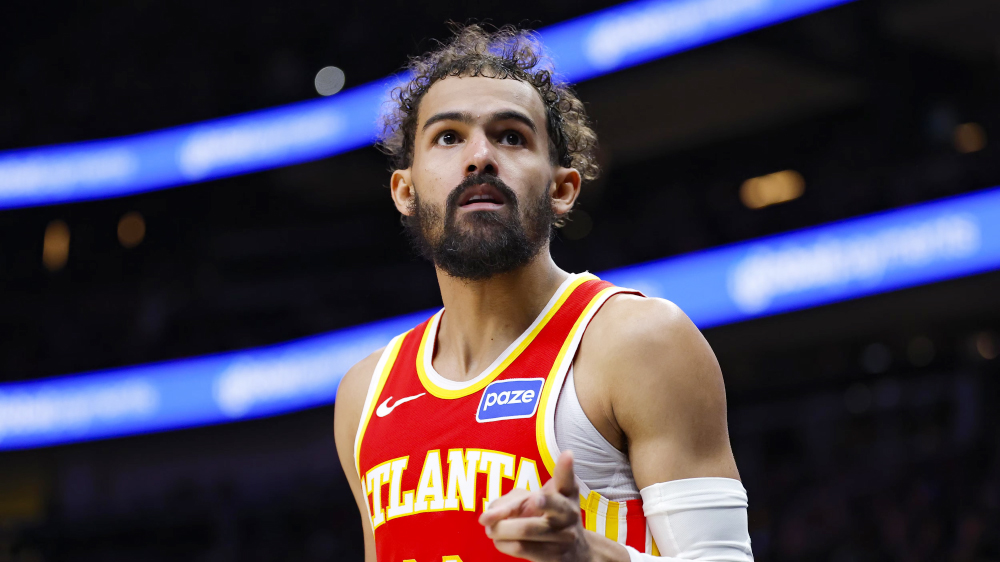
Young’s skill set, while undeniably impressive, has increasingly been viewed as a liability. His defensive shortcomings and inconsistent three-point shooting have made it difficult for teams to justify building around him. The Hawks’ decision to part ways with him emphasizes a growing realization within the league: the need for a more balanced approach.
As the NBA landscape evolves, franchises are prioritizing players who can adapt to a rapidly changing game. The days of the high-volume, ball-dominant point guard are waning, with teams now favoring those who can contribute in multiple ways without being a defensive liability.
While Young’s talent is unquestionable, his style may no longer align with the future blueprint of successful NBA teams. The trade marks a pivotal moment for both Young and the league, as it navigates a transformative period.

In the end, this shift is not about casting blame but recognizing a changing reality. The NBA is moving towards a more sustainable and cohesive model, leaving behind those who cannot keep pace. Trae Young’s departure from Atlanta may be just the beginning of a larger evolution in basketball, where adaptability and teamwork take precedence over individual brilliance.
As fans reflect on this moment, it’s clear that while the league bids farewell to an era, it simultaneously embraces a new chapter defined by collective success over individual accolades. The future of the NBA is here, and it promises a different kind of excitement on the court.