To fans of country music, the Grand Ole Opry isn’t just a stage — it’s sacred ground. For generations, it has represented tradition, discipline, and respect for the roots of the genre. Stepping onto that circle means you’ve earned your place. And crossing a line there? That can cost you everything.
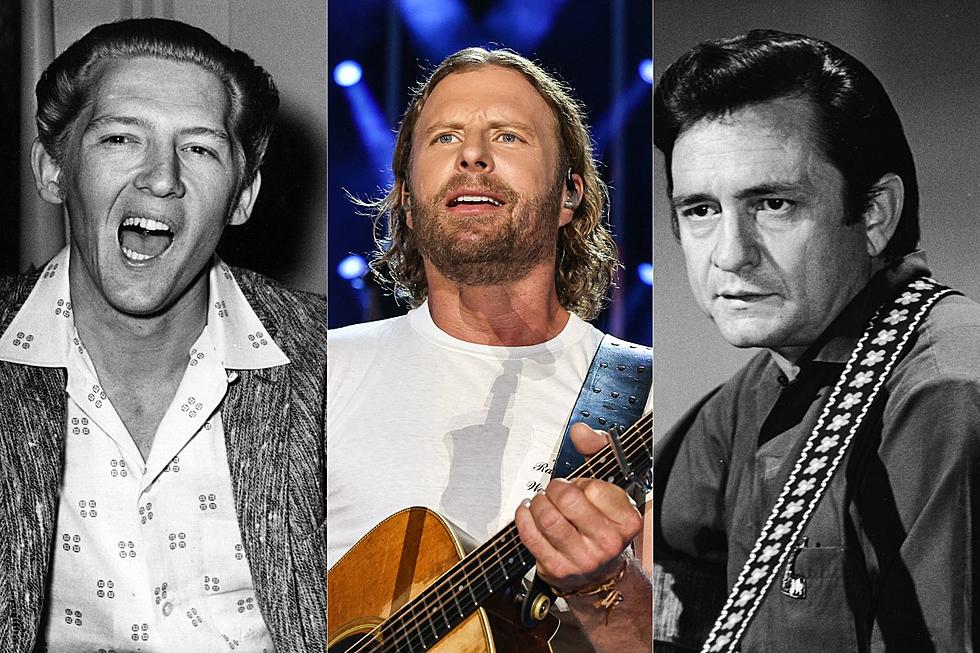
Over the decades, a surprising number of country stars — including some now considered legends — learned that lesson the hard way.
Johnny Cash found out early. Long before he became a symbol of rebellion and redemption, a frustrated young Cash lost his temper during an Opry performance. In a fit of rage over technical issues, he smashed stage lights with his microphone stand, leaving shattered glass and stunned faces behind. The Opry didn’t see it as rock-and-roll attitude. They saw it as disrespect. Cash was shown the door — temporarily — but the incident became part of his outlaw mythos.

Hank Williams’ story was far more heartbreaking. At the height of his fame, his battles with alcohol, pain, and illness made him increasingly unreliable. Missed appearances and erratic behavior finally pushed the Opry to cut ties with one of its brightest stars. Being dropped from the Opry didn’t just hurt his career — it devastated him personally. Not long after, country music lost one of its greatest voices forever.

Then there was Jerry Lee Lewis, a man who never fit neatly into any box. When he brought his fiery, rule-breaking energy onto the Opry stage, it clashed violently with the venue’s strict code of conduct. Profanity, defiance, and a refusal to play by the rules earned him a frosty reception that lasted years. The Opry wasn’t built for chaos — and Jerry Lee was chaos personified.
Not every ban came from scandal onstage. Dierks Bentley’s story reads almost like a Nashville fairy tale. Before fame, before hit records, he was just a hungry kid sneaking backstage at Opryland to watch his heroes perform. When security finally caught him, he was banned outright — before he ever performed a single note there. Years later, he returned not as a trespasser, but as an invited artist… and eventually, a full Opry member. Few reversals in country music history feel sweeter than that.

Even in modern times, the Opry’s standards haven’t softened. A recent tribute performance meant to honor one of country’s most beloved icons instead sparked outrage when a performer appeared visibly intoxicated, stumbled through lyrics, and treated the moment casually. Fans were furious. Apologies followed. But the silence since has been loud — and the Opry stage has remained out of reach.
These stories reveal something deeper about the Grand Ole Opry. It isn’t just about talent. It’s about respect — for the music, the audience, and the legacy that came before. Some artists were forgiven. Some were not. And for many, being banned didn’t erase their greatness — it added another layer to their legend.
Because in country music, the rise, the fall, and the fight to come back are often just as powerful as the songs themselves.