6ix9ine’s first day in jail was nothing short of a tumultuous reality check. The rapper, whose life has been marred by controversy, faced the harsh environment of the Metropolitan Detention Center (MDC) in Brooklyn. Stripped of his lavish lifestyle, he was thrust into a world rife with danger, isolation, and the stark consequences of his past decisions.
 On November 18, 2018, Daniel Hernandez, better known as 6ix9ine, was arrested alongside members of the Nine Trey Gangster Bloods. The charges against him were severe: racketeering, conspiracy to commit murder, and firearms offenses, among others. The arrest followed a series of violent incidents, including a shooting at the Barclay Center and an armed robbery in Times Square.
What many anticipated would be a nightmare scenario quickly turned into a bizarre twist. Hernandez recounted how, on his first night, instead of facing immediate threats, he found himself watching a movie on an iPad in a surprisingly calm setting. This stark contrast between expectation and reality speaks volumes about his mindset during those initial days behind bars.
Initially placed in the MDC’s general population, Hernandez faced a facility known for its brutal conditions, overcrowding, and frequent violence. Federal authorities had previously placed him in protective custody due to credible threats against his life, making his placement in general population a puzzling decision. His lawyer expressed concern over the risks posed to Hernandez, especially given his celebrity status and gang affiliations.

Yet, as he settled into his new reality, Hernandez’s experience took a different turn. He described the general population as filled with “rats,” older inmates who were also cooperating with authorities. This unexpected camaraderie provided him a semblance of safety, as he navigated the complexities of prison life without the anticipated violence.
Days later, after facing the full weight of his charges at arraignment, Hernandez was transferred to a private facility designed for high-risk inmates. This move, deemed necessary by federal officials, allowed him to maintain contact with family and friends while ensuring his safety. The conditions were surprisingly comfortable compared to the horror stories often associated with federal detention.

Despite the dire predictions from the media, Hernandez’s time in protective custody was relatively uneventful. He engaged in routine activities, managing his commissary account and maintaining connections with the outside world. The psychological toll of isolation was real, but he reframed it as an opportunity for personal growth and reflection.
Hernandez’s mindset transformed during his incarceration. He emerged from the experience with a newfound perspective on loyalty, family, and survival. His willingness to cooperate with authorities, while controversial, allowed him to navigate a system that often feels unforgiving.

In subsequent interviews, he has critiqued the hypocrisy within hip-hop culture regarding cooperation with law enforcement. By pointing out the double standards among artists, he has challenged the very foundations of street credibility that once defined his image.
As he faces another short sentence in 2026, Hernandez remains a polarizing figure. His resilience narrative has kept him relevant in an industry that largely turned against him. Tahe question now looms: can he sustain this narrative, or will the cycle of legal troubles continue to overshadow his career?
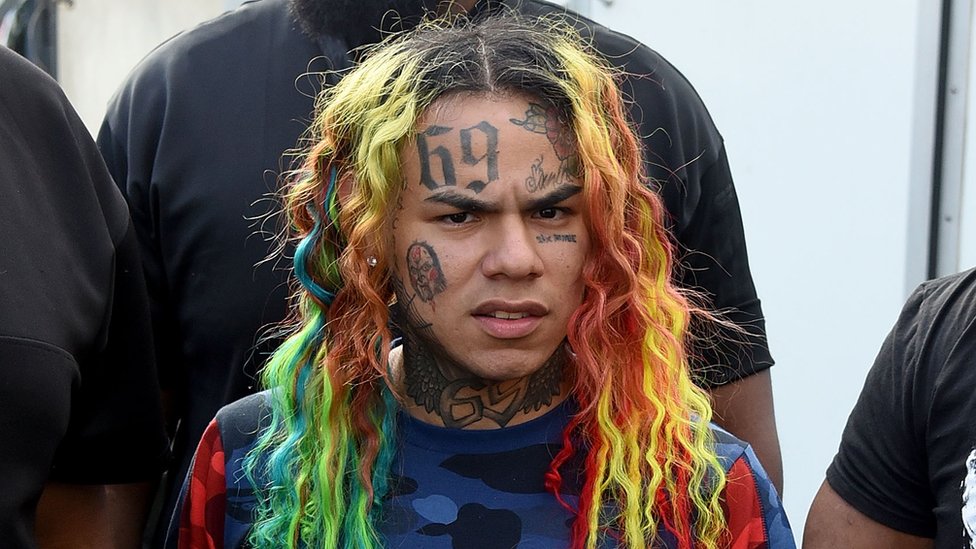
In the end, 6ix9ine’s journey through the criminal justice system reflects broader themes of celebrity, survival, and the complexities of loyalty. His story serves as a reminder that the reality of incarceration often diverges from public perception, revealing a nuanced landscape filled with unexpected twists and turns.