Born on January 19, 1935, in Joinerville, Texas, Charlie Waller was more than a gifted musician — he was a man who shook the very foundation of traditional bluegrass, leaving behind a legacy that continues to divide and inspire music lovers decades later.

Growing up in postwar America, Waller was drawn early to folk and country music. But the path he chose was anything but safe. When he co-founded The Country Gentlemen in the late 1950s in Washington, D.C., Waller posed a bold question to the bluegrass world: Could the genre evolve without losing its soul?
His answer was controversial. Instead of strictly honoring tradition, The Country Gentlemen boldly infused folk, jazz, and even pop influences into bluegrass. Covers like “Take Me Home, Country Roads” and “Mrs. Robinson” shocked purists, yet they opened the door to an entirely new audience who might otherwise have never embraced the genre.
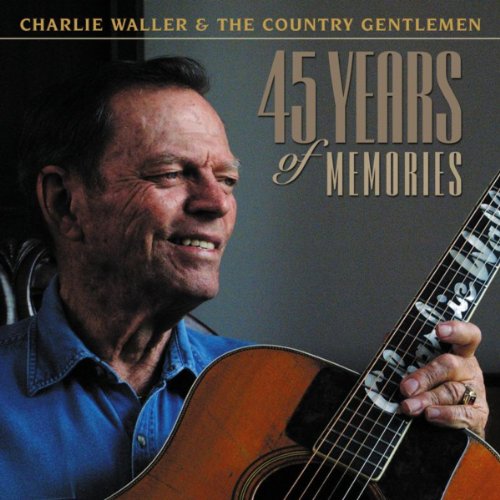
That artistic risk sparked debates that still echo today. Some critics argued that Charlie Waller had “watered down” authentic bluegrass. Others, however, believe just as strongly that he saved it from stagnation, helping it survive by pushing it forward into a modern era.
Under Waller’s leadership, The Country Gentlemen became a launching pad for major American music figures, including Ricky Skaggs and Jerry Douglas. The band earned dozens of prestigious awards and, more importantly, left a lasting imprint on what would later be known as Americana music.

Charlie Waller passed away in 2004 in Virginia at the age of 69, but his name has never truly left the American music conversation. Each year, as fans mark his birthday, the same question resurfaces: Is innovation a betrayal of tradition — or the only way tradition can survive?
For many listeners, the answer lives in the music Charlie Waller left behind — familiar yet fearless, rooted yet restless, and never content to stand still.