Some songs become hits. Others become moods. And then there are the rare tracks that slip so seamlessly into film and television that they start to feel unavoidable. Few songs fit that category better than Nick Cave and the Bad Seeds’ “Red Right Hand.” What began as a dark, cryptic lyric in the 1990s has since evolved into one of the most recognizable — and relentlessly reused — needle drops in pop culture.
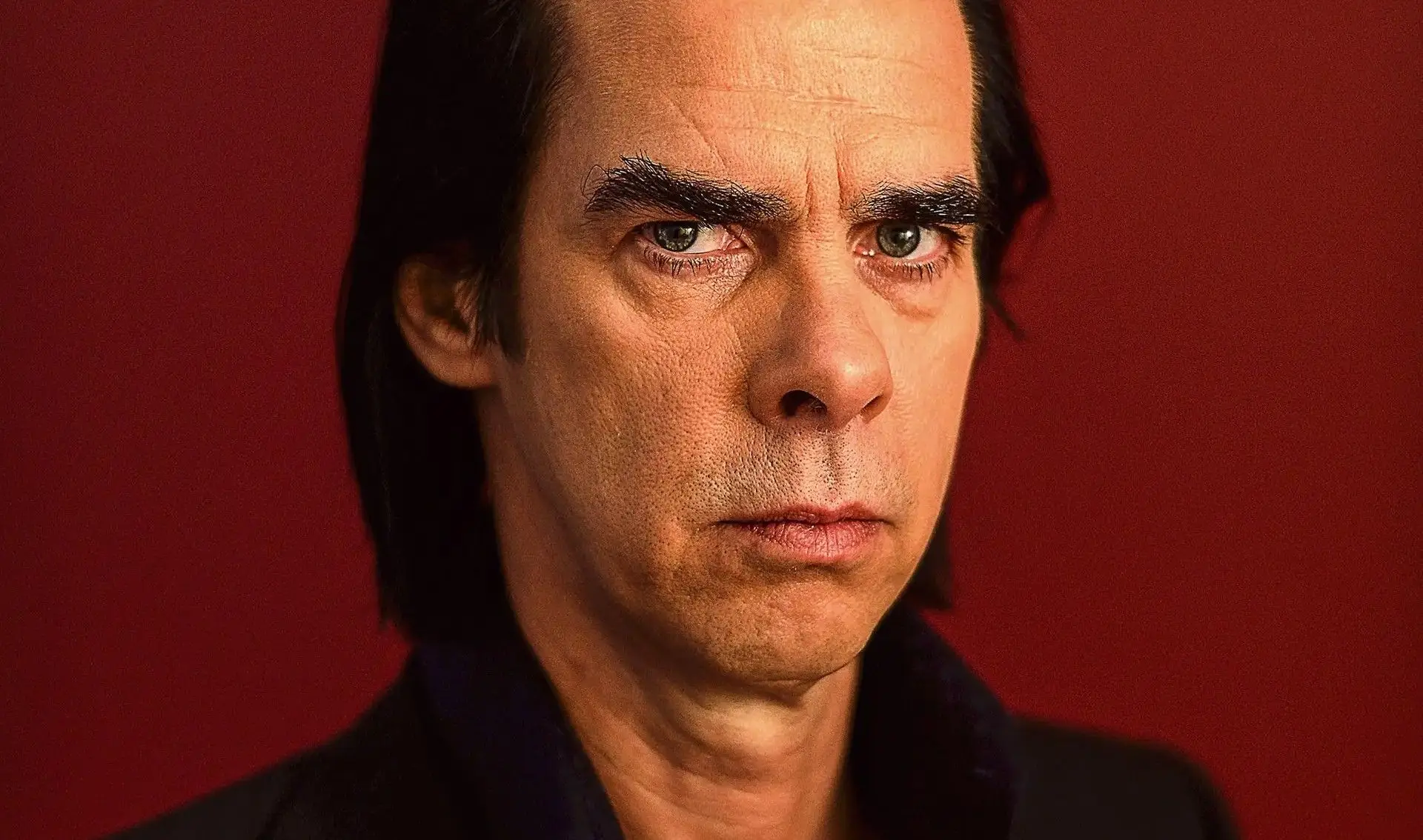
Released in 1994, “Red Right Hand” was never designed for mass appeal. Inspired by John Milton’s Paradise Lost, the song drips with menace and ambiguity. Cave’s lyrics describe an unnamed figure — part preacher, part devil, part authority — whose presence feels both seductive and threatening. The phrase “red right hand” itself refers to divine vengeance, a biblical image reimagined through Cave’s gothic lens.
At first, the song lived comfortably in cult territory. Fans of Nick Cave embraced it as another unsettling chapter in his catalog of morally complex storytelling. But Hollywood had other plans.
The transformation began quietly. Filmmakers discovered that “Red Right Hand” could instantly establish tone: ominous, ironic, dangerous. Its slow build, prowling bassline, and whispered menace felt tailor-made for crime dramas and psychological thrillers. Once it worked once, it worked everywhere.

Then came Scream.
When the song appeared in the 1996 horror classic, it gained a new cultural identity — sinister, knowing, almost playful in its darkness. That placement cracked the door open. Soon, “Red Right Hand” began popping up again and again: in sequels, TV shows, trailers, even commercials. Most recently, it became inseparable from Peaky Blinders, where it functioned less like background music and more like a character itself.
What’s remarkable is how adaptable the song proved to be. Sometimes it underscored violence. Other times, it added irony. Occasionally, it felt like a wink to the audience — a shorthand for danger or moral corruption. The lyric Cave wrote as an abstract meditation on power became a cultural signal audiences instantly recognized.
Even Cave himself has acknowledged the song’s strange second life. While some artists grow weary of their most famous work, Cave has expressed a mix of bemusement and appreciation at how “Red Right Hand” continues to find new contexts — even if it’s sometimes misunderstood or flattened by repetition.
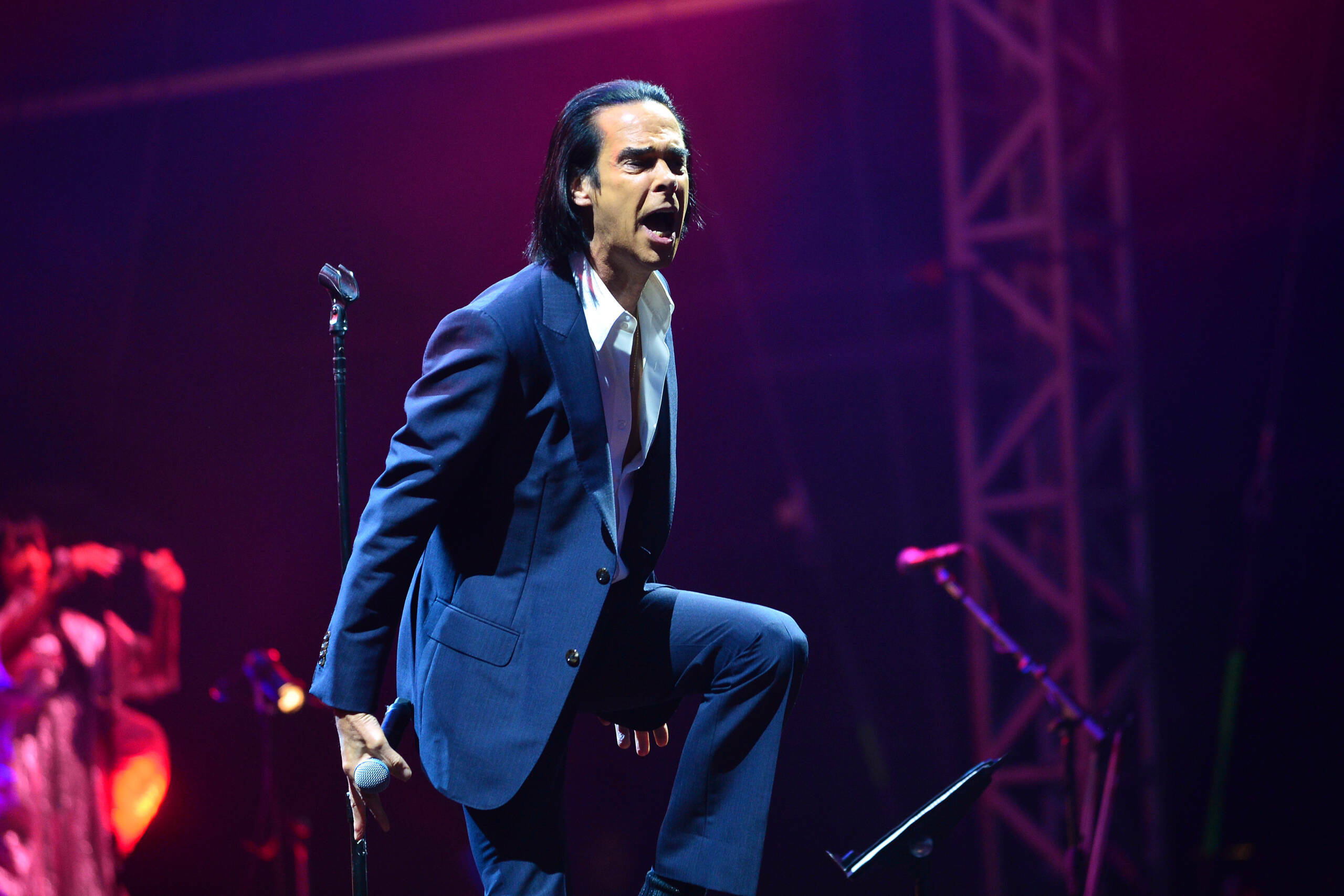
And yet, the song endures.
Despite its overuse, “Red Right Hand” hasn’t lost its edge. That’s partly because its meaning was never fixed. The lyric remains open-ended, allowing each filmmaker to project new menace onto it. In a media landscape hungry for instant atmosphere, Cave’s words do the work in seconds.
What started as a dark poetic phrase has become cultural shorthand — proof that sometimes, the most haunting lyrics don’t just stay in your head.
They follow you onto the screen.