For many fans, 1990s rock feels like a fixed moment in time — flannel shirts, distorted guitars, and voices that defined a generation. But here’s a surprising reality that often goes unnoticed: some of the biggest rock bands from the ’90s ar
It sounds almost impossible. Yet it’s happening — and it raises uncomfortable questions about identity, legacy, and what a band actually is.
During the ’90s, rock bands weren’t just musical acts. They were personalities. Fans didn’t just love the songs; they loved the people behind them. So discovering that certain familiar band names now function more like brands than original lineups can feel jarring.

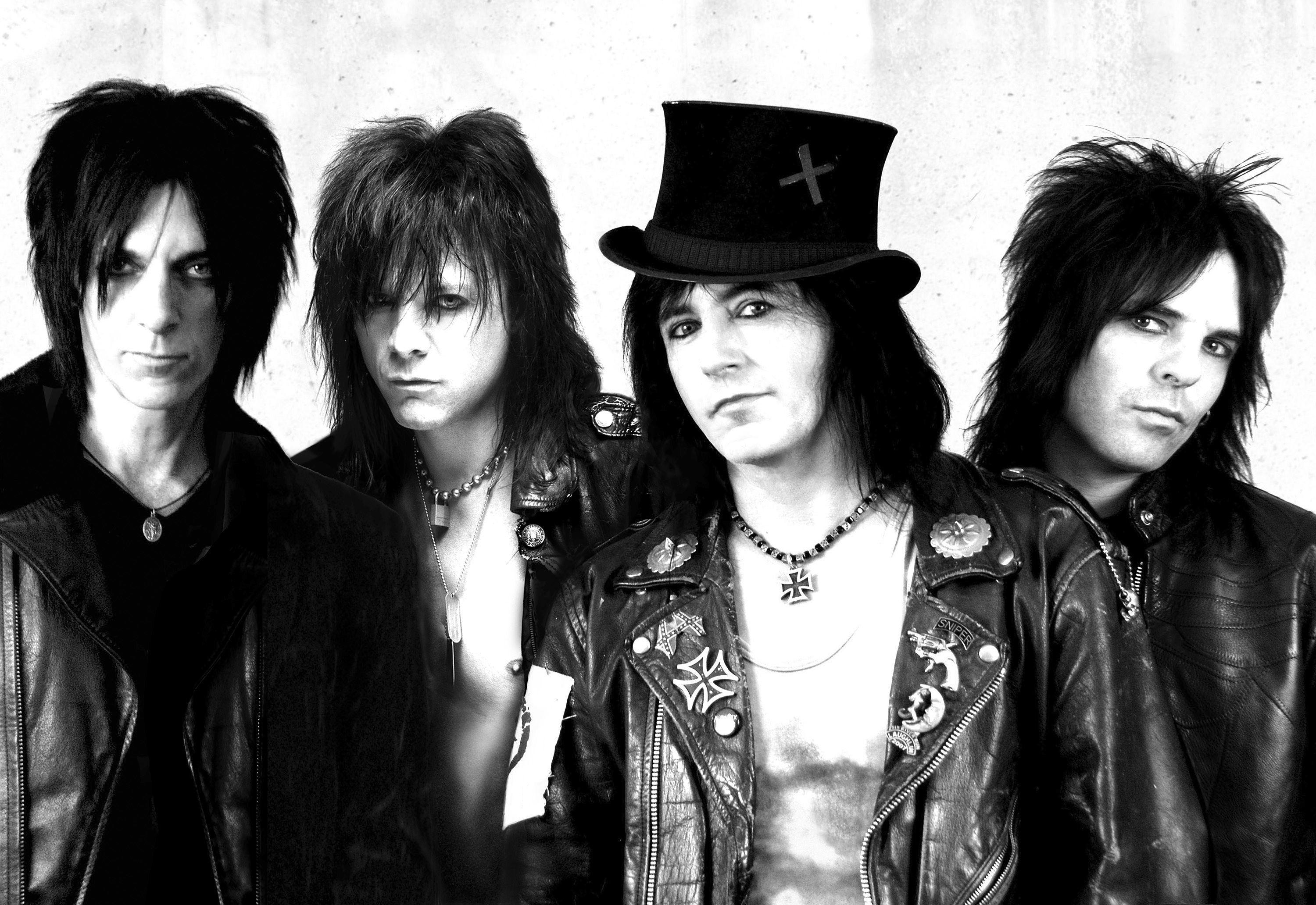
Take bands like Bush, Fuel, L.A. Guns, or Quiet Riot — groups whose names still appear on festival posters and tour flyers. Over the decades, original members have quietly exited due to creative differences, legal battles, health issues, or simple burnout. In their place came replacements. Then replacements of replacements. Eventually, the band name stayed — but the founding lineup disappeared entirely.
What remains is something closer to a legacy act than a traditional band.
This phenomenon isn’t necessarily deceptive. In many cases, fans are aware — or at least vaguely aware — that the lineup has changed. What keeps these bands alive is demand. The songs still resonate. The crowds still show up. And for promoters, nostalgia sells.
Yet emotionally, it’s complicated.
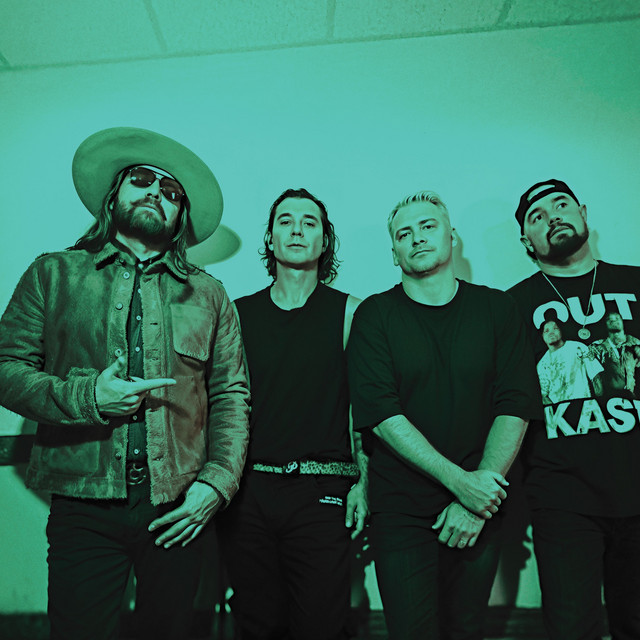
Seeing a band live can feel like revisiting a chapter of your own life. When the people on stage aren’t the ones who wrote the songs or lived the stories behind them, the experience changes. For some fans, it’s still worth it — the music matters more than the faces. For others, it feels hollow, like watching a tribute band that forgot to admit it’s a tribute band.
Musicians themselves are divided on the issue. Some argue that a band name represents a catalog, a sound, a shared cultural moment — not just individuals. Others insist that without original members, the name loses its meaning.
Legally, the answer often comes down to contracts and trademarks. Whoever owns the name controls its future. Emotionally, though, ownership is murkier. Fans don’t connect to paperwork — they connect to memory.
What’s undeniable is that this trend reflects how the music industry has changed. Touring is now one of the primary revenue streams for artists, especially as streaming dominates. Keeping a recognizable band name alive can be the difference between a profitable tour and obscurity.
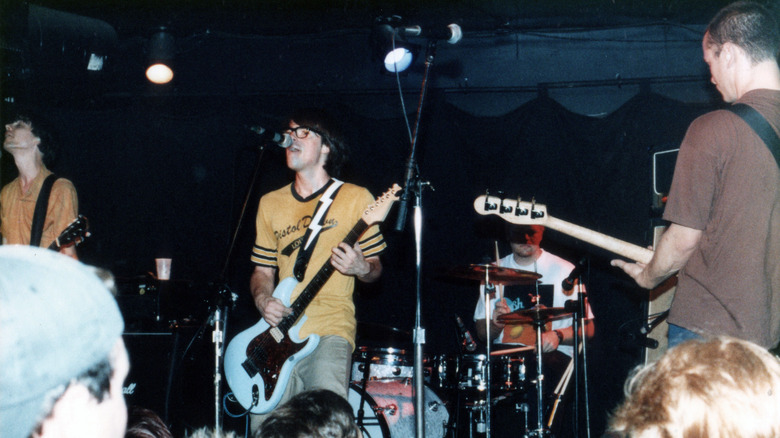
So when you see a ’90s rock band still hitting the road, the question isn’t just “Do I know their songs?” It’s “Who am I really seeing?”
In the end, these bands occupy a strange middle ground — not quite the originals, not quite covers. They are living reminders that while people age, leave, or disappear, music has a way of outlasting everyone who made it.
And for better or worse, the ’90s aren’t done touring yet.