For more than a century, the deaths of Russia’s last royal family have lingered in the shadows of history, wrapped in rumor, denial, and desperate hope. Now, modern DNA testing has delivered a final and devastating answer. The two missing children of Tsar Nicholas II did not escape. They died alongside their family—bringing an end to one of history’s most haunting royal mysteries.
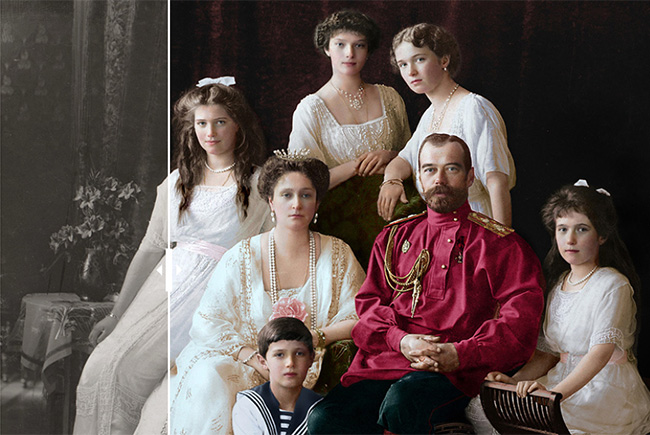
In July 1918, as the Russian Revolution reshaped the nation, Bolshevik guards led the Romanov family into a basement in Yekaterinburg. What followed was a brutal execution that marked the collapse of the Russian monarchy. Nicholas II, Empress Alexandra, and their five children were killed in secret, their bodies hastily disposed of in an effort to erase the dynasty forever.
But history refused to stay buried.
For decades, the absence of two bodies—Tsarevich Alexei, the heir to the throne, and one of his sisters—sparked persistent rumors that a royal child had survived. Imposters emerged. Conspiracy theories flourished. The myth of a hidden Romanov became a global obsession.

The first crack in the mystery came in 1991, when a mass grave was discovered near Yekaterinburg. DNA analysis confirmed the remains of Nicholas, Alexandra, and three of their daughters. Yet two children were still missing, leaving the legend alive.
That changed in 2007, when archaeologists uncovered charred and fragmented bones nearby. Advanced forensic testing, including mitochondrial and nuclear DNA comparisons with living relatives of the Romanovs, delivered the long-awaited truth. The remains belonged to Alexei and his sister, confirming that no one escaped.
The findings also exposed the extent of the original cover-up. Historical evidence revealed that Bolshevik forces attempted to destroy the bodies through fire and acid, deliberately scattering remains to prevent identification. The brutality of the act fueled the century-long uncertainty.
Today, science has done what politics and secrecy could not. The confirmation closes a tragic chapter in Russian history and underscores the power of modern forensic technology to confront even the most carefully buried truths.
The Romanov story is no longer a mystery of survival. It is a story of loss—of a family erased, a monarchy ended, and a truth that took over 100 years to emerge.