For more than 500 years, King Richard III has been remembered as one of history’s most notorious villains, accused of murdering his two young nephews to seize England’s throne. But a stunning new wave of research is now challenging that dark legacy—and raising a question once thought unthinkable: what if Richard III didn’t kill the princes in the Tower at all?

The disappearance of Edward V and his younger brother, Richard of Shrewsbury, remains one of history’s greatest unsolved mysteries. In 1483, the boys were confined to the Tower of London for their “protection.” Within weeks, Richard III was crowned king. The princes were never seen again, and suspicion hardened into legend. Richard became the prime suspect, immortalized by Shakespeare as a ruthless child murderer.
Now, historian Philippa Langley—the same researcher behind the discovery of Richard III’s remains in 2012—claims to have uncovered evidence that could rewrite the story. After years of research and collaboration with more than 300 volunteers across Europe, Langley has identified documents suggesting the princes may have survived Richard’s reign.
Among the most provocative finds is a 1487 financial receipt from Lille, France, that appears to reference Edward V as a living figure—four years after his supposed death. The document hints at financial support linked to European powers, raising the possibility that the former king was alive and being protected abroad.
Even more controversial is a manuscript reportedly found in Gelderland, which Langley believes recounts Richard of York’s escape from the Tower. If authentic, it could represent a rare first-person account of a royal child smuggled out of England and forced to live under an assumed identity.
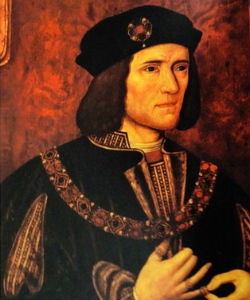
Additional intrigue comes from a will dated 1516 that mentions a chain said to belong to Edward V. The chain’s connection to Sir James Tyrell—long accused of murdering the princes—has reignited debate. Was Tyrell an executioner, or was he tasked with guarding the boys and ensuring their disappearance from public view?
Not all historians are convinced. Critics warn that the documents may be circumstantial, misread, or reflective of the political chaos of the late 15th century rather than proof of survival. Yet even skeptics concede that the evidence is compelling enough to demand serious reconsideration.
If Langley’s findings hold up, the implications are staggering. Richard III’s reputation could shift from monster to misunderstood guardian, and one of history’s darkest royal mysteries may take on an entirely new shape.
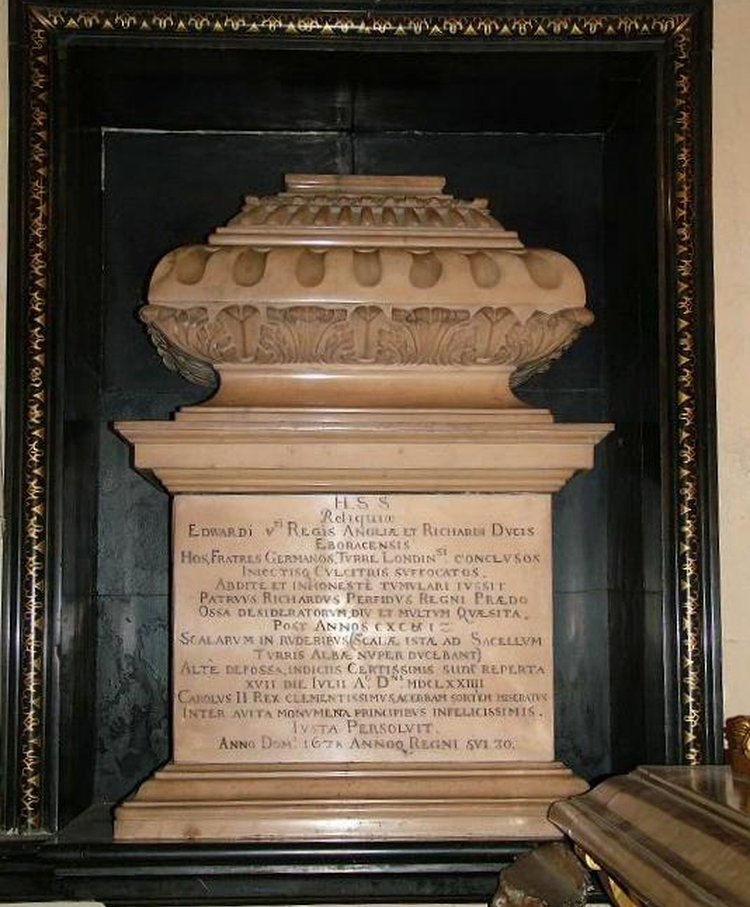
Whether this research solves the case or deepens the mystery, one thing is clear: the shadows surrounding the princes in the Tower are no longer as solid as they once seemed.