NBA fans are buzzing with outrage following the league’s controversial new rule requiring players to participate in at least 65 games to qualify for MVP and All-NBA voting. This decision has sparked heated debates, especially after star player Nikola Jokic sustained an injury that could jeopardize his eligibility for prestigious awards this season.
 The NBA’s decision to enforce a 65-game threshold has been labeled as one of the worst rule changes in league history. Critics argue that this arbitrary cutoff undermines the essence of the sport, particularly when it comes to recognizing extraordinary talent and performance. Jokic, who is currently sidelined with a knee injury, is a prime example of how this rule could distort historical records and player legacies.
Supporters of the rule claim it promotes player durability, aiming to reduce load management and ensure that fans get to see star athletes in action. However, the reality is that injuries are often unpredictable, and a player missing a few games should not diminish their contributions to the game. The league’s intent to reward availability is being overshadowed by the risk of erasing the legacies of players who may fall just short of the 65-game mark.
Historically, All-NBA selections have served as a benchmark for comparing players across different eras. The new rule threatens to skew this historical context, as fans and analysts will be unable to accurately assess the impact of players like Jokic or rising stars such as Victor Wembanyama if they miss out on recognition due to injuries.
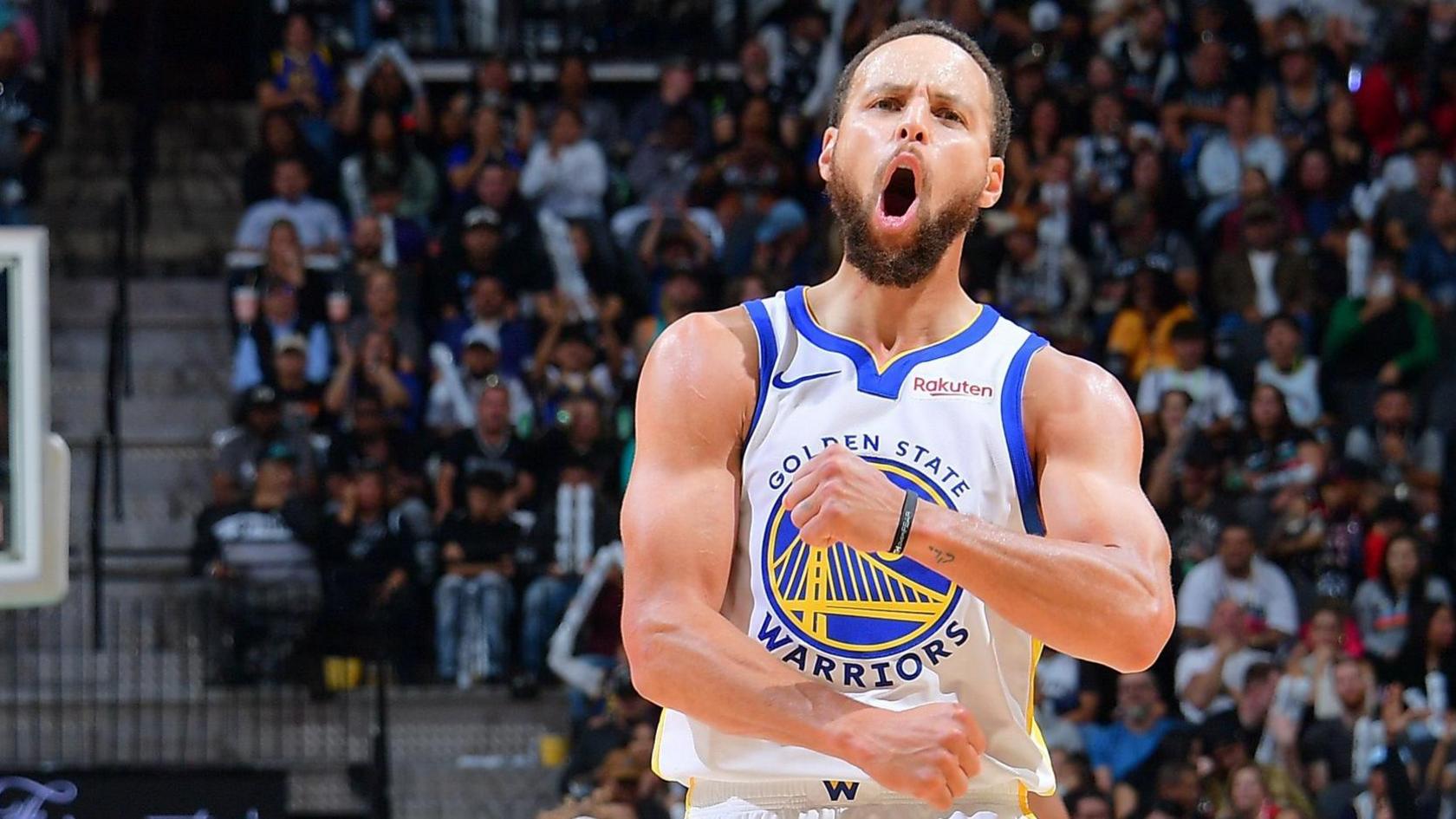
The backlash against this rule is not limited to fans; former players and analysts are also voicing their concerns. They argue that the league should trust voters to evaluate a player’s impact rather than relying on a rigid numerical threshold. The essence of sports is about assessing talent and performance, not merely counting games played.
As the season progresses and more players face injuries, the implications of this rule will become increasingly apparent. The risk of sidelining exceptional performances due to a few missed games could lead to a generation of players whose legacies are forever altered by an arbitrary number.
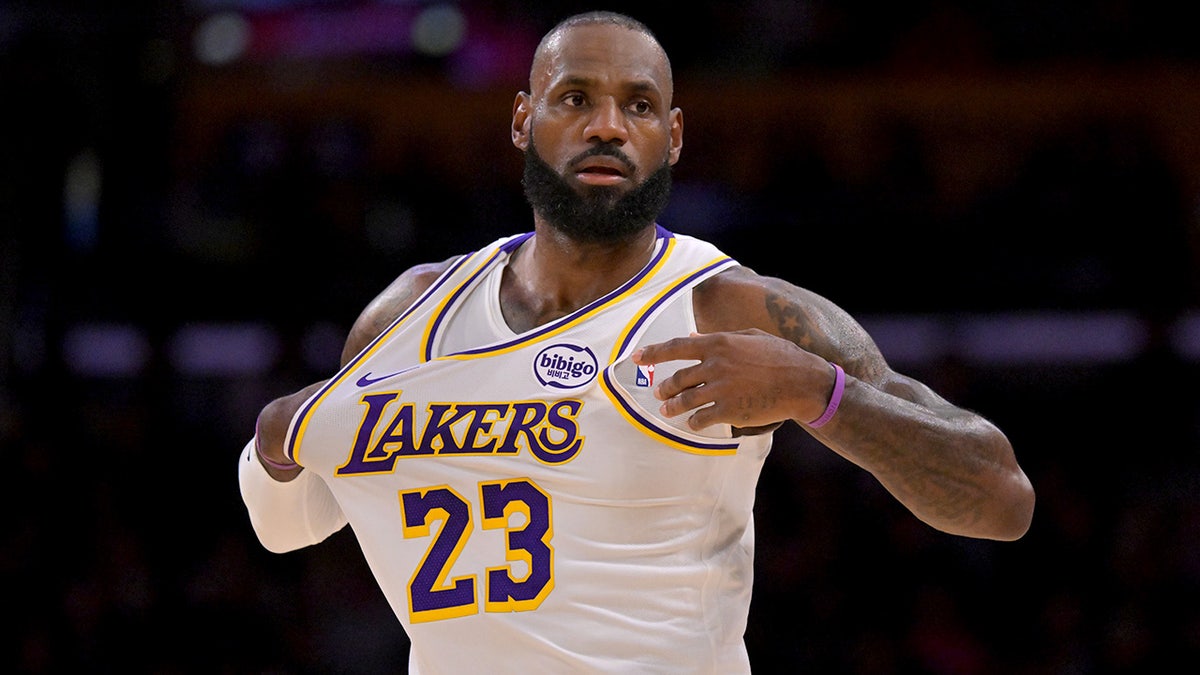
Critics are calling for a reevaluation of the rule, suggesting alternatives that could still incentivize player participation without jeopardizing the recognition of talent. The conversation is ongoing, but one thing is clear: the NBA must find a way to balance player health with the integrity of its awards system.
As fans eagerly await the outcome of this season, they hope that the league will reconsider its approach before more players are unfairly affected by the 65-game rule. The stakes are high, and the future of NBA history hangs in the balance.