As the July 1, 2026, mandatory trade review under the Canada–United States–Mexico Agreement (CUSMA) approaches, Washington expected Ottawa to blink. Instead, Canada quietly prepared to resist. What former President Donald Trump once viewed as economic leverage is now threatening to backfire, exposing cracks in U.S. trade dominance and reshaping North American economic power. With sovereignty, investment stability, and political credibility on the line, the upcoming review is no longer a technical checkpoint — it is a high-stakes test of whether Canada will continue to anchor itself to U.S. pressure or chart a more independent course.
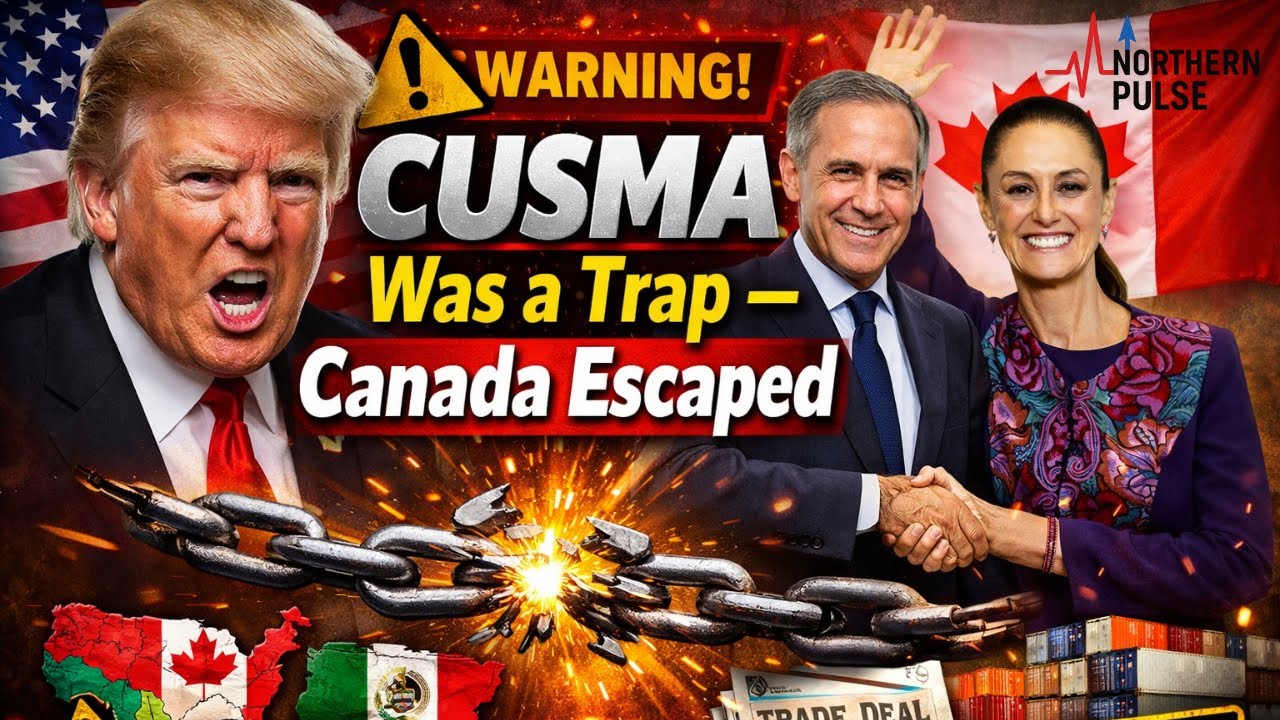
For years, the assumption in Washington was simple: when pushed, Canada would fold.
The July 1, 2026, CUSMA review clause was designed as a pressure valve — a moment when the United States could reassert control, extract concessions, and remind Ottawa of its economic dependence. Former President Donald Trump’s strategy relied on uncertainty as a weapon, believing that the mere threat of trade instability would force compliance.
That assumption is now unraveling.
Behind the scenes, Canada has spent the past two years doing something Washington did not anticipate: preparing for life with less reliance on the United States.
The American demands going into the review are sweeping. U.S. negotiators have pushed for the dismantling of Canada’s dairy supply management system, long seen as politically untouchable. They have also targeted Canadian cultural protections, framing them as trade barriers rather than pillars of national identity. To Canadian policymakers, the message was unmistakable — this was no longer about trade efficiency, but about control.
At first, Ottawa responded cautiously. Canada paused its digital services tax. Retaliatory tariffs were rolled back. Diplomacy was prioritized. Yet with every concession, new demands followed. What was meant to ease tensions instead revealed a pattern: pressure would only intensify.
By late 2025, Canada’s strategy changed.
Rather than continuing to absorb political risk to preserve calm, Ottawa began quietly constructing alternatives. Trade missions to Mexico expanded. Infrastructure investments strengthened east–west supply chains. Agreements with European partners reduced dependence on U.S. markets. None of this was framed as confrontation — but all of it was preparation.
The result is a Canada far more insulated than Washington expected.
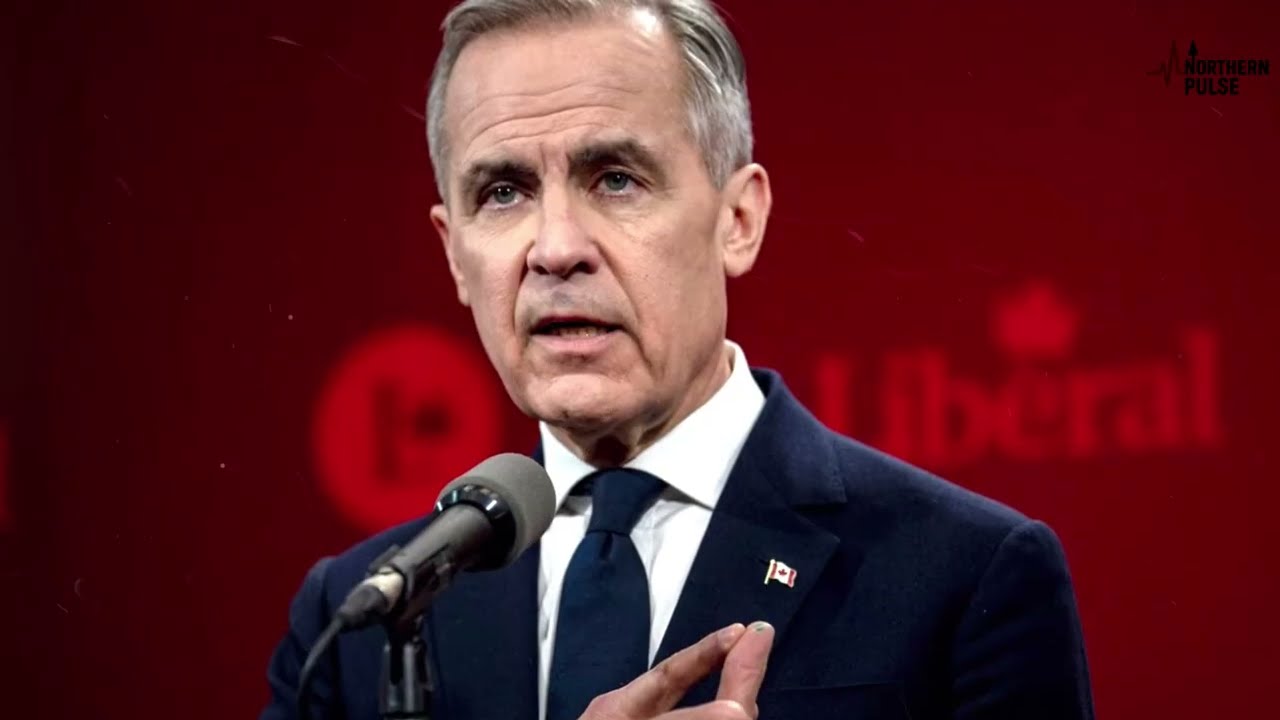
At the center of the coming showdown is a deceptively technical choice: extend CUSMA for another 16 years, or allow the agreement to roll into annual reviews. For the U.S., annual reviews are a tool of leverage — a way to keep partners in a constant state of negotiation. For Canada, they are now being viewed as leverage of its own.
Annual reviews introduce uncertainty — not just for Canada, but for the United States.
Investment decisions, manufacturing commitments, and cross-border supply chains depend on predictability. American businesses that rely on Canadian inputs or export northward are already warning lawmakers that prolonged uncertainty could freeze investment and raise costs. Republican senators from trade-dependent states have begun signaling unease, aware that economic turbulence heading into midterm elections carries political risk.
That internal pressure complicates the Biden administration’s position. While Trump’s trade tactics remain politically popular with parts of the electorate, their long-term consequences are becoming harder to ignore. A destabilized trade framework with Canada — America’s largest trading partner — would ripple through industries from agriculture to energy to manufacturing.
What makes this moment different is Canada’s willingness to absorb short-term discomfort to defend long-term sovereignty.
Choosing annual reviews would send a clear signal: American pressure is no longer decisive. It would also mark a shift in how middle powers navigate U.S. influence — not through defiance, but through diversification. Canada’s posture suggests that dependency itself is now viewed as a strategic vulnerability.
For Washington, that realization cuts deep.
U.S. trade power has long rested on the assumption that partners value stability enough to accept asymmetric pressure. But if Canada proves willing to tolerate uncertainty — and prepares accordingly — that assumption weakens. Other countries will notice.

The July 2026 review is therefore about far more than dairy quotas or cultural exemptions. It is about whether North American trade remains anchored to U.S. dominance, or evolves into a more balanced, multipolar arrangement where leverage runs both ways.
Trump’s strategy was designed to force submission through pressure. Instead, it may have accelerated a quiet reordering — one where allies learn how to say no without saying it loudly.
If Canada holds its ground, the lesson will resonate well beyond North America: sovereignty, once defended only rhetorically, can now be built structurally.
And in global trade, that may be the most disruptive move of all.