Canada’s long-running fighter jet debate is entering a decisive new phase, and the most consequential issue is no longer performance — it’s sovereignty. As discussions intensify around equipping the Saab Gripen with a non-American engine, Ottawa is quietly questioning a core assumption that has shaped its defense policy for decades: that aligning with U.S. systems is the safest option. Backed by a risk-management mindset associated with leaders like Mark Carney, Canada is now weighing whether true security lies not in alliance optics, but in who controls the aircraft after the purchase is signed.

For years, Canada’s fighter jet procurement process has been framed as a technical debate — stealth versus cost, capability versus interoperability. But behind closed doors, the conversation has shifted to something more fundamental: who ultimately holds the keys.
The renewed focus on the Saab Gripen, and specifically the possibility of pairing it with a non-American engine, has brought that question into sharp relief. Defense planners are no longer asking only what a jet can do in the air, but what a country can do with it once it’s delivered.
That distinction matters.
Canada’s initial move toward the F-35 was justified as a logical extension of NATO interoperability. The aircraft promised cutting-edge technology and seamless integration with U.S. and allied forces. Over time, however, the costs — financial, logistical, and political — became harder to ignore. High operating expenses, complex maintenance requirements, and dependence on U.S.-controlled software and export approvals raised uncomfortable questions about autonomy.
For a country with vast territory, sparse infrastructure, and demanding Arctic responsibilities, those constraints are not theoretical. They are operational risks.
Critics inside and outside government began to argue that the F-35 was optimized for a different kind of military — one with dense bases, massive logistics networks, and centralized command structures. Canada’s reality is different. It needs aircraft that can be sustained independently, deployed flexibly, and adapted without waiting for foreign authorization.
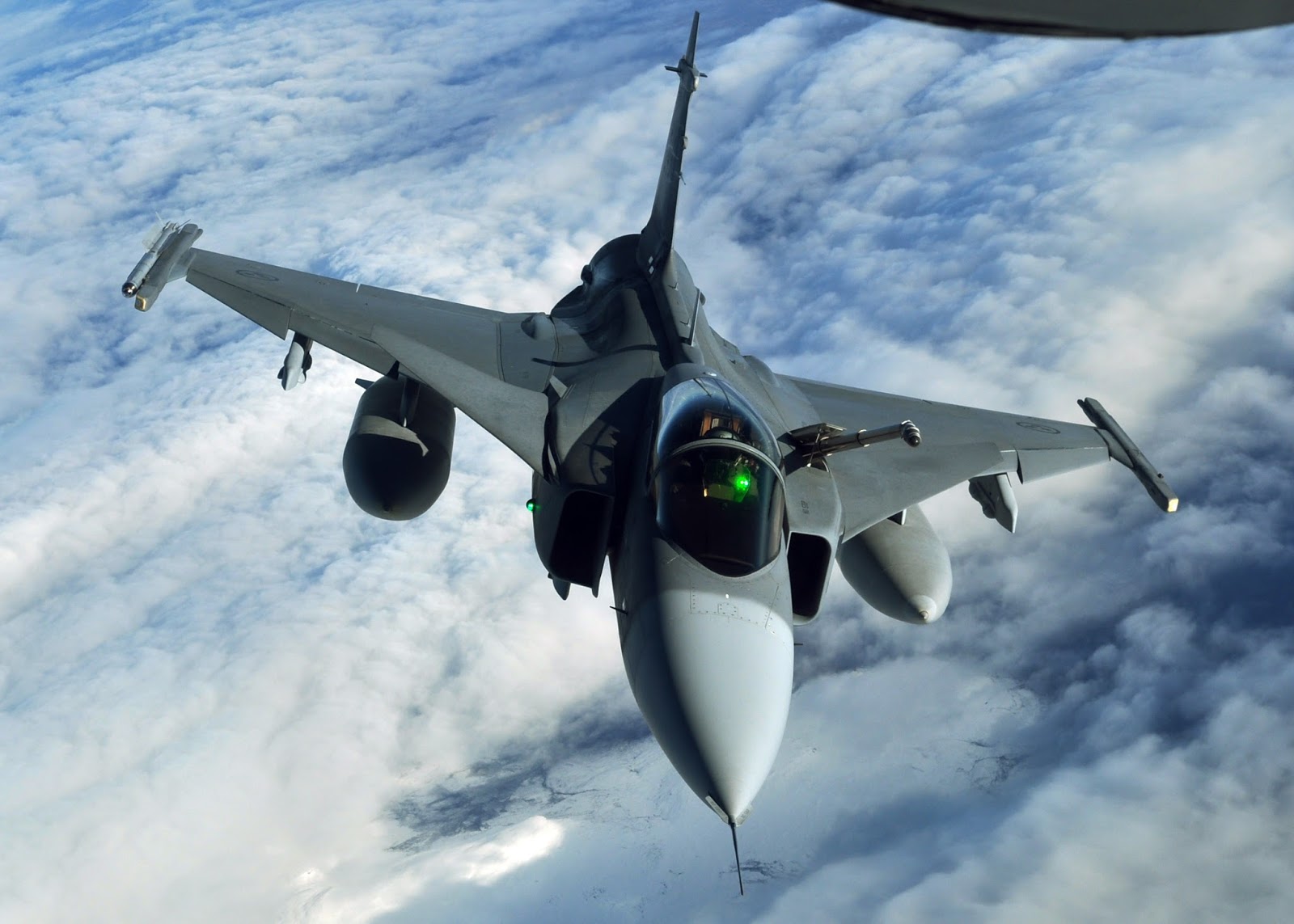
This is where the Gripen reenters the picture.
The Swedish fighter has long appealed to nations seeking practical air power rather than prestige. But the current discussion goes further than airframes. The idea of pairing the Gripen with a non-American engine — potentially involving a Rolls-Royce partnership — would fundamentally alter the balance of control.
Engines are not just components; they are chokepoints. Under U.S. export controls, they can determine where aircraft fly, how they are upgraded, and whether they can be used in certain scenarios. Removing that dependency would give Canada far greater freedom to operate, maintain, and modernize its fleet on its own terms.
This approach reflects a broader philosophy increasingly associated with Mark Carney’s influence on policy thinking: risk management over assumption. Carney has long argued that systems built on single points of failure are inherently fragile. Applied to defense procurement, that means reducing vulnerabilities created by over-reliance on any one partner — even a close ally.
The implications extend beyond military planning.
A non-American engine option opens the door to domestic industrial participation. Local maintenance, assembly, and potentially production would strengthen Canada’s aerospace sector, create skilled jobs, and retain expertise within national borders. In an era where supply chains are frequently disrupted by geopolitics, that resilience carries economic as well as security value.

This does not signal a break with NATO or the United States. Canada remains deeply committed to collective defense. But it does signal a recalibration of what partnership means. Interoperability does not have to require dependency. Cooperation does not have to mean surrendering decision-making authority.
That distinction is increasingly important as global politics grow less predictable.
Across the world, mid-sized powers are reassessing their defense strategies. The lesson of recent years is that political alignment can shift faster than hardware can be replaced. Countries that retain control over their systems are better positioned to adapt when assumptions fail.
International observers are watching Canada closely. If Ottawa succeeds in balancing alliance commitments with genuine autonomy, it could provide a template for others facing similar dilemmas — how to remain a reliable partner without becoming strategically constrained.
The fighter jet debate, once bogged down in procurement delays and cost overruns, has thus evolved into something larger. It is now a test of how Canada understands sovereignty in the 21st century.
The question is no longer whether Canada can afford a particular aircraft. It is whether Canada can afford to outsource critical decisions about its defense.
By reopening the conversation around engines, control, and long-term independence, Ottawa is signaling that it has learned a hard lesson from an increasingly unstable world: capability without autonomy is not security.
As Canada moves closer to a final decision, the outcome will shape not just its air force, but its role within alliances and its ability to act decisively when conditions change.
In modern defense, power is not only measured by what you buy — but by who controls it after the invoice is paid.