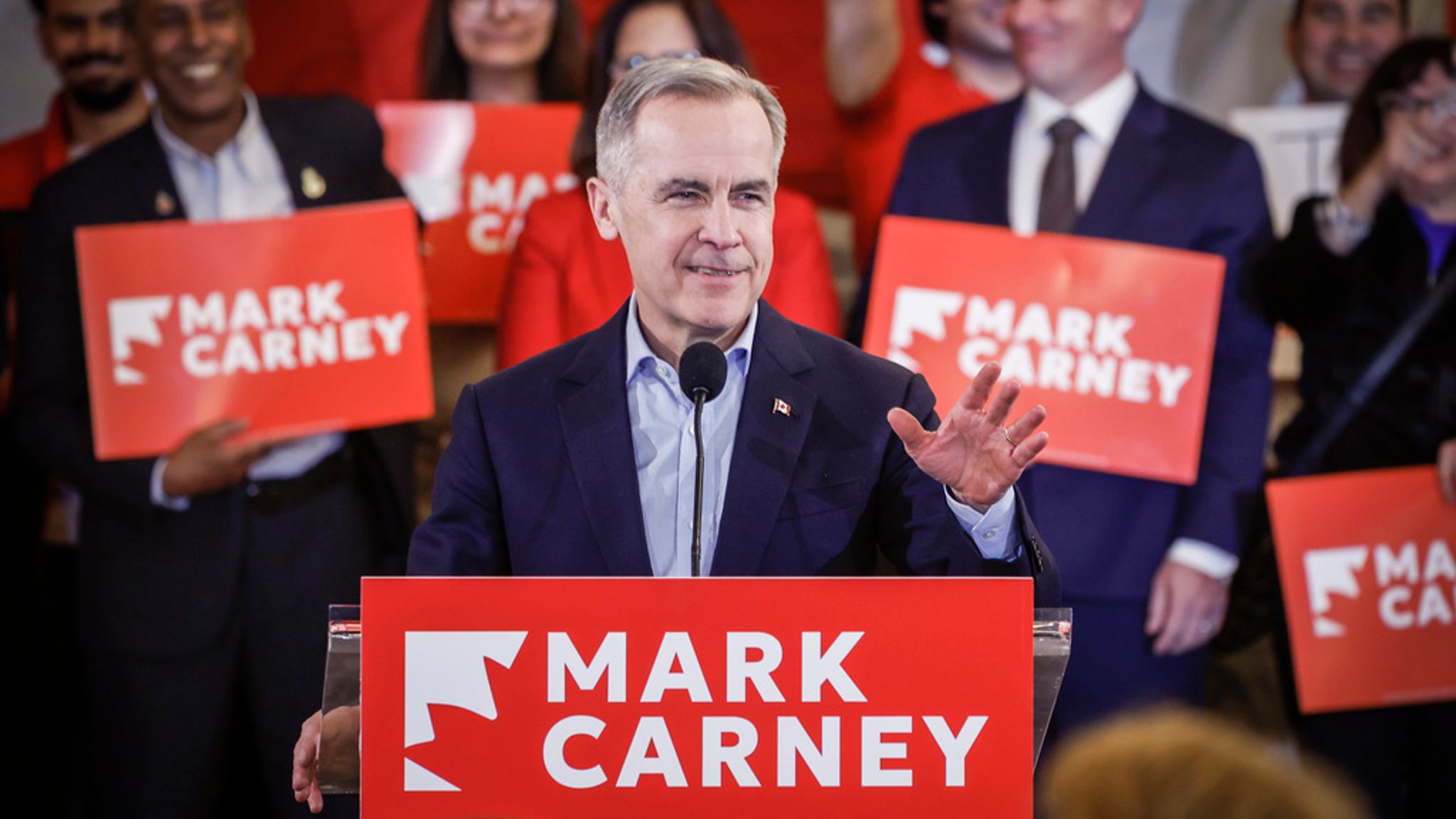
In a decision that stunned defense and diplomatic circles, Canada has rejected a $20 billion U.S. proposal to build its next generation of submarines through American shipyards. The move marks a sharp departure from decades of assumed alignment with Washington and signals a deeper shift in how Ottawa views sovereignty, trust, and alliance politics. Under Prime Minister Mark Carney, Canada is choosing control over convenience, even at the risk of friction with its closest ally. The fallout could reshape NATO dynamics and challenge long-held assumptions about American dominance in allied defense procurement.

For decades, the unspoken rule of North American defense was simple: when Washington offered, Ottawa accepted.
That rule no longer holds.
Canada’s decision to walk away from a $20 billion U.S. submarine construction proposal has sent ripples through Washington, exposing a growing discomfort among American policymakers about the limits of their influence — even over their most reliable allies.
At face value, the rejection appears technical: Canada declined to route submarine construction through U.S. shipyards. But the deeper story is political and strategic. Ottawa’s move reflects a calculated reassessment of dependency, trust, and long-term risk in an increasingly unstable world.
Canada’s submarine problem has been years in the making. The Royal Canadian Navy currently relies on the Victoria-class submarines — aging, secondhand vessels acquired as a stopgap solution. Over time, those submarines have become symbols of delay, maintenance overruns, and limited availability. The fleet’s reliability has steadily declined, raising concerns about Canada’s ability to defend its interests, particularly in the Arctic.
And the Arctic has changed.
Melting ice has opened new shipping lanes, increased foreign naval activity, and elevated surveillance demands. What was once a remote frontier is now a strategic theater. NATO allies, particularly the United States, have quietly pressed Canada to modernize its undersea capabilities to match the region’s growing importance.
Washington’s solution seemed straightforward: build the submarines in U.S. shipyards, leveraging existing capacity and reinforcing bilateral defense ties. From the American perspective, it was cooperation.
From Canada’s perspective, it was exposure.

Under Mark Carney’s leadership, Ottawa viewed the proposal through a different lens — one shaped by risk management rather than alliance tradition. Tying Canada’s most critical naval asset to U.S. production timelines, labor dynamics, export controls, and shifting political priorities introduced vulnerabilities that could not be ignored.
In an era when U.S. policy can swing dramatically with elections, relying on American supply chains for core defense capabilities began to look less like partnership — and more like strategic risk.
Canada’s refusal was not meant as a public rebuke. There were no fiery speeches, no accusations of bad faith. Instead, the decision was quiet, deliberate, and deeply consequential.
Ottawa has now begun exploring alternative suppliers, including European and Asian shipbuilders such as Hanwa Ocean and ThyssenKrupp Marine Systems. These options offer something Washington could not guarantee: meaningful technology transfer, domestic industrial participation, and greater long-term control.
For Canada, this is not just about submarines. It is about rebuilding national defense capacity.
By prioritizing domestic assembly, maintenance, and skills development, Canada aims to ensure that jobs, expertise, and decision-making authority remain at home. The goal is resilience — the ability to sustain and upgrade critical systems without waiting on foreign approvals or navigating geopolitical bottlenecks.
In Washington, the reaction has been uneasy.
Some analysts have framed the move as a sign of waning loyalty. Others see it as a warning. If Canada — historically the most predictable U.S. defense partner — is willing to reject American shipyards, what does that signal to other NATO members quietly reassessing their own dependencies?
That question cuts to the heart of American defense influence.
For decades, U.S. military exports have done more than equip allies. They have embedded them in American-controlled ecosystems of logistics, software, and supply chains. That integration has been a powerful source of leverage. Canada’s decision suggests that leverage is no longer unquestioned.
There are risks, and Ottawa does not deny them. Diversifying suppliers complicates logistics. It introduces interoperability challenges within NATO. Coordination becomes harder when systems come from different industrial bases.
But Canada’s calculation is clear: dependence carries risks too — especially when political volatility becomes a strategic variable.
The true test of this new approach will come in the mid-2030s. Delivering modern submarines on time and on budget will be essential to validating the strategy. Failure would invite criticism and potentially vindicate skeptics who argue that alignment with U.S. industry remains the safest path.
Success, however, would carry global implications.
It would demonstrate that alliance members can pursue sovereignty without abandoning cooperation. That security does not require submission. And that resilience, not convenience, may define the next era of defense planning.
Canada’s decision does not weaken NATO — but it does redefine partnership.
In a world where power is shifting and trust is no longer automatic, Ottawa has made a choice that many countries are contemplating but few have executed: saying no to America, not out of defiance, but out of strategy.
And that may be the most unsettling signal of all.