On this day in 1976, Bob Dylan wasn’t just climbing the charts—he was shaking the foundations of the American justice system. While protest songs had long been part of Dylan’s DNA, one track in particular proved that music could do more than spark debate. It could help save a life.
That song was “Hurricane.”

Released in late 1975 and peaking on the charts in early 1976, Hurricane told the explosive true story of Rubin “Hurricane” Carter, a middleweight boxer who had been wrongfully convicted of a triple murder in New Jersey and sentenced to two consecutive life terms. Dylan didn’t soften the story. He didn’t hide behind metaphor. Instead, he named names, laid out contradictions, and accused the system itself of injustice.
From the opening violin strains to Dylan’s rapid-fire verses, Hurricane felt less like a song and more like a courtroom indictment set to music. It detailed Carter’s arrest, the questionable witnesses, and the racial bias surrounding the case—bringing national attention to a story many Americans had never heard.
The impact was immediate.
As the song climbed the charts, public pressure intensified. Dylan and fellow musician Joan Baez organized benefit concerts, drawing massive crowds and media attention. Carter’s case, once buried in legal paperwork, was suddenly front-page news. The music world had collided head-on with the justice system.
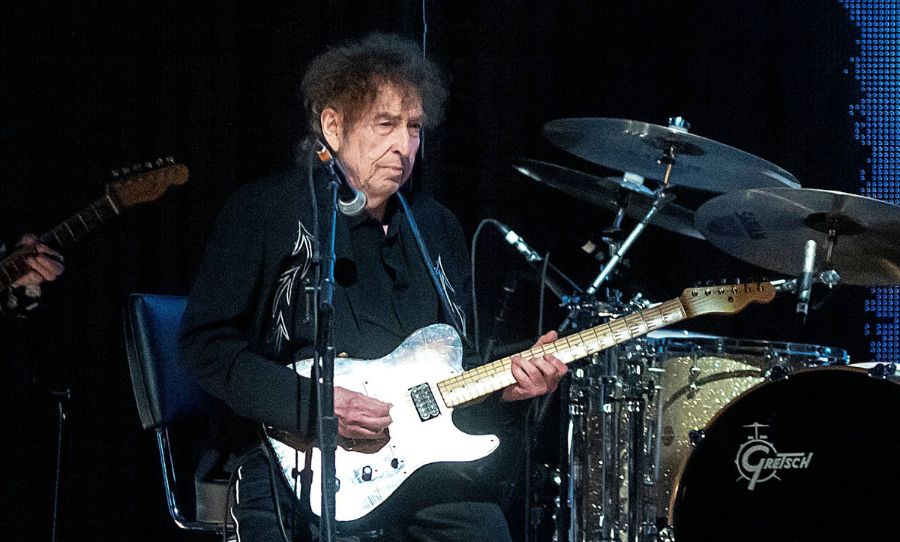
Critics were divided. Some praised Dylan’s courage. Others accused him of oversimplifying a complex legal case. But for Carter, the song was a lifeline. In his autobiography, Carter later credited Dylan with helping revive his fight for freedom at a moment when hope was nearly gone.
Although Carter would endure years more behind bars, the momentum sparked by Hurricane proved impossible to ignore. In 1985, a federal judge overturned his conviction, ruling that it was based on racial prejudice and prosecutorial misconduct. Carter was finally released after nearly two decades in prison.
For Dylan, the moment reaffirmed his unique power as an artist. Hurricane became one of the rare songs that blurred the line between art and action—proof that a three-minute track could influence public opinion, legal discourse, and real-world outcomes.
Nearly 50 years later, the song still resonates. Not just as a classic from Dylan’s catalog, but as a reminder that music, when wielded with truth and urgency, can challenge authority—and sometimes, help deliver justice.
Because on that chart-climbing day in 1976, Bob Dylan didn’t just make a hit.
He helped change a man’s destiny.