When Billy Joel released 52nd Street in 1978, the album cemented his place as one of America’s most incisive songwriters. Packed with sharp observations about fame, excess, and ambition, it produced several enduring hits. But one of its most iconic tracks, “Big Shot,” carries a backstory few fans ever imagined — it was originally written with Rolling Stones frontman Mick Jagger in mind.
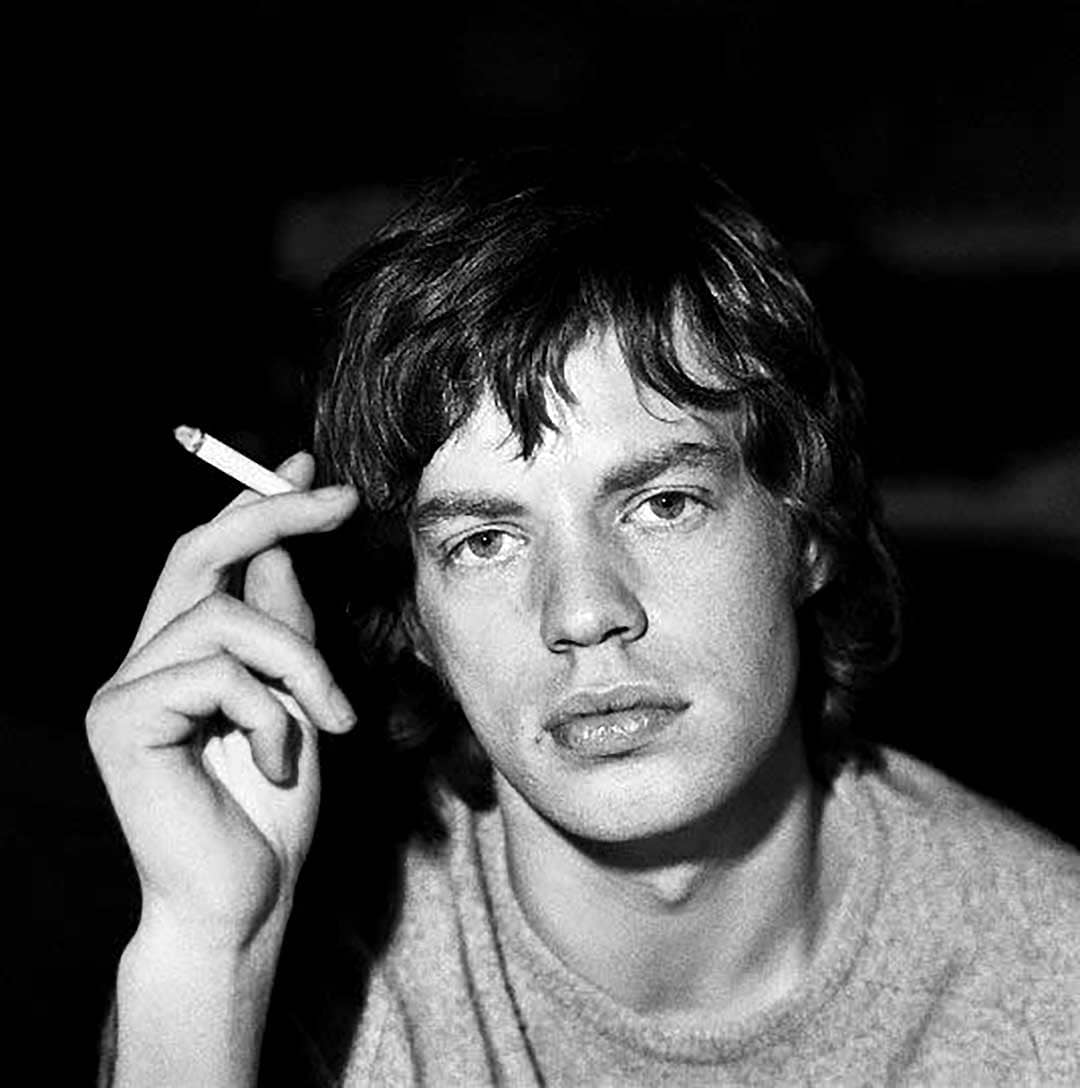
Yes, that Mick Jagger.
At first glance, Big Shot sounds like a classic Billy Joel character study: sarcastic, theatrical, and dripping with attitude. For years, listeners assumed the song was inspired by a failed romance or a personal grudge. But Joel later revealed that the real spark came from a night out in New York’s high-society scene during the late 1970s — and from observing the glamorous, chaotic world surrounding Mick Jagger and his then-wife, Bianca Jagger.
Joel has explained that he never dated Bianca, nor was the song written about her in a literal sense. Instead, he found himself fascinated by the dynamic between rock superstardom and elite social circles. Watching Mick and Bianca move effortlessly through exclusive parties gave Joel the perfect lens through which to explore ego, excess, and the performative nature of fame.
In Joel’s mind, Big Shot wasn’t meant as a confessional. It was satire.
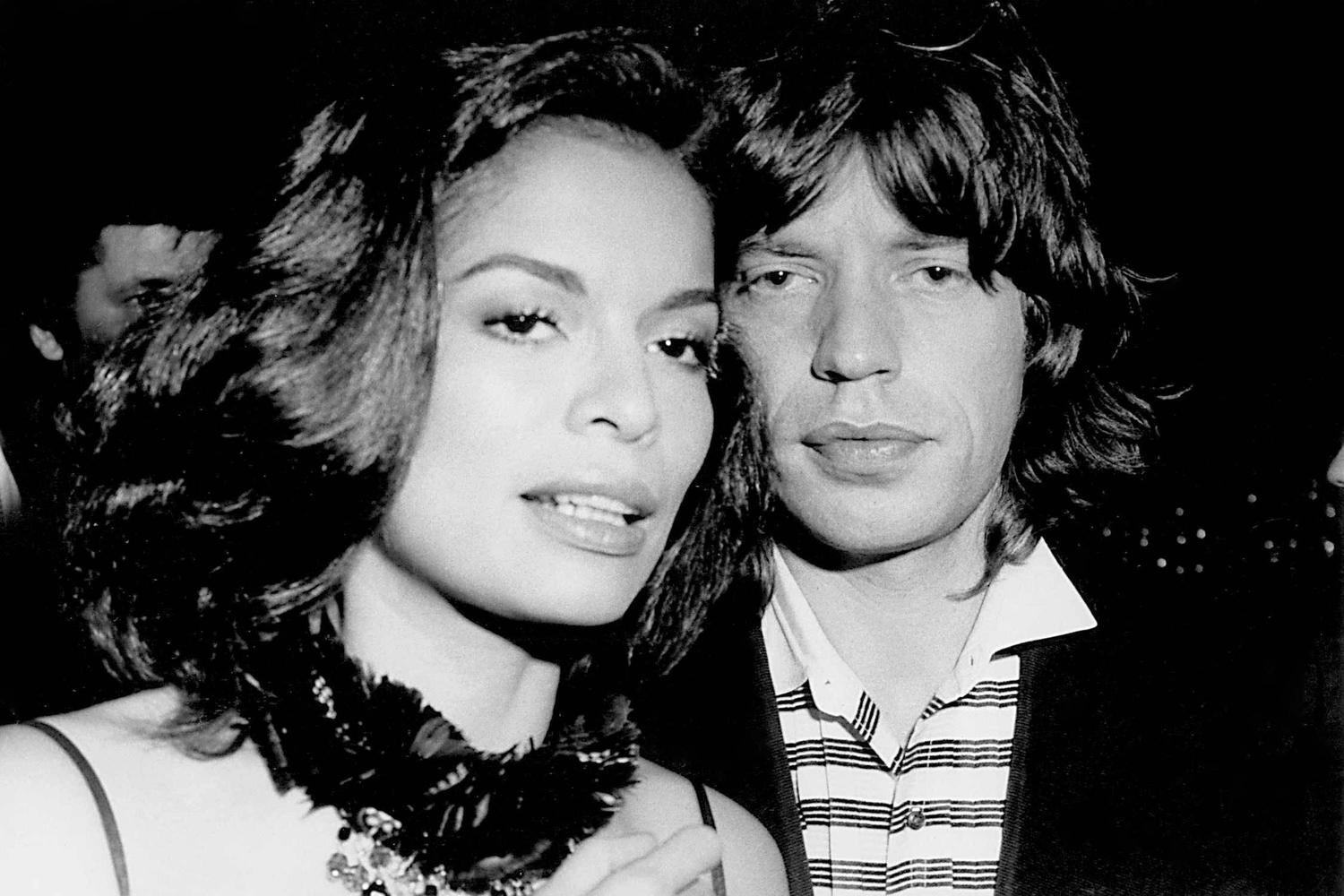
He imagined Mick Jagger delivering the song’s biting lines — a larger-than-life rock god calling out someone intoxicated by status and self-importance. The exaggerated bravado, the mocking tone, the theatrical swagger — all of it suddenly made sense when viewed through the lens of Jagger’s stage persona.
But instead of handing the song off to the Rolling Stones frontman, Joel kept it for himself.
That decision proved pivotal. Released as a single, Big Shot climbed into the Top 20 and became one of Joel’s most recognizable songs. Its sneering chorus and driving piano line made it a staple of his live performances, where Joel leaned fully into the song’s over-the-top attitude.
Listening to Big Shot today, fans can’t help but hear it differently. The song feels less like a personal attack and more like a snapshot of an era — a time when rock stars, socialites, and celebrities blurred together in a haze of nightlife, money, and ego.
It’s also a reminder of how interconnected the music world truly was. Even icons like Billy Joel and Mick Jagger influenced one another in subtle, unexpected ways — sometimes without ever sharing a recording studio.
In the end, Big Shot stands as a rare musical “what if.” What would it have sounded like if Mick Jagger had sung it? We’ll never know. But the fact that Billy Joel channeled that energy — and turned it into one of his defining hits — only adds another layer to the song’s enduring legacy.