Ayana, a young Native woman, fled her devastated reservation, claiming maturity to secure a cook’s job on a Wyoming ranch. Her secret—she’s only 19, not 25—sparked tension until ranch owner Caleb Thorne declared age irrelevant, valuing moments and honesty over years. Their unfolding partnership defies deception and embraces newfound trust.
 In 1876, Ayana’s desperate journey west began under a veil of pretense. Stricken by her tribe’s hardships, she inflated her age to meet Caleb Thorne’s job criteria: a mature, experienced cook of at least 25. At just 19, she feared rejection and returned with a letter promising opportunity but also hidden risks.
The dusty stagecoach rattled into Willow Creek, Wyoming, as Ayana confronted a reality harsher than advertised. Caleb, younger and stern, confronted her slender frame with disappointment. Yet, his concern quickly unfolded into unexpected kindness, offering her rest and understanding rather than scorn. The promise of sustenance and shelter was a fragile lifeline.
Settling into the ranch, Ayana battled shame and hope. Under Mrs. Gunderson’s watchful eye, she learned the rhythms of ranch life and tentatively faced community integration. The arrival of Reverend Parker and his wife introduced social scrutiny, but also unexpected allies, encouraging adaptation beyond survival toward belonging.
As the weeks passed, Ayana’s skill and resolve grew. Caleb noticed her diligent work in the kitchen and aptitude in managing ranch ledgers. Their connection deepened with quiet conversations on the porch and shared appreciation for the land’s raw beauty. Yet the shadow of her secret cast silent doubt.
A crisis struck—her brother Cola’s sudden illness forced Ayana away, fragmenting her fledgling stability. Caleb’s reassuring support during her absence proved pivotal, underscoring his genuine care beyond obligation. But the looming question remained: Would truth fracture or fortify their fragile trust upon her return?
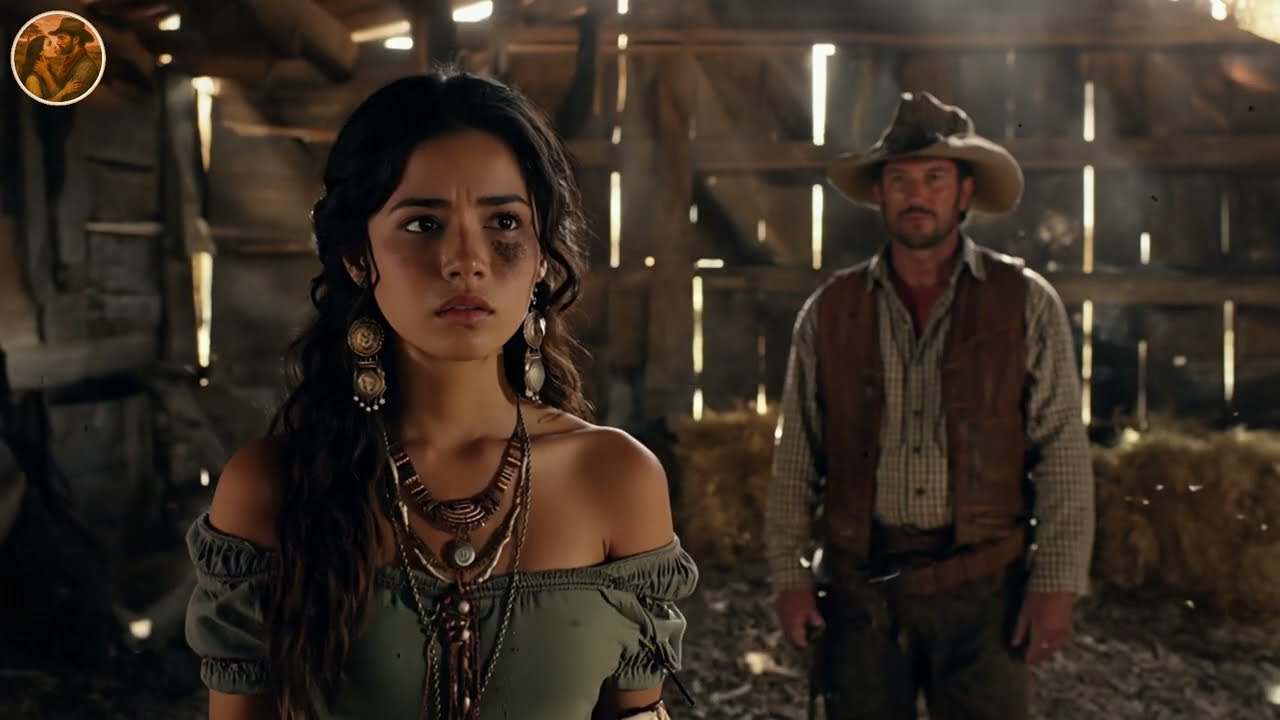
Returning to Willow Creek, Ayana faced Caleb’s steady gaze and found no condemnation. The truth about her youth finally surfaced in the barn’s solitude. Fear dissolved as Caleb revealed his own guarded past and emphasized the importance of honesty over age. His acceptance redefined their bond, transcending initial judgments.
Despite mutual admissions of deception, their growing affection softened the harsh realities of frontier life. Caleb extended patience and understanding, inviting Ayana into a partnership founded on trust, resilience, and shared dreams. Their tentative contract now symbolized hope, not merely employment.
 Caleb’s proposal to teach Ayana horseback riding sparked joy and symbolized freedom. Together, they embraced the land’s challenges and pleasures, breaking free from burdens of past hardships. The ranch transformed from mere shelter into a home where both discovered strength and companionship.
The community warmed to Ayana through sewing circles and church visits, integrating her into the social fabric. Stories of hardship and courage exchanged among frontier women nurtured her confidence. The sewing circle’s gift of a practical yet elegant apron marked her acceptance and solidified her role.
When the contract signing day arrived, Ayana was no longer the girl who lied about her age but a woman embraced fully by Caleb and the town. Their wedding was a heartfelt celebration amid the autumn aspens, symbolizing new beginnings forged from honesty and love despite early uncertainties.
Their first night as husband and wife signified a triumph over fear and deception. Caleb’s gift of the master bedroom and open affection erased past doubts. Ayana’s tears of relief and embrace of their shared future embodied the triumph of moments over years—love’s true measure on the untamed frontier.
This poignant tale underscores the brutal realities faced by Native peoples post-relocation and the courage required to forge new lives. Ayana’s journey from fear and deceit to honesty and acceptance reflects frontier resilience and the transformative power of empathy despite harsh circumstances.
Caleb’s unwavering acceptance and insistence on transparency highlight evolving values in an unforgiving era. By prioritizing character and commitment over age or pretense, their story challenges rigid social expectations, illustrating that trust and love can flourish amid adversity and broken promises.
As the ranch prospers under their joint stewardship, Ayana and Caleb exemplify a partnership that balances tradition and change. Their story offers a compelling narrative of survival, integrity, and love’s ability to bridge cultural divides and mend wounds caused by displacement and loss.
Community support proved essential to Ayana’s integration and ultimate happiness. Through connections forged with Mrs. Gunderson, Reverend Parker, and local women, she overcame isolation. These relationships reveal the frontier’s social complexity—where judgment and kindness coexist, shaping destinies with equal force.
The interplay of personal secrets and public acceptance defines this saga’s tension. Ayana’s initial deception bred fear and guilt, but openness brought healing. Caleb’s responses emphasize that genuine relationships demand courage to confront uncomfortable truths and the grace to forgive human frailty.
Their story also sheds light on frontier gender roles and expectations. Ayana’s role as cook combined domestic skill with financial savvy, challenging stereotypical limitations. Caleb’s respect for her intelligence and willingness to share ranch life reflects shifting dynamics in a rugged environment demanding cooperation.
As autumn fades, the couple’s shared moments, from riding horses to quiet evenings, build a foundation of trust and affection. Their evolving intimacy symbolizes not just personal triumph but the possibility of harmony amid cultural upheaval and the harsh demands of frontier survival.
This narrative cautions against judging individuals by superficial standards like age, reminding readers that resilience and integrity define worth in any era. Ayana’s journey embodies the immigrant and Native experience of forging identity and home amid displacement and uncertainty.
The legacy of loss from forced relocation and disease sets a stark backdrop, heightening the 𝒹𝓇𝒶𝓂𝒶 of Ayana’s struggle. Her courage to seek a new life, despite deception, invites empathy and recognition of the complex choices faced by marginalized peoples seeking dignity and stability.
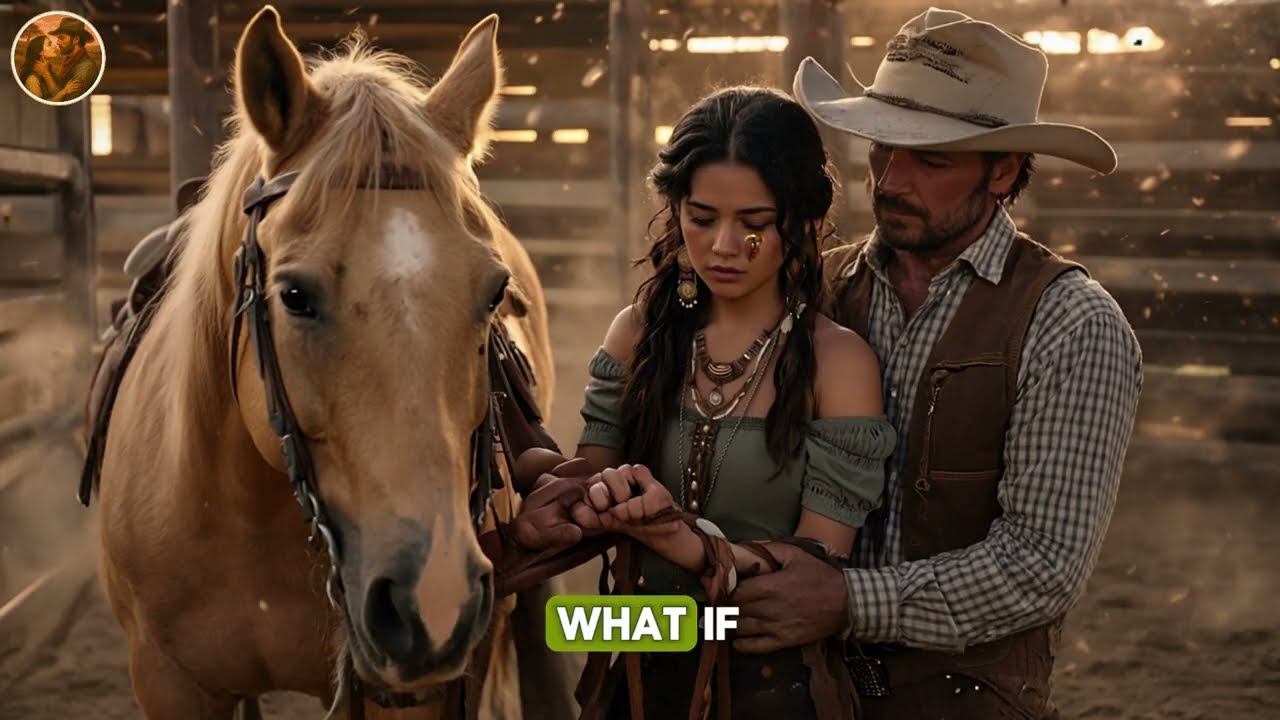 Caleb’s character contrasts with harsh frontier stereotypes; his kindness and patience offer a beacon of hope. Together, they create a microcosm of possibility, proving that amidst brutality and loss, human connection remains the ultimate frontier to be conquered.
This story’s urgency lies in its raw portrayal of survival tethered to vulnerability—the reckoning that acceptance requires truth and that love demands risk. Ayana’s ultimate confession and Caleb’s forgiveness capture this fragile balance with poignant reality and hope.
“Age is just a number,” Caleb states, affirming that moments shared hold far greater weight. Their journey from deception to partnership encapsulates a universal truth: love transcends pretense when rooted in honesty, trust, and mutual respect.
This profound tale is a testament to the human spirit’s capacity for renewal. It dramatizes how personal courage can overcome societal obstacles and how integrity can transform fear into belonging, marking a milestone in frontier narratives and the portrayal of Native women’s experiences.
In a time and place where survival often meant isolation, Ayana and Caleb’s union offers a narrative infused with grace and possibility. It highlights the transformative power of acceptance, the importance of community, and the enduring strength found in choosing honesty over concealment.
Their story invites reflection on the costs of displacement and the resilience required for new beginnings, making it a powerful reminder of the human capacity to heal and thrive against formidable odds and the unpredictable wilderness of both land and heart.
As this tale circulates, it serves not only as a window into 19th-century frontier struggles but also as a contemporary reminder that authenticity and empathy remain vital to forging connections and overcoming barriers in any age or culture.