For centuries, the Shroud of Turin has stood at the center of one of history’s most enduring mysteries. Revered by millions as the burial cloth of Jesus Christ and dismissed by others as an elaborate medieval artifact, the linen shroud has been examined, tested, and debated more than almost any religious relic on Earth. Now, artificial intelligence is forcing the conversation into unsettling new territory.
In a groundbreaking series of studies, researchers have applied advanced AI algorithms to ultra-high-resolution images of the Shroud, analyzing the cloth at levels far beyond human perception. What they found has stunned both scientists and historians: hidden patterns and structural relationships that defy traditional explanations.
The Shroud—a 14-foot-long linen cloth—bears the faint yet haunting image of a man marked by wounds consistent with Roman crucifixion. There is no pigment, no brushstroke, no evidence of paint or dye. Despite decades of chemical analysis, forensic testing, and microscopic examination, no one has been able to explain how the image formed.
In 1988, carbon dating suggested the Shroud originated in the Middle Ages, a result that many hailed as definitive. But critics quickly pointed out flaws in the test, arguing that samples were taken from a repaired edge contaminated by later materials. That controversy never faded—and now AI is adding new fuel to the fire.
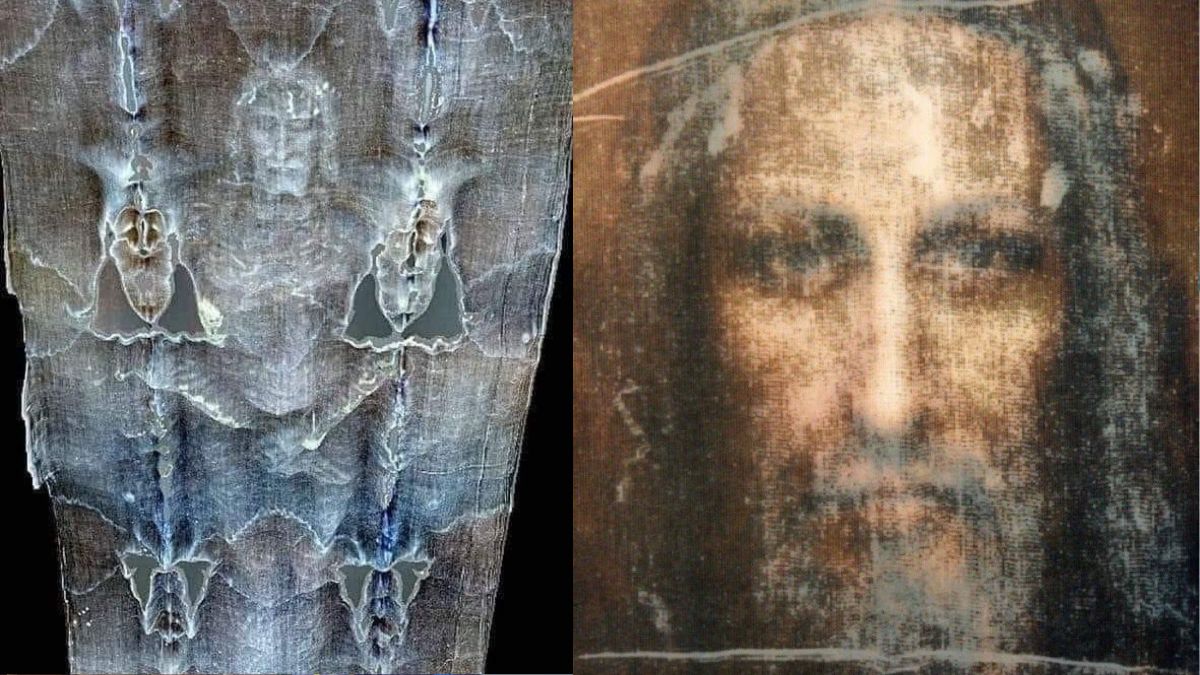
By mapping image intensity and correlating it with spatial data, AI models detected something extraordinary: the image appears to encode depth information, with shading that corresponds to the distance between the cloth and a human body. In other words, the Shroud behaves less like a work of art and more like a physical imprint—almost as if the image emerged from a brief, intense event rather than a deliberate human act.
Researchers are careful to avoid theological claims, but they acknowledge the implications are difficult to ignore. The AI analysis suggests the image is not simply on the cloth, but intrinsically linked to the linen fibers themselves in ways modern science cannot easily replicate.
Skeptics urge restraint, warning that AI can reveal patterns where none exist. Still, even critics concede that these findings raise serious questions about long-standing assumptions.
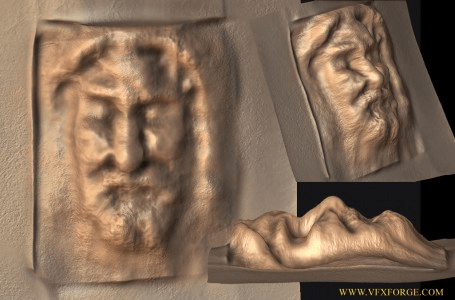
If the image is not painted, burned, or stamped, then how did it form?
The Vatican has remained silent on the latest developments, likely aware of the theological and cultural shockwaves such revelations could trigger. Meanwhile, the scientific community is buzzing, as AI opens new pathways to examine artifacts once thought fully explored.
One thing is certain: the Shroud of Turin refuses to be laid to rest. With artificial intelligence now peering into its fibers, this ancient cloth may yet force the modern world to confront mysteries it thought science had already settled.