By 1970, Bob Dylan had already changed the course of modern music. His lyrics had fueled protest movements, reshaped songwriting, and challenged the idea of what popular music could say. Yet that same year, Dylan found himself in a setting far removed from concert halls and controversy: a university ceremony honoring him not as a rebel, but as an artist worthy of academic recognition.
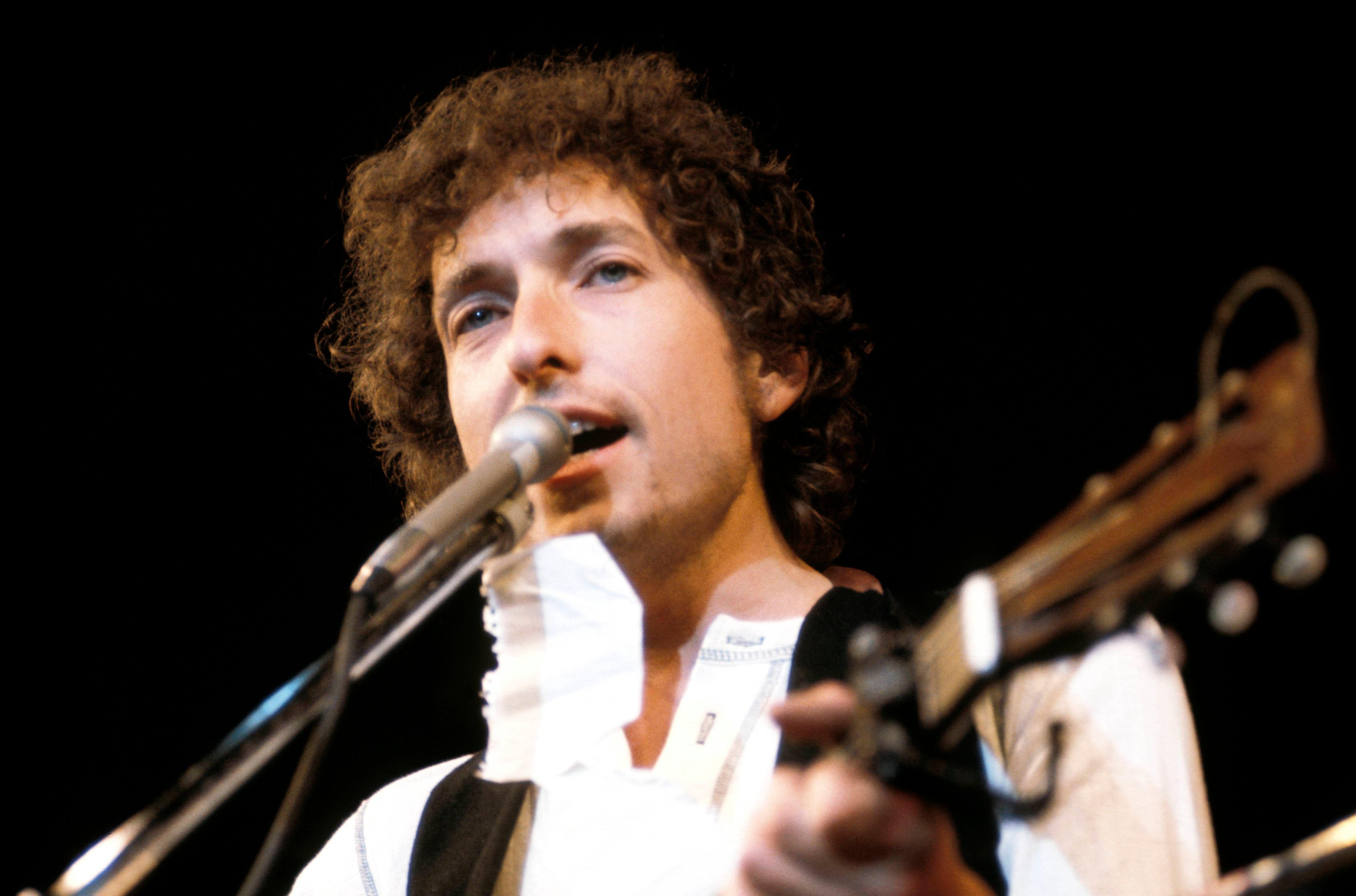
The moment came when Dylan was awarded an honorary degree, an unusual gesture for a musician who had spent much of the 1960s resisting labels, institutions, and expectations. For Dylan, academia and counterculture rarely shared the same room. And yet, there he was—recognized not for hit records, but for cultural impact.
What made the occasion truly unforgettable, however, was what Dylan did next.
Rather than delivering a standard speech or polite thank-you, Dylan did what he has always done best: he transformed the moment into music. Instead of separating the honor from his art, he absorbed it—eventually turning the experience into a song that reflected both the strangeness and irony of the event.
The song wasn’t celebratory in a traditional sense. It carried Dylan’s trademark ambiguity, gently poking at the idea of institutional praise while acknowledging the weight of recognition. It didn’t sound like a victory lap. It sounded like an artist processing something unexpected: acceptance from a world he never quite trusted.
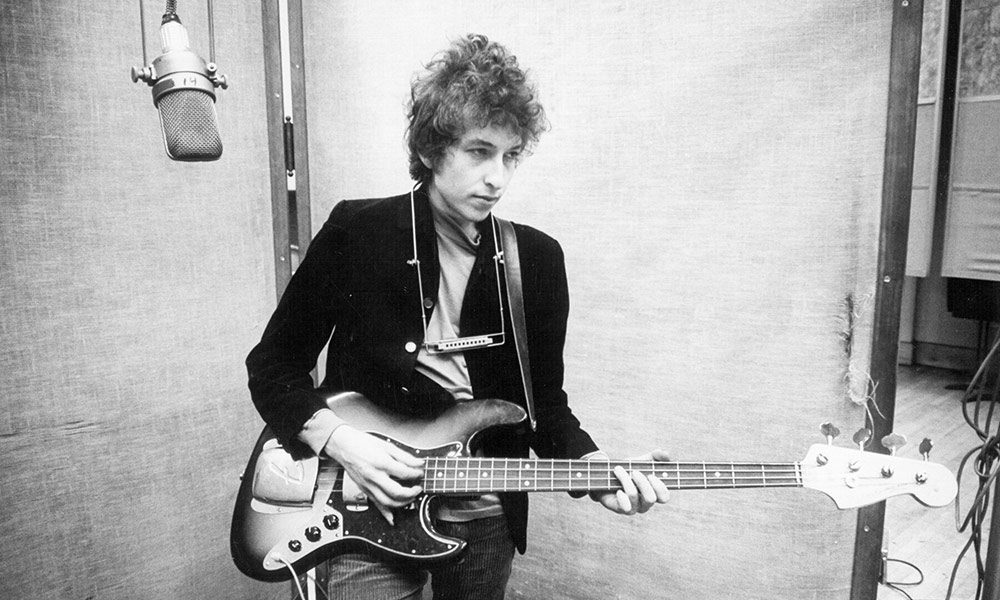
At the time, Dylan was in a transitional phase. The explosive, confrontational figure of the mid-’60s had retreated. In his place was a more private, reflective songwriter—one who had survived backlash, fame, and near-mythic expectations. The honorary degree symbolized a shift in how the world saw him: not just a folk singer or provocateur, but a cultural figure worthy of formal respect.
Yet Dylan never allowed the honor to define him. The song that emerged from the experience made that clear. It wasn’t about gratitude or prestige. It was about observation—about how strange it feels when the establishment finally nods in approval after years of resistance.
Looking back, the moment stands as a perfect Dylan paradox. A man who spent his career avoiding crowns was handed one—and quietly turned it into art instead of accepting it at face value.
Today, the story resonates because it captures something essential about Bob Dylan. Even when honored, he remained elusive. Even when celebrated, he questioned the celebration. And even when given a degree, he responded not with words—but with a song.
In Dylan’s world, recognition was never the point. Expression was. And once again, he proved that music—not medals—was the only language he truly trusted.