Rapper Cormega has publicly pushed back against comments made by NBA super agent Rich Paul, igniting a heated debate that has spilled from sports into hip hop culture and the history of sneaker influence.
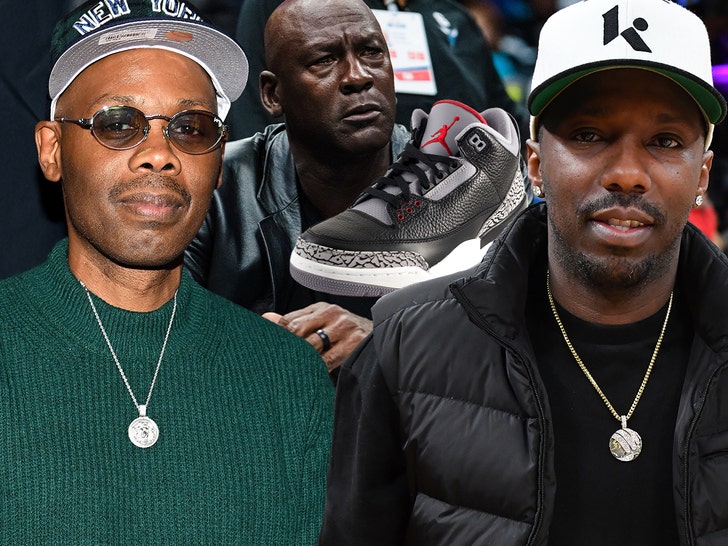
The dispute began after Paul shared his view on the rise of Air Jordans, suggesting that the iconic sneakers became a global phenomenon not solely because of Michael Jordan’s dominance on the basketball court, but because of the lifestyle image surrounding the brand. According to Paul’s perspective, cultural tastemakers and everyday consumers helped elevate the shoes beyond performance gear into symbols of status and identity.

In a sharp response, the veteran rapper argued that separating Air Jordans from Michael Jordan’s greatness misunderstands the foundation of the brand entirely. He emphasized that Jordan’s legendary performances, competitive intensity, and global stardom were the driving force behind the sneaker’s cultural power long before lifestyle marketing entered the picture.
Cormega pointed out that Jordan was already a national phenomenon during his college years and quickly became a once-in-a-generation figure in the NBA. In his view, the cultural wave followed the athlete, not the other way around. Without Jordan’s dominance, he argued, there would have been no sneaker movement powerful enough to influence fashion, music, and youth culture worldwide.
The exchange quickly gained traction online, with fans and commentators weighing in from both sides. Supporters of Cormega praised his defense of Jordan’s legacy, calling it a reminder of how excellence on the court shaped entire industries. Others echoed Rich Paul’s argument, noting that sneaker culture has evolved into something driven by branding, celebrity endorsement, and lifestyle appeal beyond sports performance.
The debate has also reopened long-standing conversations about the intersection of hip hop, basketball, and commercial influence. For decades, Air Jordans have symbolized more than athletic success, becoming deeply embedded in street culture, music, and identity. Disagreements over how that influence was built reflect broader shifts in how culture is created and who gets credit for shaping it.
Industry observers note that this clash highlights a generational divide in how success and influence are defined. While earlier eras emphasized individual greatness as the catalyst for cultural movements, modern narratives often focus on networks, branding, and collective influence.
What started as a commentary on sneakers has now evolved into a wider discussion about authenticity, legacy, and cultural ownership. As voices from both hip hop and sports continue to weigh in, the conversation shows no sign of slowing down.
For many, the argument is less about shoes and more about respect — respect for history, for icons, and for the moments that changed culture forever.