On this day in 1978, Waylon Jennings and Willie Nelson released an album that would go on to define an era of outlaw country music — but astonishingly, it nearly never saw the light of day. The project, Waylon & Willie, stood at the crossroads of artistic freedom and industry pressure, and according to music lore, everything hinged on one opening track that changed minds and saved the record.

By the late 1970s, both Jennings and Nelson were already icons, but they weren’t always easy to manage from a record label’s perspective. Their sound rejected Nashville polish in favor of grit, independence, and hard-earned authenticity. That attitude made them heroes to fans — and headaches to executives.
When Waylon & Willie was taking shape, tensions behind the scenes were high. The album was raw, unapologetic, and leaned fully into the outlaw ethos. There were real concerns that it didn’t have a clear commercial hook — that it might be too rough, too unconventional, or simply too risky to release.

Then came the opening track: “Mammas Don’t Let Your Babies Grow Up to Be Cowboys.”
The song changed everything.
Originally written by Ed and Patsy Bruce, the track was reimagined by Waylon and Willie as a reflective, bittersweet anthem that captured the loneliness, freedom, and emotional cost of the cowboy life. Its harmonies felt effortless, its message universal. Suddenly, the album had an anchor — a song so strong it made the rest impossible to ignore.
The gamble paid off in historic fashion. Waylon & Willie became a massive success, reaching No. 1 on the country charts and cementing the duo as the faces of outlaw country. “Mammas Don’t Let Your Babies Grow Up to Be Cowboys” won a Grammy and became one of the most enduring songs in American music history, crossing genre lines and generations.
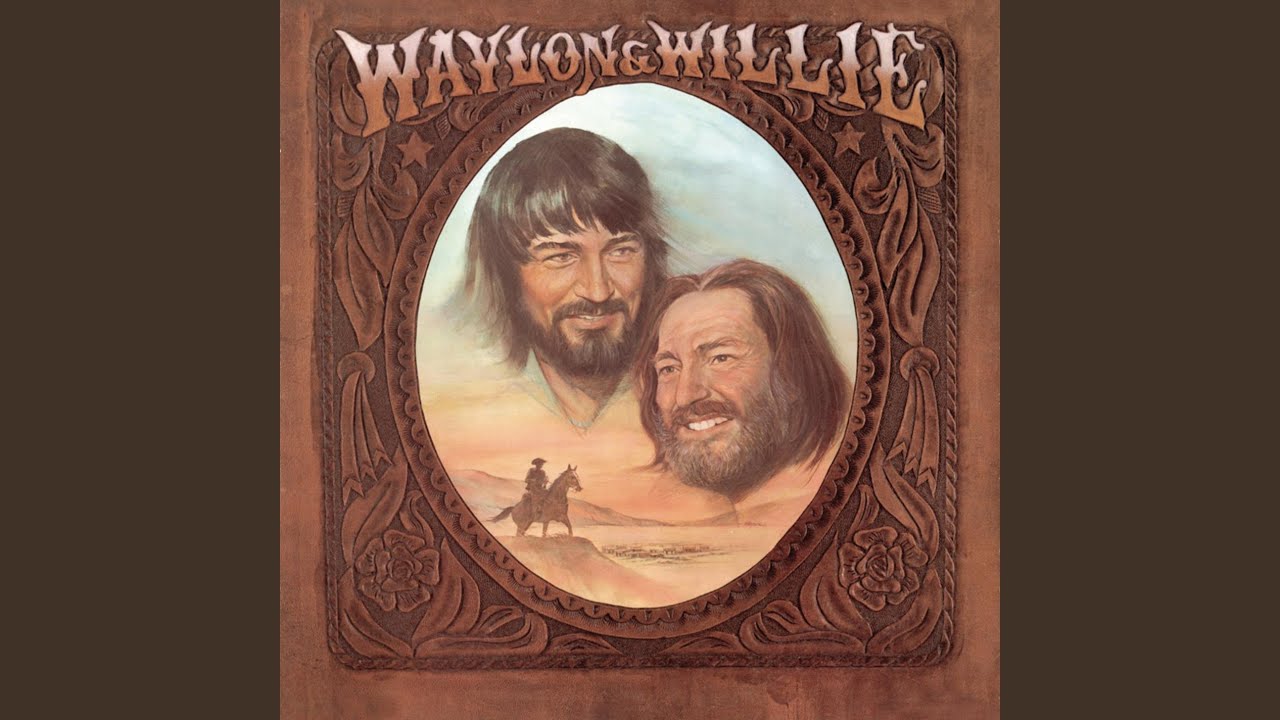
More than a hit, the album represented a shift in power. It proved that artists could trust their instincts, resist overproduction, and still connect deeply with audiences. Waylon and Willie weren’t chasing trends — they were defining them.
Listening back today, Waylon & Willie feels timeless. But knowing how close it came to being shelved adds a new layer of meaning. One song didn’t just open the album — it opened the door for its release, its legacy, and a movement that reshaped country music forever.
Sometimes, history turns on a single track. In 1978, that track helped two outlaws make music history.