Title: Anthony Davis: A Star Shining Brightly Yet Ignored by NBA Teams
 As the NBA trade deadline approaches this January, Anthony Davis remains a captivating figure, drawing attention from teams across the league. However, despite his superstar status, many franchises hesitate to pursue the talented big man. The reasons behind this reluctance are complex and multifaceted.
Davis, when healthy, is a dual-threat player that any NBA team would covet. He has the unique ability to score while also dominating defensively, making him a valuable asset on the court. His accolades speak volumes: an NBA champion, multiple All-Star selections, and a reputation as one of the best two-way players of his generation. Yet, the question remains—why do teams shy away from acquiring him?
Injuries have plagued Davis throughout his career, diminishing his availability and raising concerns among potential suitors. Since being traded to the Dallas Mavericks in a blockbuster deal last February, he has only suited up for 28 games in a year, primarily due to health issues. This inconsistency has not only affected his performance but also the overall morale and strategy of the teams he plays for.
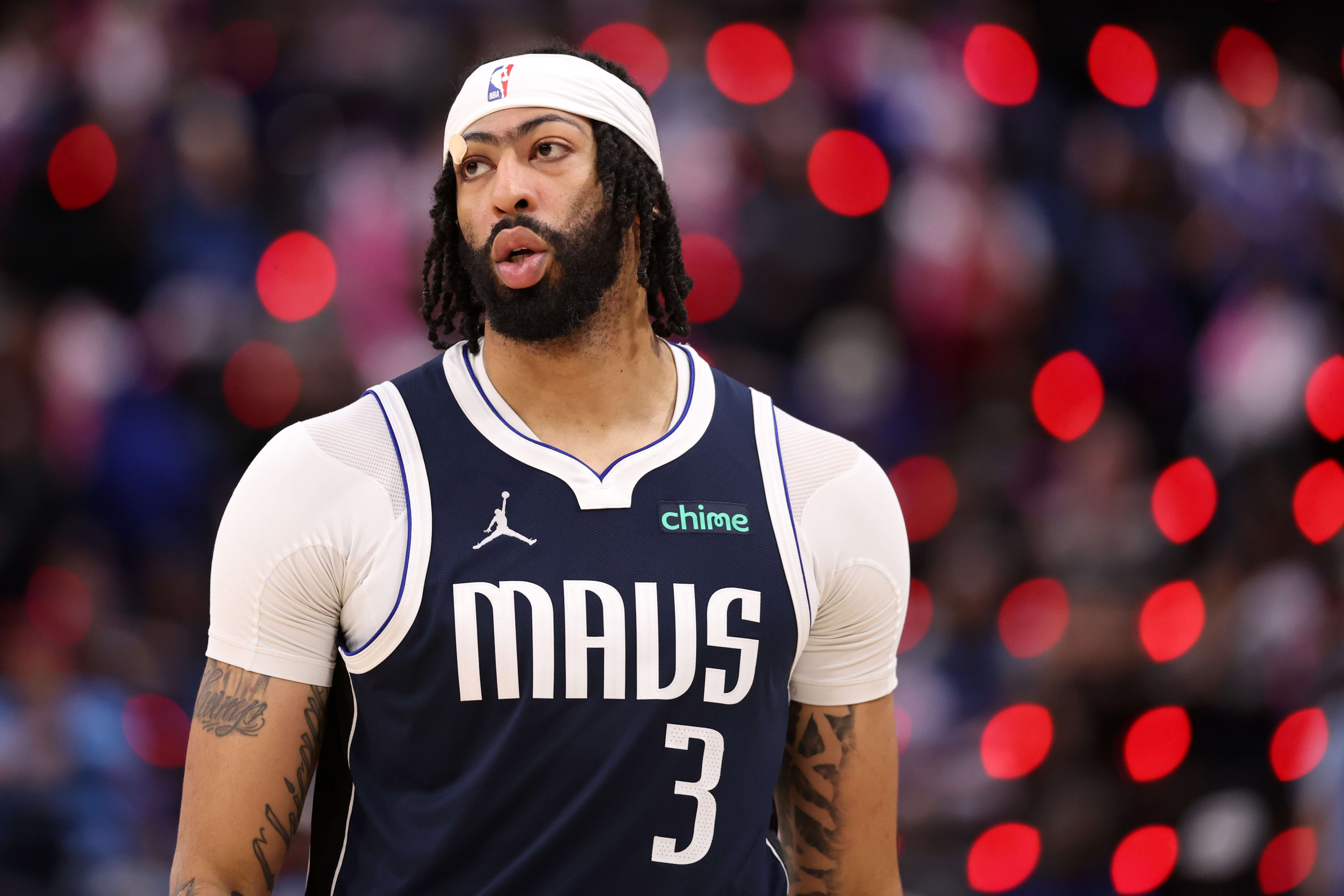
The financial implications of acquiring Davis are equally daunting. With a contract worth $121.2 million over two years, his $54.1 million salary this season accounts for approximately 35% of a team’s total salary cap. This hefty price tag poses a risk, particularly when considering his frequent absences. Teams are wary of investing significant resources in a player who may not contribute consistently.
Age is another factor complicating the situation. Davis will turn 33 in March 2026, and as a big man dependent on athleticism, his physical capabilities are expected to decline. Teams must weigh the benefits of acquiring a star against the potential pitfalls of investing in an aging player with a history of injuries.
For franchises in rebuilding phases, the risk of trading for Davis is even more pronounced. Investing in a player who may not be available for half the season could derail long-term development plans. Conversely, teams in win-now situations might find Davis appealing, but his injury history raises the stakes of any playoff run significantly.
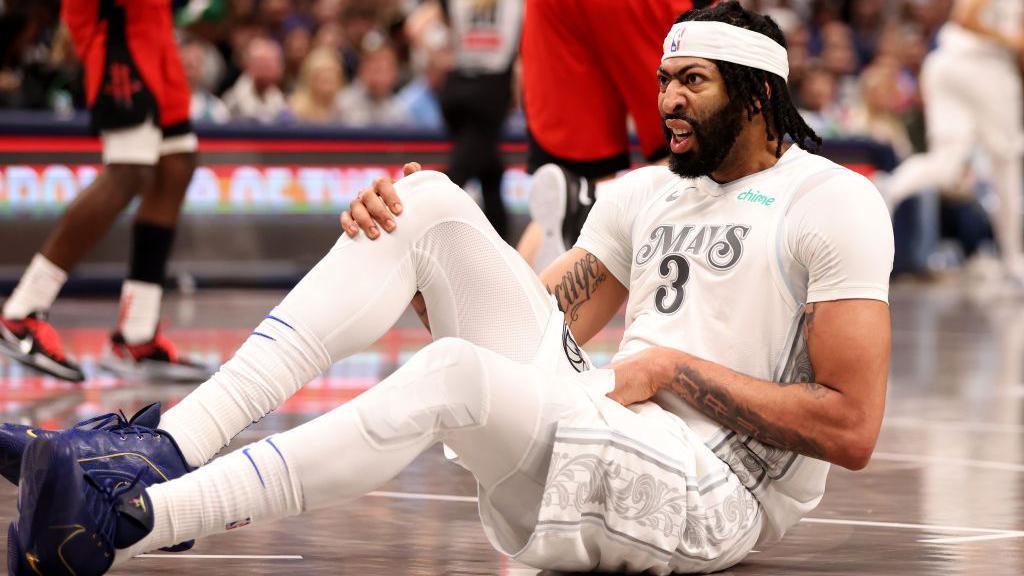
In essence, Anthony Davis stands at a crossroads. While he possesses the talent to elevate any team, the associated risks make him a complicated acquisition. Teams must carefully consider whether the potential rewards outweigh the uncertainties.
Interestingly, some franchises may still pursue Davis not for immediate success but for the publicity he brings. His presence can fill arenas and generate buzz, even if his on-court contributions are sporadic. For these teams, the allure of Davis transcends traditional metrics of success.
Ultimately, the lesson for NBA teams is clear: not every superstar is a guaranteed solution to their problems. Anthony Davis embodies the duality of being both a coveted star and a cautionary tale. As the trade deadline looms, franchises must navigate the complexities of risk management while contemplating the potential of acquiring a player who is as enigmatic as he is talented.